A prevention rather than cure approach to pest control is one of the most effective ways to protect museum collections from pest-related damage.
Early identification of pest activity is vital to prevent infestations becoming established – it is significantly faster, safer and more cost-effective to deal with a minor pest issue than to control a major infestation.
This guide examines common pests found in museums, the risks they pose, and how to prevent an infestation from spiralling out of control.
Woolly Bears
The larvae of the carpet beetle – or the woolly bear – is now considered Britain’s major textile pest.
Risks:
- These pests can cause significant damage to soft furnishings, carpets, clothes and accessories.
- Woolly bears feed on feathers, fur, hair or wool, leaving well-defined holes along the seams of fabric where they bite through the thread.
Advertisement
Actions:
- Adult carpet beetles feed on pollen and nectar, but will lay eggs in old birds’ nests, felt, fabric or accumulated fluff indoors in April, May and June – museums should clear potential egg-laying sites and clean thoroughly.
- The first sign of an infestation is often the discarded moults of the larvae, which cast off skin as they grow. If you spot this, you need to take action immediately.
- An insecticide is needed to deal with woolly bears, and museums should consider working with a professional pest control company to ensure safe and compliant use of insecticides.
Clothes moths
The common clothes moth is currently the most widespread textile pest worldwide.
Risks:
- The clothes moths can cause enormous amounts of damage animal-deprived fabrics such as wool, fur, hides and feather products, as well as natural fabrics like cashmere and silk.
- The damage is done by the larvae of moths, which feed on fabrics and cause the loss of irreplaceable material.
Advertisement
Actions:
- Look for damage or holes to fabrics, particularly wool, cashmere and silk. You may also spot moth eggs or larvae on clothing and tubular case trails on clothes.
- Keep storage cupboards well ventilated, brush items made of wool or fur before storing and frequently vacuum clean carpets and rugs.
- Fabric items going into long-term storage should be placed in airtight containers or plastic garment bags.
- If an item has become infested, it may be possible to rescue it by placing in a plastic bag in a freezer at -18 °C for at least two weeks.
- A professional pest management company can be needed in the event of an infestation, to ensure correct identification of the moth species and appropriate treatment.
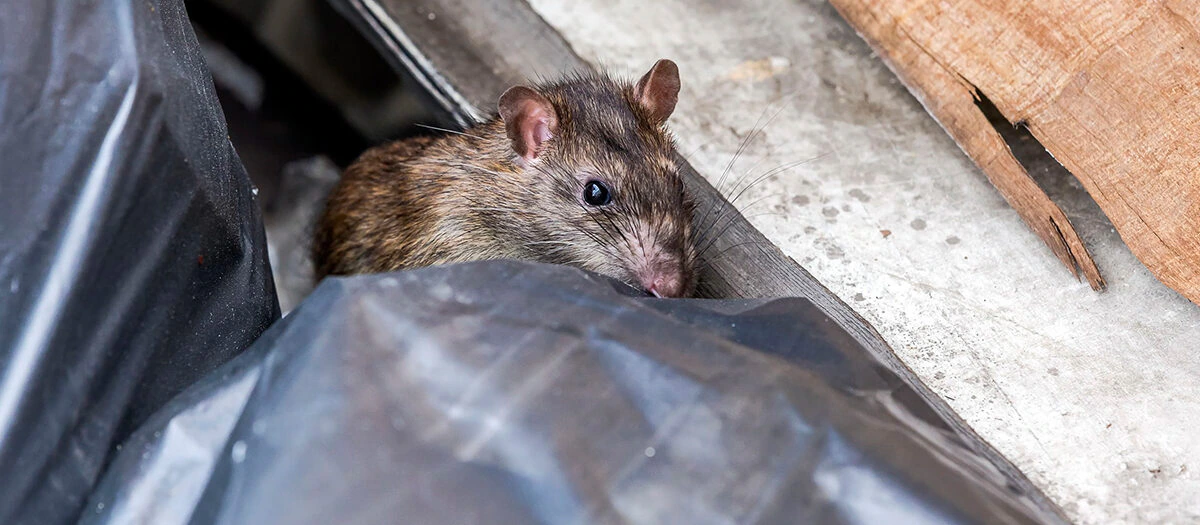
Rats and mice
Both rats and mice are a public health pest and have rapid breeding cycles – which means a nesting pair can result in a significant infestation within a few months.
Risks:
- Rats mark their territory by urinating wherever they go and carry diseases which can spread to humans including leptospirosis, salmonella, listeria, toxoplasma gondii and hantavirus.
- Likewise, mice can spread diseases including salmonella and listeria through their urine, droppings and bedding.
- Both rats and mice need to gnaw to maintain their teeth – electrical cables, woodwork and pipes can be seriously damaged by gnawing. Instances of electrical fires and indoor floods have been attributed to rat and mouse activity.
Advertisement
Actions:
- Deter rats and mice by professional proofing. Maintenance such as plugging gaps around windows or cables can help prevent them accessing building.
- General housekeeping is essential. Keep bin lids tightly closed and ensure food and food waste is inaccessible to rodents.
- Check appropriate legislation. Property and landowners have a legal obligation to keep premises rodent-free (Prevention of Damage by Pests Act 1949), as do food businesses (Food Safety Act 1990).
Protected species
Various laws – covering each country in the UK – provide protections for wildlife.
Risks:
- DIY pest control can result in breaking the law and potential prosecution.
- Untrained use of pest control products can cause harm to non-target species including protected wildlife, pets and people.
Action:
- You must comply with legal frameworks for protected species. You will also need to consider how other protected species such as bats are not impacted if management of a pest infestation is needed within the same building.
- Check for appropriate licenses for tasks such as bird control – all wild birds, their nests and eggs are protected under the Wildlife and Countryside Act 1981.
Niall Gallagher is technical manager at the British Pest Control Association. BPCA member businesses are endorsed by the government via the TrustMark quality scheme as they must carry the correct insurances and are trained and qualified technicians who are assessed to the British Standard in pest management EN 16636 and follow BPCA’s Codes of Best Practice.