Tuesday 7 October

08:15 – 09:30

Coaches to St Fagans

The Museums Association is working with Mainline Coaches to provide transport for delegates from Cardiff city centre to St Fagans. 10 coaches will depart from National Museum Cardiff and five coaches will depart from Cardiff Central Station during this time.

All coaches will depart when they reach capacity. Delegates are asked to be patient while people board/exit coaches.

Four of the coaches are subject to Public Service Vehicles Accessibility Regulations, which means they have space for a wheelchair user.

The pick-up and drop-off point at Cardiff Central Station is the rear car park.

In-person only

More info on coaches

09:00 – 10:00

Coffee and networking

Meet other delegates and our conference supporter companies, relax with a tea or coffee and get to know the site at St Fagans.

In-person only Marquee

Relaxed networking

Conference can sometimes be daunting, so everyone is invited to come and meet fellow delegates at our fun and relaxed networking space. Led by queer heritage professionals Margaret Middleton, Sacha Coward and Pierrette Squires, this area will give you the chance to chat with others as you discuss a key topic or undertake a fun challenge together. This is also a place to sit and discuss topics in your own time between sessions.

In-person only Cafe

10:00 – 16:00

The Story Shell: a space to reflect, explore and get creative

The Story Shell – a giant air-filled seashell created by international artists Suzie Devey and Steve Messam for Barnsley Libraries – is travelling to MA Conference 2025. Delegates are invited to step inside to take some time away from the buzz of sessions, listen to an audio story or spend some time sketching. Staff from Barnsley Libraries will be on hand to support delegates’ interactions and run creative workshops around the installation. 

In-person only

10:00 – 11:00

Core session | Introduction: O’Molemo Thamae, conference host

This year’s conference host is O’Molemo, an activist and digital creator whose focus on equality has led to partnerships with organisations such as the Sub-Sahara Advisory Panel and Amgueddfa Cymru – Museum Wales.

He has worked on several projects within the museum sector, particularly those with a focus on social equity and decolonisation. This work spans roles ranging from project team member to filmmaker and curator.

All attendees welcome Atrium

Speakers

O’Molemo Thamae

O’Molemo Thamae

Activist and digital creator

Core session | Welcome: Jack Sargeant, Minister for Culture, Skills and Social Partnership

In 2018, aged 23, Jack Sargeant became the youngest ever member of the Senedd, representing the constituency Alyn and Deeside. Born and bred in Connah’s Quay, Jack’s politics are shaped by his community and experience serving an apprenticeship in manufacturing before completing a degree at Glyndŵr University, Wrexham and working as a development engineer in Deeside, specialising in problem solving in manufacturing processes.

Jack is a passionate advocate for mental health and a champion for Welsh manufacturing and engineering as well as sport and social housing. Re-elected to the Sixth Senedd in May 2021, and up to his appointment to Cabinet, Jack served as the Chair of the Petitions Committee and sat on the Health and Social Care Committee and the Children, Young People and Education Committee.

Jack was appointed Minister for Social Partnership in July 2024 by then First Minister Vaughan Gething following a Cabinet reshuffle. He was appointed Minister for Culture, Skills and Social Partnership on 11 September 2024 by the current First Minister, Eluned Morgan.

All attendees welcome Atrium

Speakers

Jack Sargeant

Minister for Culture, Skills and Social Partnership, Welsh Government

Core session | Keynote: Culture Is Not an Industry – reclaiming art and culture for the common good

This panel discusses a book by policy expert, author and academic Justin O’Connor that asks what happens when we turn culture into an industry – and how we can fix it. The key argument of the publication is that culture, as an object of public policy, should be moved out of “industry” and back into the sphere of public responsibility alongside health, education, social welfare and basic infrastructure. Justin and his fellow panel members discuss the implications of this new approach and what it might mean for museums and galleries.

All attendees welcome Atrium

Chair

Stephen Bush

Associate Editor, Financial Times and museum enthusiast

Speakers

Justin O'Connor

Justin O'Connor

Policy expert, author and academic

Sara Wajid

Sara Wajid

Co-CEO, Birmingham Museums Trust

@waji35

11:15 – 12:15

Core session | Museums and civic repair – a call to arms

Kim Streets, chief executive of Museums Sheffield, chairs a discussion between leaders of civic museums exploring how museums can contribute to civic repair during a period of increased polarisation. Local authority museums collectively have enormous reach, scale and responsibility to deliver, but as social infrastructure they are chronically weakened by fire-fighting cuts and under-investment.

How can they contribute to place-making? Are civic museums fit for purpose? And what can and should leaders do to fulfil the needs of increasingly polarised communities

This session has been organised by the English Civic Museums Network.

All attendees welcome Atrium

Chair

Kim Streets

Chief Executive, Museums Sheffield

Speakers

Louisa Davies

Louisa Davies

Head of Culture and Leisure Services, Gloucester City Council

Damian Etheraads

Head of Culture, Museums, Libraries and Archives, Herefordshire Council

Jeremy Kimmel

Arts, Heritage & Engagement Director, Tunbridge Wells Borough Council

Inbal Livne

Senior Creative Lead, Manchester City Galleries

Trans-inclusive culture: advancing trans equity and respect in challenging times

This session explores the unique contribution that cultural organisations can make to advancing trans inclusion and equity as well as the challenges they face following the Supreme Court ruling in April, within the context of a period when rights are under attack and public and media discussion of trans lives continues to be characterised by misinformation and rising hostility.

Panellists share reflections on curating Transcestry – the largest exhibition of trans objects and stories to date – and present the findings from the research phase of Trans-Inclusive Culture, which is a partnership (supported by Art Fund) of museums, galleries, heritage organisations and archives committed to advancing trans inclusion.

Through a series of short presentations, speakers highlight the specific needs of the sector and the routes to building sector-wide capacity and confidence. The session ends by opening up discussion with attendees.

In-person only Stiwdio 3

Takeaways:

  • Find out how cultural organisations can advance trans inclusion and equity.
  • Hear about Transcestry – the largest exhibition of trans objects and stories to date.
  • Share ideas with fellow delegates.

Chair

Richard Sandell

Richard Sandell

Co-Director, Research Centre for Museums and Galleries, University of Leicester

Speakers

Cesare Cuzzola

Cesare Cuzzola

Research Associate, Research Centre for Museums and Galleries, University of Leicester

E-J Scott

E-J Scott

Founder, Museum of Transology

Suzanne MacLeod

Suzanne MacLeod

Co-Director, Research Centre for Museums and Galleries, University of Leicester

Mark Etheridge

Mark Etheridge

Principal Curator of Collection Development: LGBTQ+, Amgueddfa Cymru

Opening doors: embedding accessibility in the digital age

As museums increasingly embrace digital technologies to engage audiences, it is crucial that these experiences are as widely accessible as possible. This panel explores how museums can embed accessibility into their digital offerings to ensure equity for diverse audiences, including d/Deaf, disabled and neurodivergent visitors. Our speakers also consider how access can be a creative driver of innovative digital interpretation itself.

The discussion focuses on practical strategies for integrating accessibility from the outset. Panellists will share case studies of successful initiatives, and will also discuss co-designing interactive elements that are intuitive for users with access needs.

The panel addresses the ethical responsibility of museums to create equitable experiences and the potential challenges – such as budget constraints and technological limitations – that institutions face. By the end of the session, attendees will gain practical insights into making digital interpretation more accessible.

Welsh-to-English simultaneous translation will be available in this room.

In-person only Stiwdio 2

Takeaways:

  • Learn practical strategies for digital accessibility.
  • Understand the ethical and legal imperatives of access.
  • Hear real-world examples and case studies.

Chair

Esther Fox

Esther Fox

Head of Accentuate Programme, Screen South

Speakers

Harshadha Balasubramanian

Harshadha Balasubramanian

PhD candidate, Centre for Digital Anthropology, UCL

Ruth Garde

Ruth Garde

Project Manager, Accentuate Programme, Screen South

Manuel Vason

Manuel Vason

Artist and designer

Workshop | Museums Change Lives Awards: spotlight on the nominees

The Museums Change Lives Awards recognise and celebrate outstanding work by UK museums and individuals delivering social impact.

As well as celebrating their successes in the awards, which will be announced during the Museums Association’s AGM later in the day, this session is an opportunity to hear in greater detail how this year’s nominees are working equitably in partnership with their communities and engaging with contemporary issues.

In-person only Temporary exhibition space

Takeaways:

  • Great ideas for your own projects.
  • Inspiration for community engagement.
  • A better understanding of social impact.

Chair

Headshot of Rachael Rogers

Rachael Rogers

Vice-president, Museums Association and Museums and Arts Manager, MonLife Heritage

Speakers

Sofia Cotrona

Sofia Cotrona

Communication and Marketing Manager, Timespan

Tamsin Greaves

Community Projects Officer, Mansfield Museum

Elvie Thompson

Elvie Thompson

Lead Learning Producer North, British Library

Angela

Green Power project participant

The social relevance of conservation

Conservation plays a key role in enabling Amgueddfa Cymru’s public programming by enabling access to collections that tell the story of Wales, allowing people to see themselves reflected in the cultural activity of our nation.

It’s also a vital endeavour in the recovery, protection and advocacy of the past. Museums play a crucial role as guardians of our shared histories and their conservation efforts help maintain collections, protect items from deterioration and ensure the promotion of culture across the diverse communities that make up Wales today.

This panel session explores iconic items from the Amgueddfa Cymru collection. It demonstrates the unique way conservation engages with the social history of Wales and local communities, sharing stories that resonate across generations and learning by preserving and conserving.

Please note that this session takes place in the Wales is… gallery and is standing space only. There are no AV or caption facilities. Gallery stools will be available for those who need them.

In-person only Wales is... gallery

Takeaways:

  • Learn the importance of audiences seeing themselves reflected in the cultural activity of their nation.
  • See how collaboration with stakeholders supports individual and community wellbeing.
  • Discover a collaborative and long-term approach to research and gathering evidence.

Chair

Adam Webster

Chief Conservator Art, Amgueddfa Cymru

Speakers

Emyr Davies

Senior Furniture Conservator, Amgueddfa Cymru

Penny Hill

Preventive Conservator, Historic Buildings, Amgueddfa Cymru

Louise Mumford

Senior Conservator, Archaeology, Amgueddfa Cymru

Networking | MA professional development meet-up

If you’re currently participating in one of the Museums Association’s professional development programmes, join our workforce development lead Tamsin Russell for an informal meet-up to chat all things careers.

In-person only Gweithdy

Chair

Tamsin Russell

Tamsin Russell

Workforce Development Lead, Museums Association

Exploring St Fagans | Introduction to farming at Llwyn-yr-eos

Location: Llwyn-yr-eos Farmhouse

An introduction to Llwyn-yr-eos, the working farm at St Fagans. Learn about the challenges of balancing traditional farming methods with visitor experience and creating an income to support the museum’s work. Attendees will also have the opportunity to drive a tractor.

In-person only

The capacity of this session is 40 people. Please note this session takes place within the St Fagans site and does not include any AV support. It may not be accessible for all delegates.

Facilitators:

  • Brian Davies, Farm Manager, Amgueddfa Cymru
  • Emma Edwards, Farm Technician, Amgueddfa Cymru

11:15 – 11:55

Training | 10 tips for fundraising success

Whether you’re fundraising for a specific project or development, or simply to looking keep the doors open, this practical training session shows you where to focus your time and resources to ensure that you make the most of your opportunities and potential for bringing in extra income. Aimed at those with the most limited time and resources to dedicate to fundraising, this session supports you in growing your fundraising activity at your organisation.

This training session is led by Cath Longley, Lead Consultant, Good Fundraising, who has been fundraising in museums of all shapes and sizes for more than 25 years and, through wider consultancy work, has brought learning from other sectors to successfully implement in museums.

In-person only Stiwdio 1

This session is repeated on Wednesday 8 October.

Speakers

Cath Longley

Cath Longley

Lead Consultant, Good Fundraising

11:35 – 12:15

In Practice | Embedding anti-racist practice in small museums

This practical session explores how Cyfarthfa Castle Museum and Art Gallery is putting the Anti-racist Wales Action Plan into practice across its collections and community engagement. Hear about its practice-driven work around reinterpreting its colonial collections and how this has been embedded into its work with communities and school groups, giving them a voice and ownership over their heritage.

All attendees welcome Lecture theatre

Takeaways:

  • New ways to approach the reinterpretation of colonial collections.
  • How to develop interactive and meaningful engagement around anti-racism programmes.
  • How to support community groups when working on anti-racism projects.

Chair

Marian Gwyn stands in front of a bookshelf

Marian Gwyn

Heritage consultant

Speakers

Charlotte Barry

Charlotte Barry

Education and Interpretation Officer, Cyfarthfa Castle Museum and Art Gallery

Helen Harman

Helen Harman

Collections and Digitisation Officer, Cyfarthfa Castle Museum and Art Gallery

Tripti Megeri

Tripti Megeri

Member of Indian Heritage Centre UK

12:15 – 13:45

Lunch

A number of sponsored and networking sessions will run over this extended lunch break.

In-person only Marquee

Relaxed networking

Conference can sometimes be daunting, so everyone is invited to come and meet fellow delegates at our fun and relaxed networking space. Led by queer heritage professionals Margaret Middleton, Sacha Coward and Pierrette Squires, this area will give you the chance to chat with others as you discuss a key topic or undertake a fun challenge together. This is also a place to sit and discuss topics in your own time between sessions.

In-person only Cafe

12:30 – 13:30

Supporter session | Leading with purpose – building resilience in challenging times

Museums are facing unprecedented challenges and scrutiny at a time when access to funding and resources has never been more competitive – and it can be challenging to know where to turn for high-quality, low-cost support. Achates has invested several years of work in developing Achates Community, its membership platform which offers a holistic, purpose-led approach to every aspect of running your organisation.

Achates Community offers more than 60 support and learning masterclasses with bespoke tools and resources, covering defining and articulating purpose and theory of change, building a resilient new operating model, audience consultation, programme design, evaluation, every aspect of fundraising, new earned income generation, the essentials of financial management and more. The community has the support you need to achieve resilience with integrity.

Alongside this and the platform’s networking opportunities is the celebrated Purposeful Leader Programme, which supports leaders of all levels in bringing a purpose-led approach to their organisation. The programme, and the forthcoming Purposeful Leader – Advanced programme, is designed and led by Achates’ director of recruitment and organisational change, Vicki Grace, who will discuss the ethos behind the programme, why it’s the approach the sector needs now and why the programme has proved such a success.

In-person only Stiwdio 3

Please note that lunch will be served in this room for delegates during the session. Attendees can arrive from 1215 to get lunch ahead of the session start time.

Speakers

Vicki Grace

Vicki Grace

Director of Recruitment and Organisational Change, Achates

Esmée Fairbairn Communities and Collections Fund meet-up

Join Sarah Briggs, Grants Manager, Museums Association for an informal meet-up to discuss the Esmée Fairbairn Communities and Collections Fund. Previous recipients and those interested in applying for future funding are all welcome.

In-person only Gweithdy

Chair

Sarah Briggs

Sarah Briggs

Grants Manager, Museums Association

Let’s talk public houses

Join David Hopes, head of service, Leeds Museums & Galleries for an informal lunchtime discussion about local authorityrun historic house museums. The session will reflect on last years Public Houses Conference in Leeds, picking up on the main findings and recommendations. Therell also be an opportunity to share developments in civic custodianship of historic houses from across the country, including MEND and Museum Renewal Fund projects. 

In-person only Temporary exhibition space

Please note that this session will not have any AV provided. Delegates may collect lunch from the marquee to eat during the discussion.

12:30 – 13:10

Training | 10 tips for creating PR campaigns

Looking for advice on how to get more press coverage for your exhibition programme, maximise the impact of social media or boost your marketing strategy? This practical training session explores how even small museums can raise their profile in an ever-crowded marketplace.

In-person only Stiwdio 1

This session is repeated on Wednesday 8 October.

Speakers

Carys Mair Thomas

Ymgynghorydd cyfathrebu/Communications consultant

12:45 – 13:15

Exploring St Fagans | Welsh language taster session

An opportunity to see how St Fagans works with Welsh language learners and a chance to pick up some Welsh language hints and tips.

In-person only Lecture theatre

Exploring St Fagans | Queer talk and tour

The session begins with a talk in the Wales is… gallery about Amgueddfa Cymru’s first permanent case for LGBTQ+ history. It will give the background to LGBTQ+ collecting work at Amgueddfa Cymru and the contents of the LGBTQ+ history case. The talk then takes participants through the Wales is… and Life is… galleries looking at various LGBTQ+ objects in the displays.

In-person only Wales is... gallery

Please note this session takes place within the St Fagans site and does not include any AV support. There is a maximum capacity of 20 people. 

Speakers

Mark Etheridge

Mark Etheridge

Principal Curator of Collection Development: LGBTQ+, Amgueddfa Cymru

13:45 – 14:45

Core session | Not just a cabinet of curiosities – museums as active centres of knowledge exchange and research

Museums don’t just support research – they lead it. This session challenges the notion of museums as organisations that only provide access to collections for external researchers and reimagines them as dynamic centres of research and knowledge exchange.

We question why museums are still often seen as “just” repositories and explore how they can become radical, research-driven institutions that shape the future of academia and public engagement.

We look at examples of museums as research centres, pushing beyond exhibitions to become catalysts for interdisciplinary collaboration, co-created research and disruptive thinking. Key issues include fostering a culture of experimentation and overcoming resource and expertise limitations. Presenters share approaches to community-driven research and discuss academic partnerships and funding models.

We hope to spark critical discussions on how museums can disrupt traditional hierarchies in academia, foster collaboration, and leverage their collections to produce new, actionable knowledge.

The session is for museum professionals, researchers, policymakers and anyone committed to rethinking museums’ roles in shaping knowledge exchange practices.

All attendees welcome Atrium

Takeaways:

  • Learn practical strategies for transforming museums into research-led institutions.
  • Gain insights into overcoming structural and cultural barriers to research.
  • Get inspiration for embedding community voices in research to address real-world challenges.

Chair

Meg Gundlach

Independent consultant

Speakers

Sarah Baccianti

Sarah Baccianti

Research Manager, National Museums NI

Andrea Cop

Research and Academic Liaison Manager, National Museums Scotland

Harr-Joht Kaur

Harr-Joht Kaur

Senior Research Manager, Birmingham Museums Trust

Fighting to be heard – inclusive practice in exhibition making

Bradford 2025 UK City of Culture aims to help change perceptions and reshape the narrative about the city, reaffirming its history and heritage at the centre of protest, rebellion and change.

Boxing, the ancient art of Arabic calligraphy and inclusive practice in museums might seem to have little in common, but this panel discussion shows otherwise by sharing how partners developed Fighting to be Heard, an innovative and dynamic exhibition held at Cartwright Hall Art Gallery and created by the British Library and Bradford District Museums & Galleries.

For the exhibition, fighters from Bradford’s Tasif Khan Community Boxing Academy chose a selection of extraordinary items from the British Library’s Arabic and Urdu collections, and from the collection at Bradford District Museums & Galleries. Working with calligrapher Razwan Ul-Haq, they created a unique process that explored the links between boxing and calligraphy to connect Islamic cultural heritage with the lives, experiences and perspectives of Muslim men living in Bradford today. This is a section of community that is not commonly heard in a museum setting and is often subject to negative stereotyping.

In-person only Stiwdio 3

Takeaways:

  • How museums can make exhibitions more accessible to underrepresented communities.
  • Examples of how greater participation makes better museums.
  • Learn how inclusive and participatory practice can help museums be more culturally sensitive.

Chair

Jill Iredale

Curator, Bradford District Museums & Galleries

Speakers

Daniel Lowe

Curator of Arabic Collections, British Library

Razwan Ul-Haq

Master calligrapher

Conserving historic gardens and living collections in the face of climate crisis

The UK is famous for its historic parks and gardens, which make a vital contribution to cultural heritage and community wellbeing. However, these precious resources face a colossal challenge from climate change.

The National Trust cares for 180 registered historic parks and gardens, the largest collection in Europe, including nationally significant examples such as Bodnant and Dyffryn in Wales.

In this conversation the panel will refer to Trust case studies to explore the climate challenges experienced right now and how these challenges are projected to escalate over the coming decades.

Hear how the heritage sector is adapting to climate change and some of the potential solutions to the ongoing preservation and conservation of the UK’s historic gardens and living collections, for the benefit of people and nature.

Welsh-to-English simultaneous translation will be available in this room.

In-person only Stiwdio 2

Takeaways:

  • Insight into future conservation of parks, gardens and living collections.
  • Case studies on the challenges facing our landscapes.
  • Ideas and solutions to support climate adaptation.

Chair

Keith Jones

Keith Jones

Senior National Consultant, Climate Change, National Trust

Speakers

Rebecca Bevan

Rebecca Bevan

Senior National Consultant, Plant Health and Sustainability, National Trust

Pamela Smith

Senior National Specialist for Gardens and Parks, National Trust

Workshop | How to introduce Easy Read in your museum

Easy Read is a way of presenting information in a way that is easier for more people to understand, especially for those who struggle with standard written formats. This workshop explores collaborative approaches to introducing and implementing Easy Read in your museum. It explains the purpose of Easy Read, its benefits, and why Easy Read matters.

Including practical steps you can take to introduce Easy Read and an activity putting together an Easy Read-zine based on a story or item within your museum collection, this workshop is aimed at organisations who are new to Easy Read or those that would like to take a more collaborative approach to producing accessible information.

Your Voice Advocacy (YVA) is a user-led organisation run by and for people with learning disabilities. Since 2016 YVA has run its weekly advocacy group from the Dylan Thomas Centre. The centre, run by Swansea Council, runs the Love the Words Exhibition and associated activities and engagement programmes. An Esmée Fairbairn Communities and Collections Fund grant has allowed it to work with YVA to develop a range of accessible resources aimed at widening access to its collections.

This workshop is being delivered fully in Easy Read, by staff and volunteers of YVA and the Dylan Thomas Centre with lived experience of learning disabilities and/or neurodivergence.

In-person only Temporary exhibition space

Takeaways:

  • How Easy Read supports equitable access to written information.
  • Awareness and understanding of the challenges faced by people with learning disabilities when accessing information in museums.
  • Practical experience of creating Easy Read information with expertise from people with lived experience of learning disabilities.

Chair

Nicola Kelly

Development Officer, Dylan Thomas Centre

Speakers

Adam Dawkins

Trustee, Your Voice Advocacy

Rob Morris

Trustee, Your Voice Advocacy

Richard Williams

Trustee, Your Voice Advocacy

Louise Peck

Development Worker, Your Voice Advocacy

Networking | Museum Detox meet-up

Museum Detox is a network for people of colour who work in museums, galleries, libraries, archives and the heritage sector. This meet-up is for members of the network and any other people of the global majority to connect with each other during conference.

In-person only Vulcan Hotel pub

Exploring St Fagans | Hidden in plain sight

During 2023-25 Amgueddfa Cymru and the Arts Council of Wales collaborated on an arts programme called Perspective(s), working with artists to retell and reimagine the stories of Welsh objects and history. The programme tackles complex and painful legacies; it rethinks the past to pave the way for a more inclusive future, one that acknowledges the diverse contributions and experiences that have shaped Wales and the world.

At St Fagans, curators worked with artists Nasia Sarwar-Skuse and Ways of Working. This tour will highlight the work produced, starting in the Wales is… gallery with the ‘Clive sofa’ display, then moving to St Fagans Castle to learn more about the estate’s connection to Robert Clive and the installations created by the artist there (although no longer on display, the film will be available to be viewed for the period of the conference).

In-person only Wales is... gallery

Please note this session takes place within the St Fagans site and does not include any AV support. Although there is a step-free walk between the Wales is… gallery in the main museum building and St Fagans Castle, the terrain on the castle side of the museum is steep in places and may prove difficult for some wheelchair users. There is a maximum capacity of 10 people.

Speakers

Sioned Williams

Principal Curator: Modern History, Amgueddfa Cymru

Elen Phillips

Principal Curator: Contemporary & Community History, Amgueddfa Cymru

Nasia Sarwar-Skuse

Artist

Exploring St Fagans | Mindfulness site walk

Location: Meet outside at Coedlan/High Ropes (at the back of the main museum building)

Join a member of the St Fagans learning team on a mindful walk around the museum grounds. Take your time as we explore the site using our senses to discover the sights, sounds and smells of St Fagans.

In-person only

Please note this session takes place within the St Fagans site and does not include any AV support. The session is facilitated by the St Fagans learning team. There is a maximum capacity of 20 people.

13:45 – 14:25

Training | 10 tips for writing text labels

This practical training session will support you to find and use a tone of voice that’s right for your work. Discover the questions you need to ask before you write, from identifying your values and personality to reflecting on who you’re writing for, and hear how the building blocks of writing can impact your tone of voice. Delegates will leave with lots of practical tips to help them feel more confident about writing.

In-person only Stiwdio 1

This session is repeated on Wednesday 8 October.

Speakers

Lucy Harland

Lucy Harland

Interpretation Consultant, Lucidity Media

13:45 – 14:05

Supporter session | A helping hand: discover the Tru Vue Conservation and Exhibition Grant Scheme

Museums and heritage organisations know how hard it can be to deliver conservation and exhibition projects. Whether it’s displaying collections for the first time or reimagining the display of a public favourite, grant funding can help make a big difference.

If you’re a smaller institution with less than 100,000 visitors a year, the Tru Vue Conservation and Exhibition Grant Scheme, delivered in partnership with the Institute of Conservation, could help.

Tru Vue’s grant opportunities include free Tru Vue materials (up to £4,000) and cash awards (up to £3,000) to help institutions deliver their conservation and exhibition projects.

This session includes reflections from Michelle Lewis, curatorial officer at Cyfarthfa Castle Museum, which was awarded the grant in 2024 to conserve and display beautifully ornate fragments of 19th-century wallpaper discovered during gallery refurbishments.

All attendees welcome Lecture theatre

Takeaways:

  • Learn more about the Tru Vue products available as part of the grant scheme, as well as grant criteria, key dates and how to apply.
  • Hear more from a previous recipient to help determine whether your project may qualify.

Speakers

Andrew Haycock

International Museum & Conservation Liaison, Tru Vue

Michelle Lewis

Curatorial Officer, Cyfarthfa Castle Museum & Art Gallery

14:05 – 14:45

In Practice | How to align trustee contributions with your museum’s strategic priorities

This session addresses the complex relationship between museum professionals and their boards of trustees – particularly in smaller institutions where reliance on trustee passion and enthusiasm is paramount.

While trustees often bring valuable skills and experiences, they may lack museum-specific expertise, leading to challenges in staff dynamics, project development and adherence to standards.

This session explores innovative approaches to fostering constructive dialogue, setting boundaries and empowering trustees with the knowledge to support museum operations effectively.

All attendees welcome Lecture theatre

Takeaways:

  • Strategies for aligning board contributions with museum priorities and professional standards.
  • Practical techniques for fostering productive relationships between staff and trustees.
  • Tools and approaches for onboarding and educating trustees to bridge gaps in expertise.

Chair

Paul Baker

Paul Baker

Freelance heritage consultant

Speakers

Katie Smith

Head of Museums, Metropolitan Police Museums

Helen Melling

HM Consulting

15:00 – 16:00

Core session | Deliberately deliberative: Birmingham Museums Trust citizens’ jury

This panel discussion shares how a citizens’ jury was delivered by Birmingham Museums Trust (BMT) in 2024.

Part of a programme of strategic planning, the jury brought together a representative group of Birmingham citizens, centring our communities in this work, giving them a clear voice and say in the role and direction of the trust.

Reflecting the nature of this process, the panel includes representatives of Birmingham Museums Trust (the commissioning body), Shared Future (the facilitator), and of the jury itself, who will discuss the process and impact of BMT’s jury.

This honest and open discussion explains the museum and jury’s process, from the perspectives of those involved in it. The session is book-ended with two short films, the first of the jury process and the second of the recommendations launch event. The panel discuss how the jury was selected; the question decided; and what the deliberation process looked like that led to the recommendations. They then consider what we do next together.

All attendees welcome Atrium

Takeaways:

  • An understanding of what citizens’ juries/assemblies are.
  • What sharing power with communities can look like.
  • What this process can mean for both a museum and its communities.

Chair

Rob Lewis

Rob Lewis

Director of Transformation, Birmingham Museums Trust

Speakers

Rosie Barker

Head of Curatorial and Participation, Birmingham Museums Trust

Mara Livermore

Facilitator, Shared Future

Yianna Theodorou

Jury member

Patricia Pearson

Patricia Pearson

Jury member

This house sparks joy: decluttering your museum

Does this object spark joy? What does ‘joy’ mean for museums? And who decides?

From 2023 to 2025, Preston Park Museum, with Dynamic Collections funding from the National Lottery Heritage Fund, has been attempting to answer these three questions. The project takes inspiration from professional organiser Marie Kondo’s Konmari method, where the goal is to have a house – or museum in our case – full of items which “spark joy”.

Through this process we have been tackling large scale rationalisation and disposal, embedding the policies and procedures to empower and enliven staff, and widening the boundaries of who would traditionally be involved and where.

The session explores how to involve the community in all aspects of collections rationalisation. Hear from the community representatives who sit on our new collections development panel, discover how they’ve found the experience of being involved more directly with significant collections decisions, and learn how you can review your collections development policy with community involvement.

In-person only Stiwdio 3

Takeaways:

  • How rationalisation can be a collaborative and joyous experience.
  • See examples of how to involve the community at all levels of the rationalisation process.
  • Discover practical methods for disposal that adhere to the Museums Association’s disposal toolkit and involve the community in rehoming objects.

Chair

Anna Dodgson

Anna Dodgson

Interpretation and Engagement Manager, Preston Park Museum

Speakers

Emily Coulthard

Emily Coulthard

Dynamic Collections Officer, Preston Park Museum

Fiona Poole

Dynamic Collections Volunteer, Preston Park Museum

An older woman with short white hair, wearing purple glasses, gold earrings, and a red top, smiles warmly at the camera against a plain light background.

Barbara Wilson

Dynamic Collections Volunteer, Preston Park Museum

The future of open-air museums

Open-air museums hold a unique place in the cultural landscape, connecting people with history in immersive and powerful ways. This session brings together voices from across the UK and beyond to celebrate best practice and explore how these museums are shaping the sector’s future. From pioneering approaches to storytelling and community engagement, to their leadership role in climate resilience and sustainability, the discussion will highlight how open-air museums are driving forward with creativity, ambition and purpose.

In-person only Stiwdio 2

Takeaways:

  • The distinctive role of open-air museums within the wider museum and heritage sector.
  • How open-air museum are using their knowledge of the past to address some of today’s most pressing issues.
  • Strategic insights on how open-air museums can influence and inspire the sector’s future direction.

Chair

Nia Williams

Nia Williams

Director – Experience, Learning and Engagement, Amgueddfa Cymru

Speakers

Aaron Ward

Director of Public Engagement, National Museums NI

Peter Inker

Director of Historical Research, Colonial Williamsburg

Seb Littlewood

Senior Curator of Georgian Life, Beamish Museum

Celyn Gurden-Williams

Director of Visitor Experience, Beamish Museum

Workshop | Using values mapping in museums to bridge community divides

At this time of climate crisis, political polarisation and social friction, how can museums promote community cohesion and help galvanise positive public responses to climate change? Research shows that people share more values with others from across political, religious, racial, class and myriad other divides than they typically recognise.

Ceredigion Museum, in partnership with Common Cause Foundation, has piloted new ways of exploring and celebrating these shared values to develop a practical toolkit for museums on a tight budget. This interactive session launches the toolkit and provides an opportunity for delegates to explore some of the practical steps that the partnership has developed, identifying how these can be applied within the context of their own organisations.

This session is for anyone looking to develop new community engagement skills that can strengthen cohesion between and within community groups.

In-person only Temporary exhibition space

Takeaways:

  • Understand the concept of using values mapping to foreground shared values.
  • Feel inspired to use collections to explore shared values to build trust across community divides.
  • Understand how the toolkit can help you meet anti-racism, climate and wellbeing agendas.

Chair

Carrie Canham

Carrie Canham

Curator, Amgueddfa Ceredigion Museum

Speakers

Tom Crompton

Tom Crompton

Co-Director, Common Cause Foundation

Networking | Health and Wellbeing in Museums Fund meet-up

Craig Smith, Health and Wellbeing in Museums Project Officer at the Museums Association will host the first network meeting for Health and Wellbeing in Museums Fund grant recipients. If you’ve been awarded funding, please join us for a collaborative networking session.

In-person only Vulcan Hotel pub

Chair

Craig Smith

Craig Smith

Health and Wellbeing in Museums Project Officer, Museums Association

Exploring St Fagans | Textile treasures of Amgueddfa Cymru

Location: Outside Lecture Theatre

Kim Thüsing, Amgueddfa Cymru’s senior conservator of textiles, is offering a behind the scenes tour of the textile conservation studio and storage facilities to give delegates a chance to view a range of objects that are looked after by the museum.

In-person only Lecture theatre

Please note this session does not include any AV support. This session has a maximum capacity of 20 people. From the meeting point outside the Lecture Theatre in the main museum building, delegates will walk to the Textiles Studio located in the Collections Centre.

Speakers

Kim Thüsing

Senior Conservator Textiles, Amgueddfa Cymru

15:00 – 15:40

Training | 10 tips for inclusive volunteering

This training session looks at practical ways you can increase the inclusivity of your volunteer programmes, particularly when it comes to recruitment and induction. Discover current research, resources and organisations that can support museums, and leave with a 10-point checklist to help you develop your action plan to realise your objectives as a volunteer-friendly organisation.

In-person only Stiwdio 1

This session is repeated on Wednesday 8 October.

Speakers

Tamsin Russell

Tamsin Russell

Workforce Development Lead, Museums Association

15:00 – 15:20

Supporter session | Everyone’s welcome in museums: how to improve accessibility for disabled visitors

Get ready to welcome All In, the new access scheme for creativity and culture in the UK and Ireland. Set to begin roll out by the end of 2025, All In is designed to help museums welcome more disabled visitors through their doors.

Andrew Miller, UK Arts Access Champion, shares key findings from the pilot programme, updates on the new accessibility standards, and explains how to try All In’s powerful features yourself with a free taster account. 

He is joined by Kirsty Alexander, CRM and data manager, Amgueddfa Cymru, who shares her experience in managing accessibility across seven sites in Wales. Discover how Amgueddfa Cymru is benefitting from being part of Hynt – the Welsh access scheme that inspired All In – to improve disabled people’s experiences and increase attendance.

The session concludes with a Q&A. 

All attendees welcome Lecture theatre

Speakers

Andrew Miller

Andrew Miller

UK Arts Access Champion, All In

Kirsty Alexander

CRM & Data Manager, Amgueddfa Cymru

15:20 – 16:00

In Practice | The art of museum sh*tposting

Social media engagement in museums can be like getting blood from a stone. Communities and algorithms hold the power on social media – and both want content that entertains, sometimes informs, but above all isn’t boring.

Imaginative, funny and relevant sh*tposting (i.e. good posts with bad behaviour) can make museums accessible to new audiences. This session explores what audiences want on social media; how sh*tposting plays a part; which organisations and content creators to follow for inspiration; and how to make it work for you.

All attendees welcome Lecture theatre

Takeaways:

  • What sh*tposting is, how audiences are behaving online and what that means for museums.
  • Tactics for creating engaging social media content.
  • Inspiration for your own social media engagement.

Speakers

Adam Koszary

Consultant

16:00 – 16:45

Exploring St Fagans | The conservation challenges of the Abernodwydd and Kennixton farmhouses

Location: Abernodwydd and Kennixton farmhouses

Emyr Davies leads delegates around two iconic St Fagans buildings: Abernodwydd Farmhouse and Kennixton Farmhouse. Learn about the specific conservation challenges that need addressing in the context of an open-air museum.

In-person only

Please note this session takes place within the St Fagans site and does not include any AV support. This session has a capacity of 10 people.

Facilitator:

  • Emyr Davies, Furniture and Horological Conservator, Amgueddfa Cymru

16:00 – 16:30

Coffee break

A chance to take a screen break for our online audience, while attendees at St Fagans can visit our networking area and meet our supporters over tea or coffee.

In-person only Marquee

Relaxed networking

Conference can sometimes be daunting, so everyone is invited to come and meet fellow delegates at our fun and relaxed networking space. Led by queer heritage professionals Margaret Middleton, Sacha Coward and Pierrette Squires, this area will give you the chance to chat with others as you discuss a key topic or undertake a fun challenge together. This is also a place to sit and discuss topics in your own time between sessions.

In-person only Cafe

Exploring St Fagans | Sketching

Location: Meet outside Gweithdy

Draw inspiration from the buildings and surroundings at St Fagans and take part in a guided sketching session.

In-person only Gweithdy

Please note this session takes place within the St Fagans site and does not include any AV support. The session is facilitated by the St Fagans learning team. Please note this session will take place outside, weather permitting. There is a maximum capacity of 20 people.

16:30 – 18:00

Core session | President’s keynote, AGM, Museums Change Lives Awards

Join our president Steve Miller, treasurer Mo Suleman and director Sharon Heal as they reflect on the past year and look forward to the year ahead. 

Find out about our strategic priorities, organisational performance and proposed membership fees, and celebrate our new Associates and Fellows of the Museums Association. 

Hear from Ethics Committee chair Michael Terwey about the approach to and key changes in the new draft Code of Ethics for Museums.

We have an amazing shortlist of museums and people delivering social impact in their communities for this year’s Museums Change Lives Awards. Discover the winners in a ceremony with our vice-president and awards judge Rachael Rogers.

All attendees welcome Atrium

Speakers

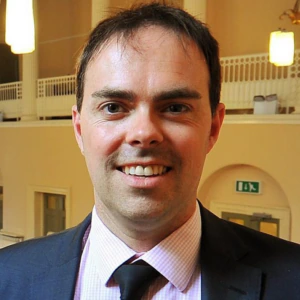
A man in a suit and tie smiles at the camera in a well-lit room with cream walls, hanging lights, and a balcony with white railing in the background.

Steve Miller

President, Museums Association and Director of Culture & Heritage, Norfolk County Council

Mo Suleman

Mo Suleman

Treasurer, Museums Association, Chartered Certified Accountant and Finance Director, Bloc Digital

Sharon Heal

Sharon Heal

Director, Museums Association

Michael Terwey

Michael Terwey

Chair of Ethics Committee and Trustee, Museums Association and Director of Public Engagement and Research, National Trust for Scotland

Headshot of Rachael Rogers

Rachael Rogers

Vice-president, Museums Association and Museums and Arts Manager, MonLife Heritage

18:00 – 19:00

Coaches to Cardiff city centre

The Museums Association is working with Mainline Coaches to provide transport for delegates from St Fagans to Cardiff city centre. 10 coaches will depart from St Fagans to National Museum Cardiff (the location of our evening party) and five coaches will depart from St Fagans to Cardiff Central Station during this time.
All coaches will depart when they reach capacity. Delegates are asked to be patient while people board/exit coaches.

Four of the coaches are subject to Public Service Vehicles Accessibility Regulations, which means they have space for a wheelchair user.

The pick-up and drop-off point at Cardiff Central Station is the rear car park.

In-person only

More info on coaches

18:30 – 20:30

Main party | Amgueddfa Genedlaethol Caerdydd – National Museum Cardiff

After an exciting opening day of conference at St Fagans, coaches will be waiting to take you to the National Museum Cardiff, where festivities will commence in the Grand Hall. 

Relax with a drink and canapes as you network and check out the museum’s newly installed 3D-printed replica of the most complete woolly mammoth skeleton ever found in Britain – aged to c.14,000 years old and one of the last remaining mammoths before the species became extinct. Then wander upstairs to see the museum’s iconic collection of impressionist works, including Monet and Renoir, accompanied by a live harpist from the Royal Welsh College of Music and Drama. 

Welcome drinks and canapes will be served, pay bar (card preferred) thereafter. Canapes are vegan, vegetarian and nut-free, but are not produced in a nut-free environment. 

We are delighted to welcome DJ Jaffa, who features in the Welsh Hip Hop exhibition upstairs – of which there is a specially arranged tour tour on Thursday 9 October – who will be playing a live set accompanied by Welsh beatboxer Matthew Hanna.

For those who enjoy a calmer ambience, the harpist will resume in the Impressionist and Modern Galleries during the live DJ set. 

In-person only

Coaches will leave St Fagans between 1800 and 1900 and will drop delegates off at the National Museum Cardiff (10 coaches) or Cardiff Central Station (5 coaches). Please refer to our information on coaches for further details.

Social events are included in the cost of in-person tickets and there is no need to book a place.
Accessibility 

There will be an assigned quiet space provided, just ask a member of staff on site. There is wheelchair access to the museum as well as to the galleries upstairs. Chairs will be provided at the edge of the Grand Hall. Fold away stools will be provided in the galleries. 
Parking 

There is free parking at the back of National Museum Cardiff, c.100 spaces, subject to availability. There is no reserved parking. There is pay parking on Museum Avenue and in front of museum, as well as Greyfriars NCP. 

Schedule 

  • 1830: Party opens – Grand Hall and Impressionist and Modern galleries open to delegates 
  • 1930: Speeches 
  • 1945: DJ Jaffa live Welsh hip hop set in main space, canapes served 
  • 2030: Party ends 

Advertisement