Announcing your winners
The Museums Change Lives Awards recognise and celebrate outstanding work by UK museums delivering social impact. The awards promote best practice from museums and individuals that supports communities and engages with contemporary issues.
The Museums Change Lives Awards 2025 are sponsored by PLB.
We're delighted to announce the winners of this year's awards – read on to find out more about the winners and nominees.
Advertisement
Best Museums Change Lives Project
WINNER | Birmingham Museums Trust – Citizens’ Jury
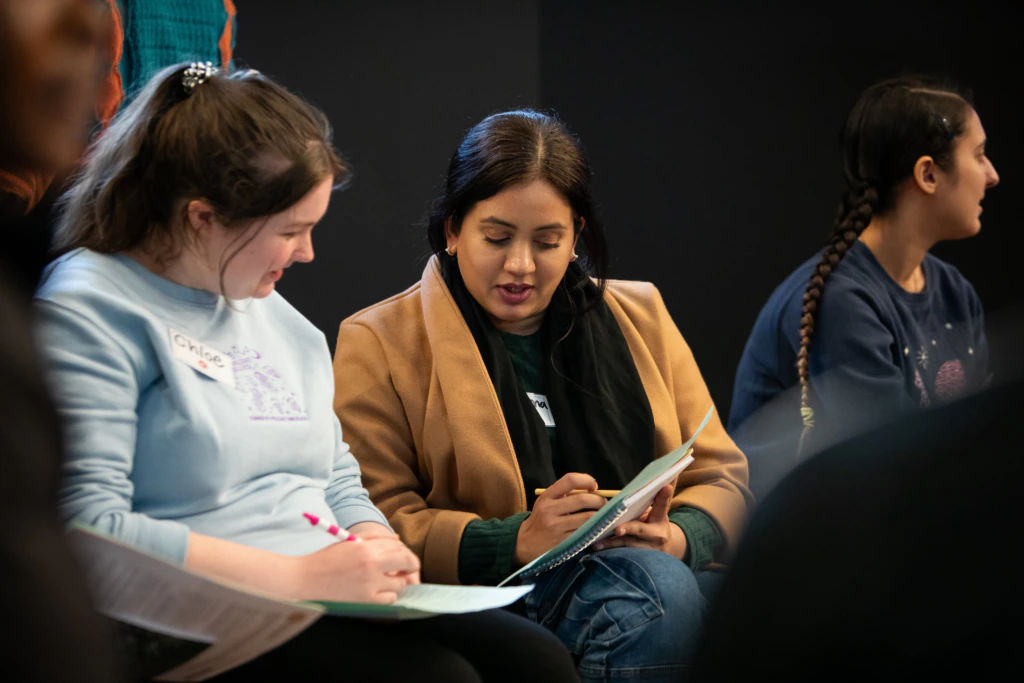
Birmingham Museums launched the UK's first museum Citizens’ Jury, giving power to people of the city to answer the question: “What does Birmingham need and want from its museums, now and in the future; and what should Birmingham Museums Trust do to make these things happen?”
It brought together a diverse group, matched to Birmingham’s demographics across multiple measures, giving them tools to collaborate, with genuine power to shape the trust’s future. The jury provided a thoughtfully facilitated space where jurors could exchange opinions, experiences, ideas and knowledge.
Jurors produced 11 roles and 20 recommendations for BMT, directly informing the trust’s five-year plan and beyond. Many have committed to working with the museum for an additional 18 months, including contribution to the development of an exhibition about the jury. Participation prompted personal growth, furthered public engagement and a tangible shift in participants' perception of museums, repositioning BMT from a passive repository to an active civic actor.
Advertisement
Cornwall Museum and Art Gallery – Early Bird Explorer Breakfast Club
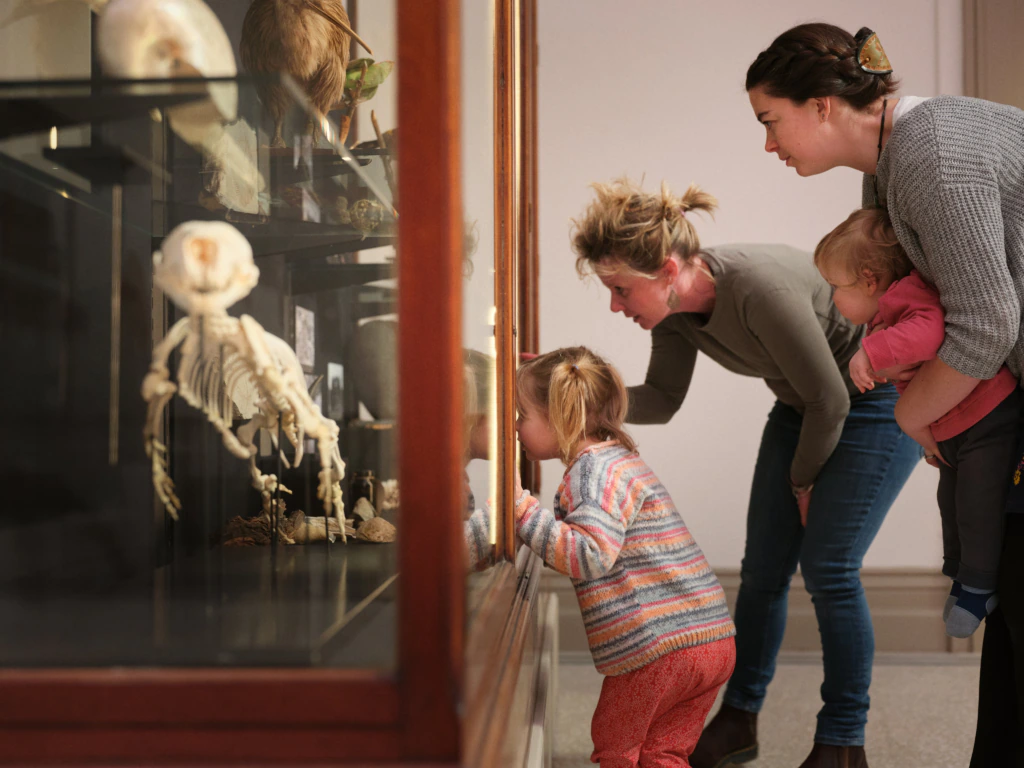
Cornwall Museum recognised that local families facing financial hardship often couldn’t visit the museum, and evidence from Truro foodbank highlighted that financial pressure peaks when free school meals and breakfast clubs stop during school holidays. The museum launched the Early Bird Explorers Club, offering free breakfast, unlimited museum access and activities for families over school breaks.
The museum also shares simple, child-friendly meal ideas to help families stretch tight budgets creatively. The museum found a natural partner with Healthy Cornwall, and this ensures support now goes further – an NHS advisor attends each session to offer friendly, non-judgmental guidance, leaflets, foodbank vouchers and referrals.
Families can explore and play in the museum before opening hours, free from crowds and stress, making it a welcoming, safe space. Many families who attend never saw museums as “for them”, and each attendee leaves with a free annual pass, ensuring they can return at any time. The work aims to make the museum truly accessible, inclusive and supportive of all families, offering an important community resource where they feel welcome and valued.
Mansfield Museum – Green Power
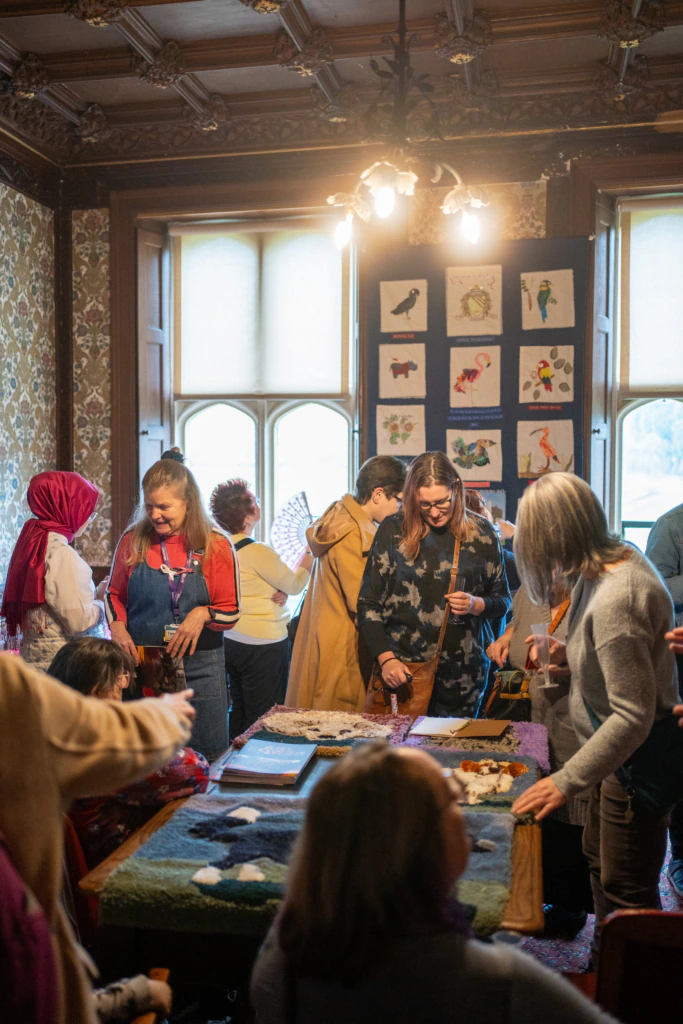
Green Power has delivered creativity and empowerment for women’s recovery journeys since 2022 (when the project began as Art Power). The project has provided support, healing and improved wellbeing for survivors of domestic and sexual abuse. Since its inception the project has expanded its remit and now supports vulnerable women from a wider range of Mansfield's population.
Advertisement
Workshops focus on creative projects connecting with objects, artefacts and artworks from the museum’s collection, which are used to inspire work in a range of media including ceramics, painting and drawing, lino printing and beyond. The project also offers trauma-informed yoga, wellbeing activities, growing vegetables, trips to museums and galleries and cooking demonstrations to support healthy lifestyles, promote connections and cultural exchange.
The group has now published a poetry book, exhibited artworks at Newstead Abbey, paraded a Green Woman puppet at Mansfield Carnival, and held a co-created community Iftar. One participant said: “This project has been a lifeline for me... the museum has been a safe place and inspiration for our creativity. I have made friends and regained my confidence and truly feel a part of something special.”
Best Small Museum Project
WINNER | Timespan (Helmsdale Heritage and Arts Society) – The People’s Mobile Archive
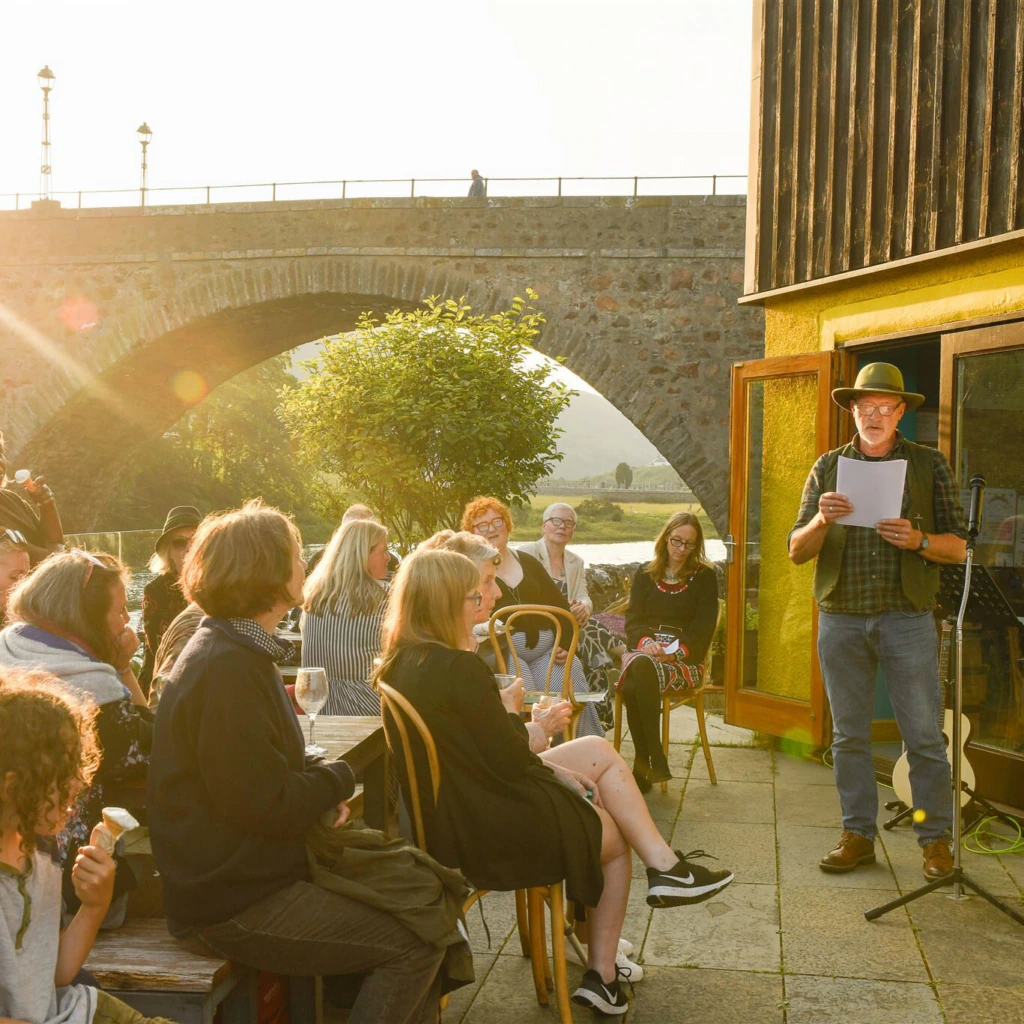
The People’s Mobile Archive (PMA) is Timespan’s outreach programme tackling rural isolation, health inequalities and cultural exclusion in East Sutherland. Developed during Covid recovery, it brings collections, digital tools and creative resources to marginalised groups – older people, carers, refugee families, those with mobility or mental health challenges – through home visits, activity packs and low-barrier public programmes.
Co-designed with local communities and cross-sector partners, the PMA delivers oral history sessions, intergenerational podcasts, climate justice reading groups, film screenings, and collection-based memory work. The project has demonstrable impact: participants report increased connection, confidence and memory recall. It shows how small museums can meet pressing social and environmental needs through collaboration, care and collections – transforming heritage into a tool for justice and recovery.
The pilot reached over 800 older participants across Helmsdale, Loth, Kildonan and surrounding areas. Formal evaluation showed reduced isolation, improved mood and stronger social bonds. Feedback evidenced a strong appetite for continued, co-created engagement and cultural participation. Where formal provision is limited, the PMA demonstrates that cultural infrastructure can deliver long-term, place-based wellbeing outcomes through embedded, equitable and participatory practice.
North Lincolnshire Museum – Documenting Northern Lincolnshire’s History
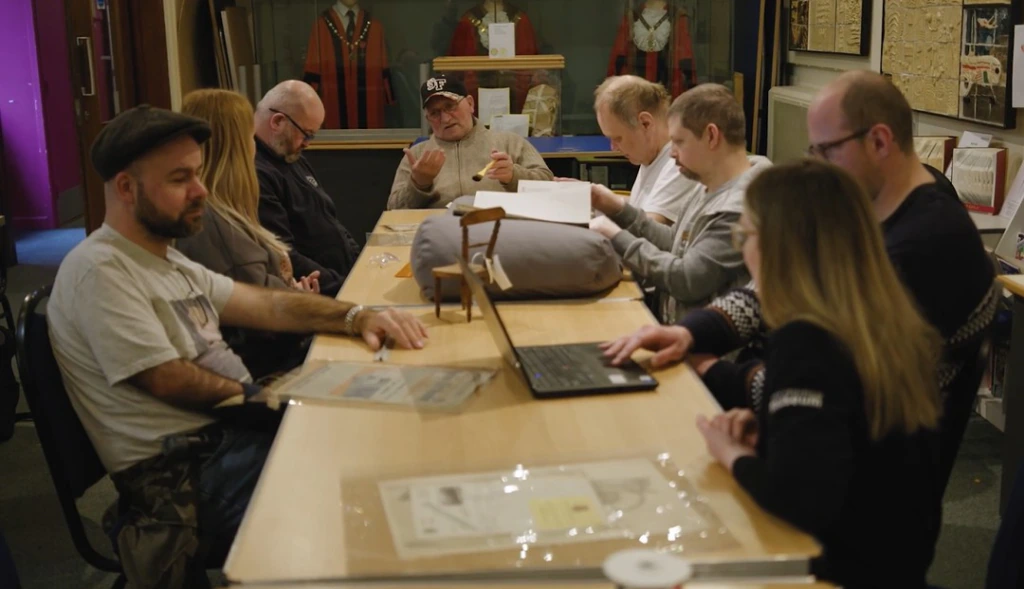
Documenting Northern Lincolnshire’s History is a two-year collaborative documentation project opening up access to the museum's local history collection by enhancing the records for 15,000 objects and digitising 15,000 objects. The project connects a team of over 30 volunteers from diverse backgrounds with the museum’s collection of ephemera and photographs, with documentation and interpretation tasks emphasising wellbeing and aiming to promote community cohesion.
The project is underpinned by collections research around three key topics selected by volunteers: community voices, community spirit and creative storytelling modes. Participants have identified gaps across the collections, signalling stories that remain untold from under-represented communities, and take action to redress these gaps through community engagement and collaboration activities. Their research into hidden stories was showcased in the co-curated exhibition ‘Stories from the Stores’.
The project team documented attendees’ experiences of Scunthorpe Pride Festival, undertook workshops with North Lincolnshire Sanctuary Group, and collaborated with the Museum Makers, a group of adults with additional needs. Evaluation highlighted the positive impact on volunteer wellbeing, particularly regarding combatting loneliness and anxiety. Volunteers discussed feelings of empowerment through opportunities to share their own stories.
Stourbridge Glass Museum – Recycled glass sculpture workshops and Greener Glass exhibition
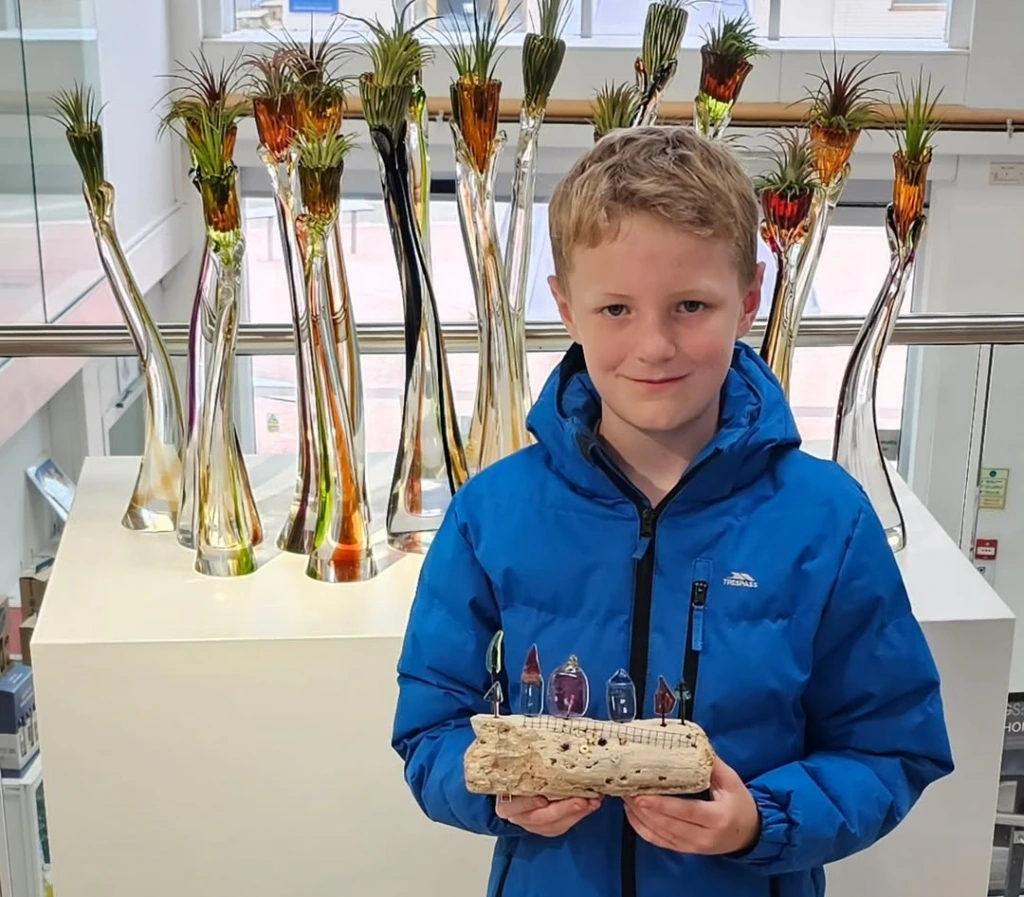
Stourbridge Glass Museum’s Greener Glass exhibition tackles urgent environmental issues through innovative partnerships with artists, the University of Birmingham, and local schools and families. By showcasing glass art made from 100% recycled materials and renewable energy, saving 12 tonnes of CO₂ annually, the project merges heritage craftsmanship with contemporary sustainability debates, directly linking to the collection’s industrial legacy.
The solar-powered exhibition includes workshops with schools, dementia friends and eco-groups exploring sustainable art, inspiring behaviour change. The glass sculptures made in the classes went on display in the museum for the International Festival of Glass. Free student passes, free workshops and tickets for refugees and those on universal and pension credit, and collaborations with youth climate networks attracted more diverse first-time visitors.
University of Birmingham students also contributed cutting edge prototype equipment and new prototype glassmaking machinery to reinforce the exhibition’s environmental messaging. By framing glassmaking’s future through an eco lens, the museum demonstrates how small museums can drive social change and lead the way, turning art into tangible community impact.
Equitable Partnership Award
WINNER | Horniman Museum and Gardens with partners, creatives and young people – The Great Kingdom of Benin
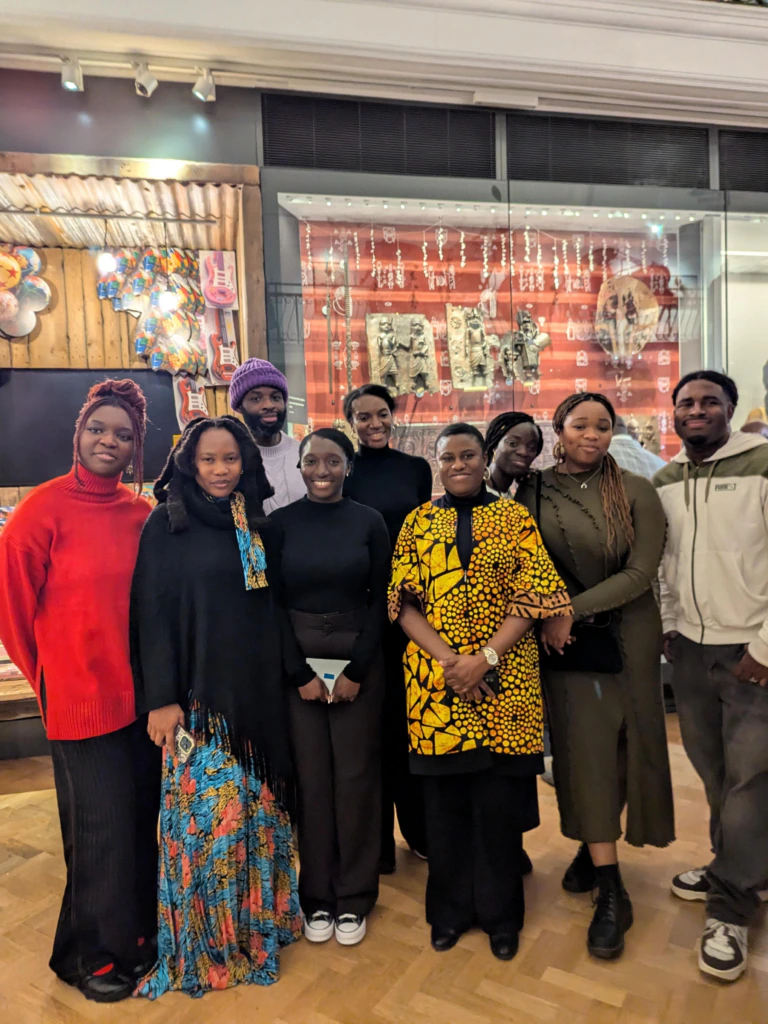
Following the return of ownership in 2022 of 72 looted belongings from the Benin Kingdom, the Horniman worked together with communities on updating the permanent museum display. This approach is part of a long-term commitment to working with, rather than for, communities. The project was guided throughout by six Nigerian and Nigerian-diaspora community members as co-curators.
Across four paid consultation workshops, the group agreed on the project plan, decided which belongings should be displayed, co-wrote the interpretation text and set the design brief. The co-curators also led on the brief for a short film. This was directed by Nigerian-British filmmaker Eden Igwe, and features a child with Benin ancestry connecting with their heritage through material from Benin City. Collaborators and creatives also worked on a graphic wallpaper for the exhibition and the museum's first international artist residency.
The new display, The Great Kingdom of Benin, opened on 5 December 2024 with a celebratory event attended by members of the Benin Royal Family and featuring a performance by the Bini Association. Evaluation by an external curator highlighted that the co-curators had an overwhelmingly positive experience, and the evaluation also noted how the project aim of addressing and reinterpreting the colonial legacy of the Horniman’s founding collection was achieved.
British Library with Leeds Children’s Services – Leeds Children’s Social Work Services x British Library Partnership
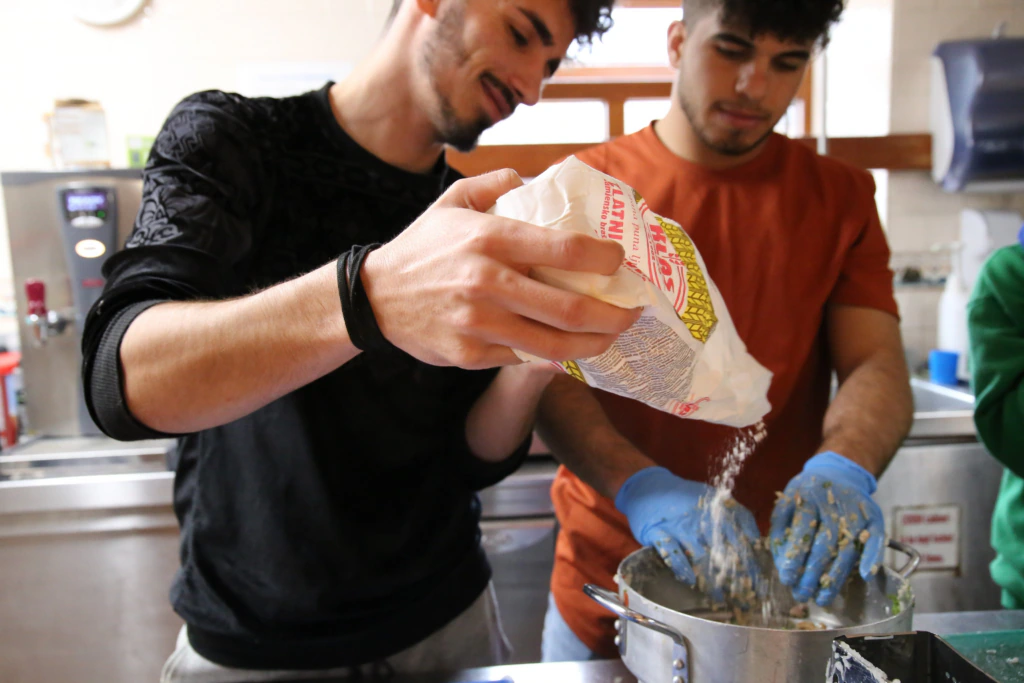
The British Library forged its ongoing partnership with Leeds Children’s Services during the pandemic, with shared values clear from the start. The library brings time and money, with the support of collections, engagement and design teams. Social workers contribute time, knowledge and passion for the young people they work with. The partners have regular meetings, totally honest communication and shared decision-making.
During Cooked with Love (2020-22), 29 young people seeking asylum created a recipe book, published in print and online. For Mapping Life Stories (2023-24), 18 young people took inspiration from historic maps to make their own maps communicating stories of identity, journeys, home and belonging. Participants experienced fun, learning, relaxation, pride and self-esteem, while making friends, building strong relationships with adults, and beginning to process some of their experiences and focus on the future.
A rolling approach allows the teams to improve project-on-project, with the third project currently underway. Young people’s power has increased over time, and they are integral (and paid) at every stage – from briefing and interviewing freelancers to project planning and team meetings. The partnership has driven the development of co-creation practice in the library, which is now a central pillar of its strategy.
National Museums Liverpool (NML) with Spirit Level, GYRO, Sahir and LGBT Foundation – Trans Day of Visibility 2025
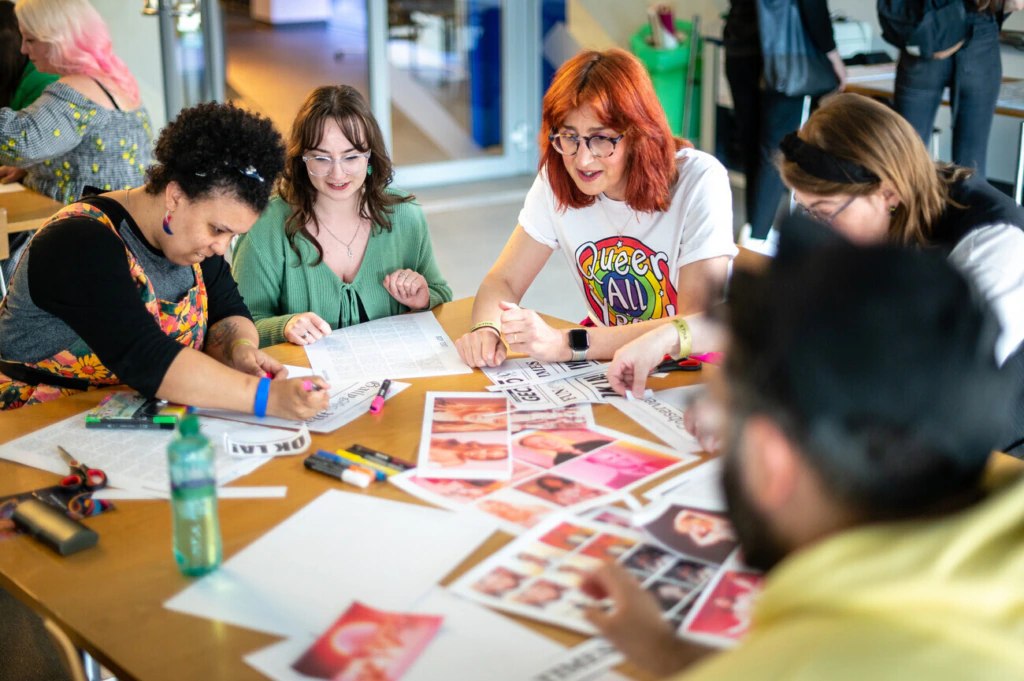
In a cultural climate where transphobic narratives are increasingly accepted, it’s more important than ever to uplift trans and non-binary voices, celebrate trans joy and show solidarity with trans and non-binary communities. Trans Day of Visibility 2025 was NML’s largest ever and was fully co-produced, with decision-making divested to trans and non-binary community champions to create an event that centred their voices and stories.
NML has held Trans Day of Visibility events since 2018, evolving from collaboration to full co-production with local trans and non-binary individuals, peer support groups and LGBTQ+ services. The entire programme was created, facilitated and run by trans and non-binary people who came forward following a period of open consultation, creating a programme informed by lived experience – relevant and transformative to communities who have felt increasingly excluded and discriminated against.
The event comprised 14 elements including a marketplace of trans-inclusive services, a trans makers’ market, performances, panel conversations, and workshops. Over 1,000 people attended, including trans and non-binary communities, allies, and general public visiting the museum that day. NML's commitment to its co-produced approach continues through its wider Trans Inclusion Programme, working towards a fully trans-inclusive museum service.
The Postal Museum with Dollar fo' Dollar, Caribbean Social Forum and Royal Mail Culture Bearers – Voices of Resistance: Slavery and Post in the Caribbean
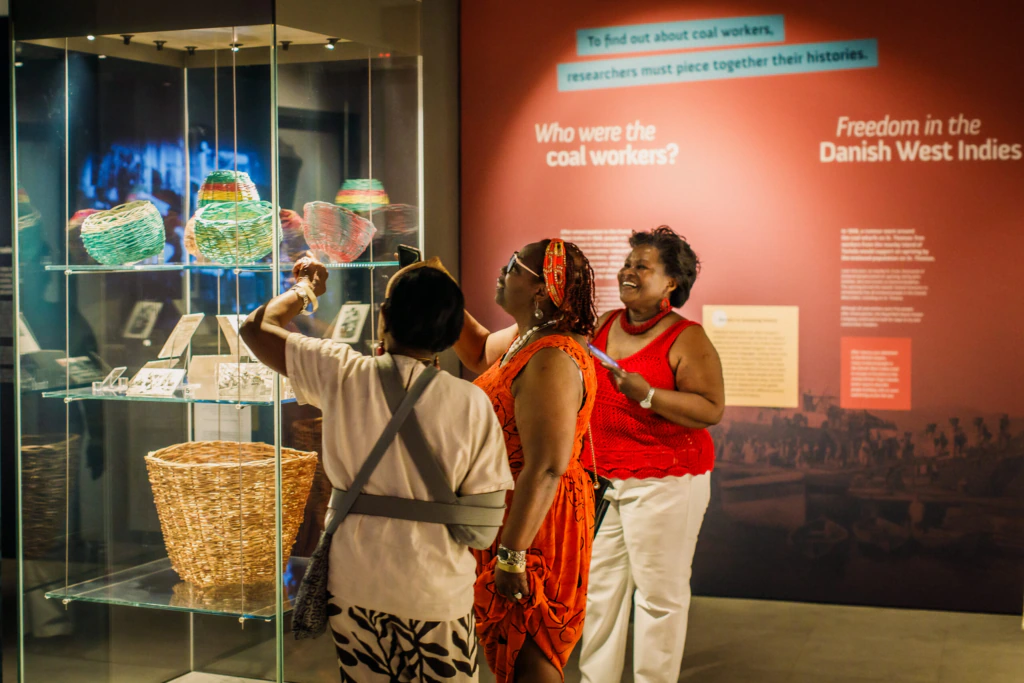
Since 2019 the Postal Museum has worked with African Caribbean community partners and academics to research and co-produce an exhibition exploring the links between our collections and transatlantic slavery. The museum worked collaboratively to address traditional power imbalances, deepen its understanding of the collection and learn from others to enrich its practice.
The project enabled the museum to pilot its participatory practice across the process of exhibition development. Following research into the exploitaition of enslaved people in the movement of mail between Britain and the Caribbean in the 1800s, the museum approached St Thomas-based organisation Dollar fo’ Dollar to become partners, who since 2005 have commemorated Virgin Islands coal workers. They co-curated significant parts of the exhibition through shaping themes, selecting display objects, loaning items, text writing and creating shared AV assets.
The museum also worked with African, Caribbean and Black diaspora community groups in London to co-produce creative responses for display. A group from Royal Mail created a reimagined map, and the Caribbean Social Forum recreated coal baskets. Outputs and feedback show the relationships have been mutually beneficial, with partners feeling valued and involved in shared decision-making. The museum deepened its understanding of its collections and participatory practice, and is embedding lessons learnt to make long-term change.
Radical Changemaker Award
WINNER | Elizabeth Scott, Guildhall Art Gallery
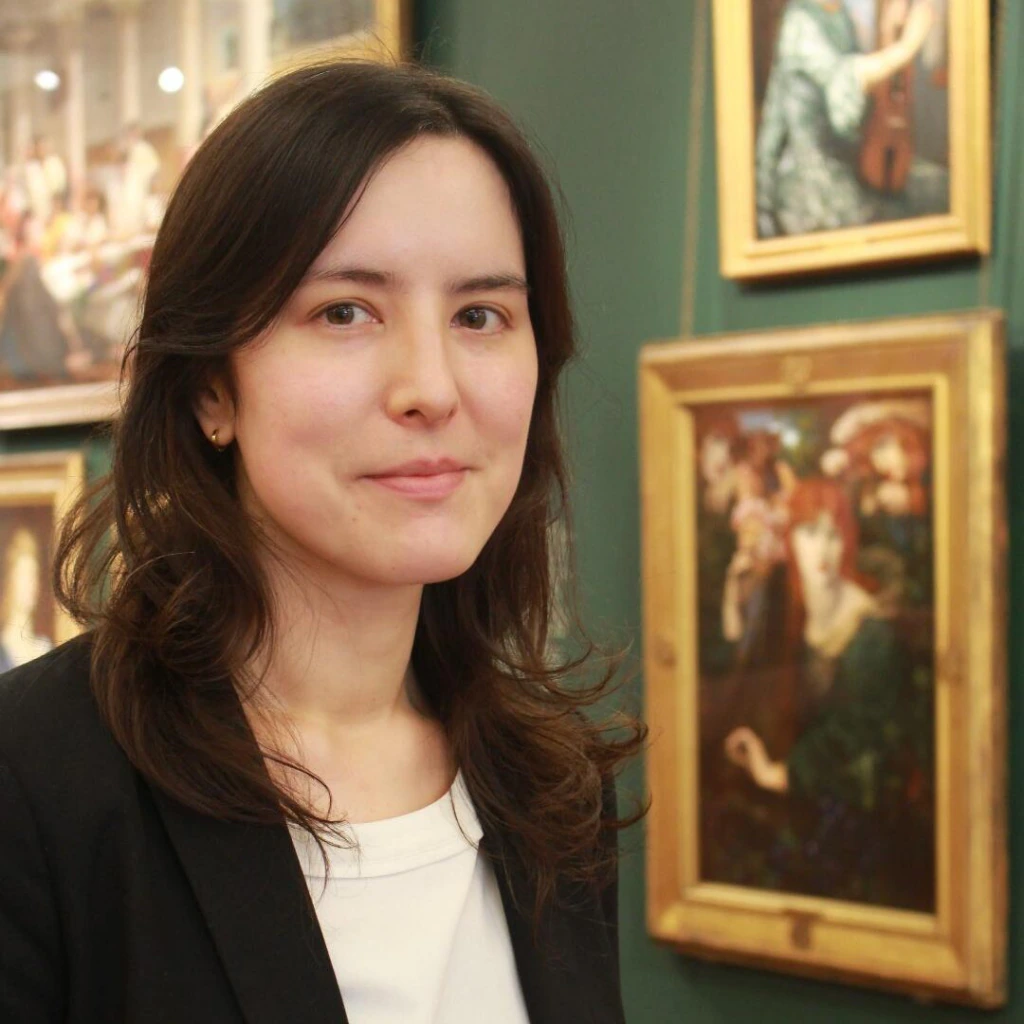
Social impact has been a focus of Elizabeth's career through leading by example, from programming and collections to audiences and the workforce. Her leadership of the Revealing the City's Past project at the Guildhall Art Gallery (GAG), to reinterpret two controversial statues, is a recent example of her collaborative and inclusive style – she designed the project to amplify the voices of those most affected by Beckford and Cass’s legacies today.
Over three years, she assembled a team and contributors mostly from the Carribean diaspora and collaborated with 41 partners. An intergenerational panel and accessibility panel were consulted throughout, community voices were an essential part of the project, and accessibility was embedded as a principle. She is also a champion for workforce change: as head curator at the London Transport Museum (LTM), she proactively created a more representative curatorial department.
At the GAG, visitor numbers have increased year on year under Elizabeth’s leadership, with a 30% increase overall in footfall per year since she joined in 2017 (from under 90,000 visitors to over 121,000 visitors). As a result of her artistic direction the GAG’s audience profile has changed, with 42% of all visitors aged between 25-45, compared to only 14% in 2016-17, and 12% are from the global majority compared to only 3% in 2016-17.
Afia Yeboah, V&A East
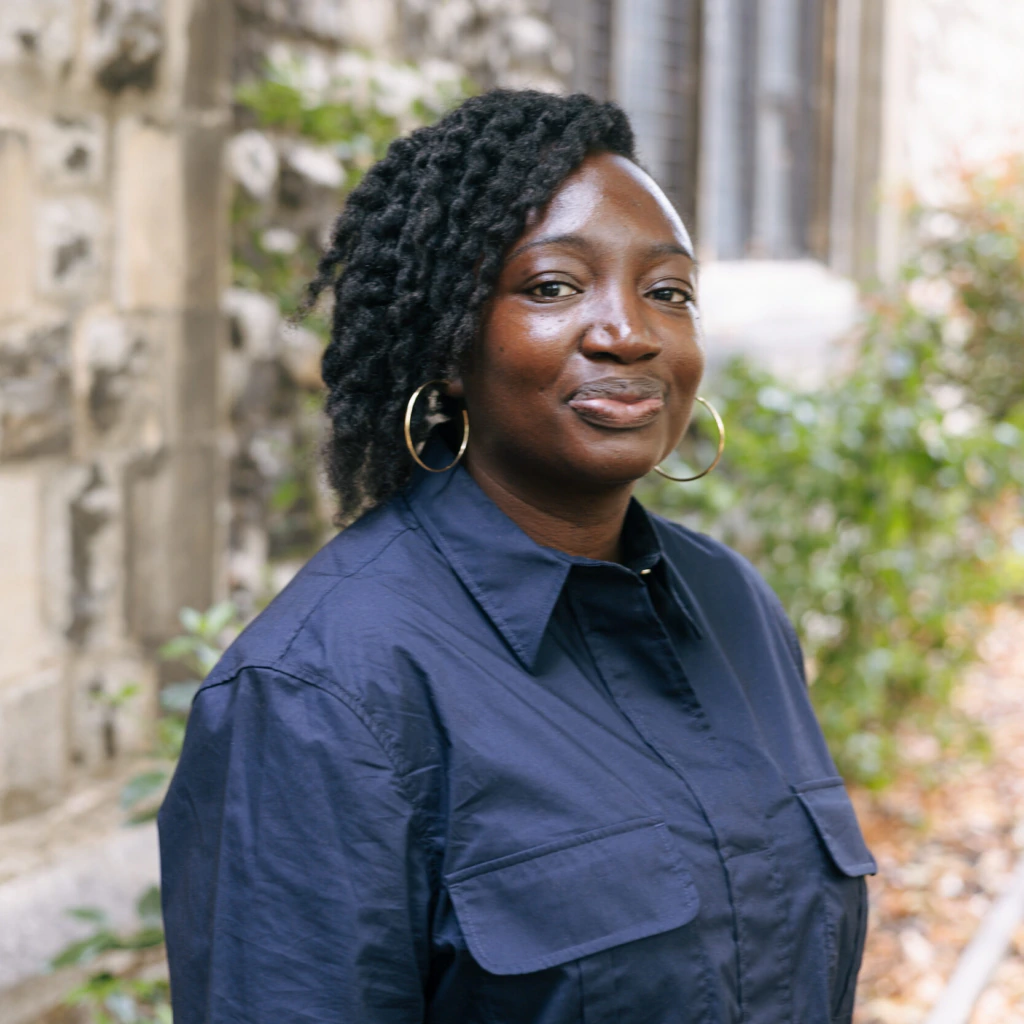
Afia pioneered a deep engagement project with a controversial piece of architectural history, Robin Hood Gardens estate in east London. She prioritised the stories of residents and young people to tackle the live conversation around social housing in the UK, as opposed to focusing on architectural history – a radical feat of social justice within a design museum.
Her approach decentred the museum to empower residents to lead the interpretation of the architectural fragment on display. By fostering trust with residents through fair and inclusive practices, such as hosting breakfasts in the community hub, she captured over 15 oral histories. Following extensive lobbying, these have been added to the V&A's first archive of community-donated objects. Afia worked with young people to explore the future of social housing, breaking down negative perceptions to focus on the public benefit.
Afia’s work has inspired debate within the museum. She has enabled lasting change by embedding an approach that prioritises community voices and lived experience. She has sustained engagement with communities through future walking tours, and her project has helped non-traditional and local museum audiences cross the threshold of V&A Storehouse.
Jenny Durrant
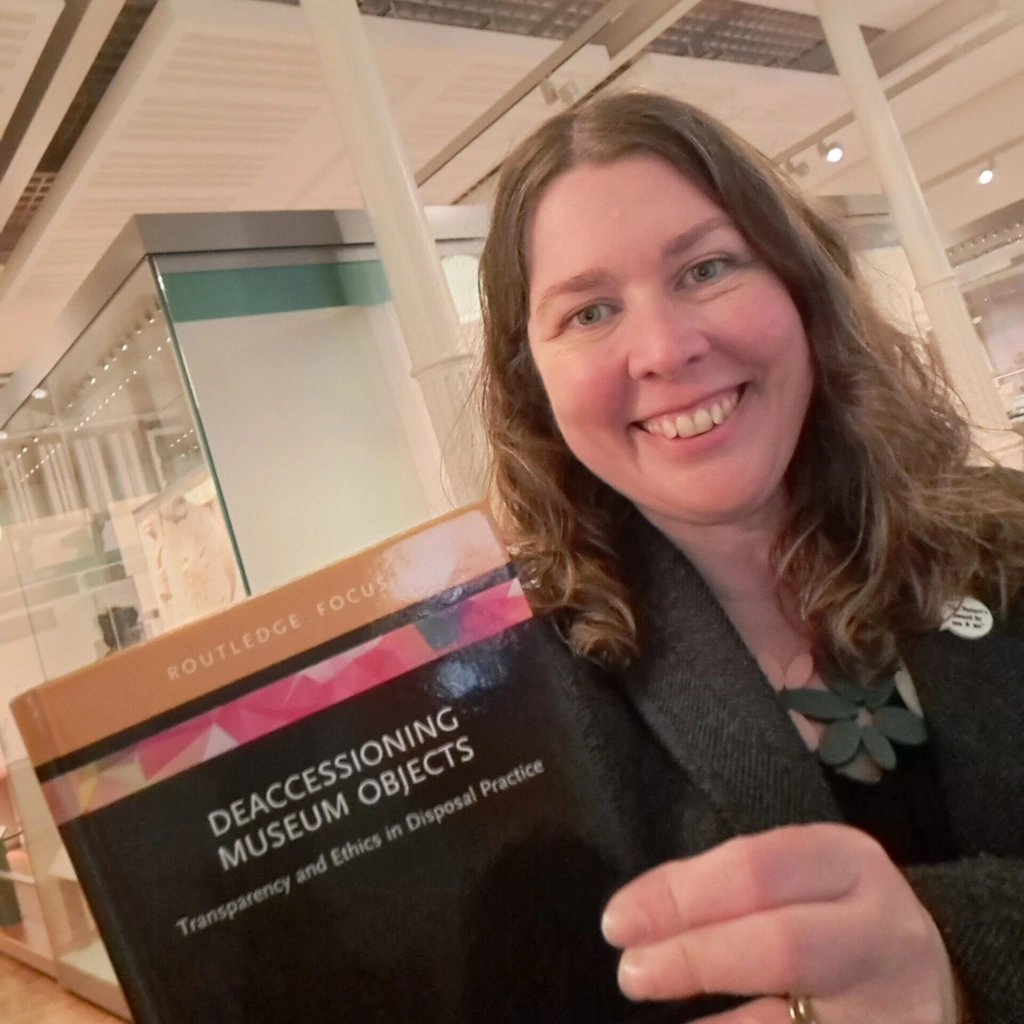
For ten years, Jenny has transformed disposal practice by questioning norms of perception. Encouraging a reflexive ethical mindset, she tasks practitioners to balance idealism and pragmatism, use risk as a change driver, and create transparent communication to build trusting relationships. Her 2025 book Deaccessioning Museum Objects: Transparency and Ethics in Disposal Practice positions her as an leader in the field.
Her related article will soon be published in the American Alliance of Museums’ quarterly magazine, and she has driven regional change in Cumbria and the Midlands. ‘Taking Stock’ with Manchester Art Gallery refined their collections review practices and tested ethical boundaries, while various articles in Museums Journal have encouraged new ways of thinking and acting.
Inbal Livne of Manchester Art Gallery said the following: “The idea that a collections-based organisation would actively prioritise ‘disposal’ as business critical would have been unthinkable only a few years ago. Jenny's work has been vital to placing this idea front and centre, and showing its value to creating sustainable, relevant and thriving organisations.”
Judging panel
The panel comprises MA conference panel members, board members, MA staff and external partners.
- Fadhili Maghiya, chief executive officer (CEO), Sub-Sahara Advisory Panel
- Laura Humphreys, curatorial lead (collections and digital), Science Museum Group
- Alistair Brown, head of museums, libraries and archives policy, National Lottery Heritage Fund
- Rachael Rogers, museums and arts manager, MonLife Heritage Museums and vice-president, Museums Association
- Sharon Heal, director, Museums Association
Awards ceremony
The awards will be presented in a ceremony at Conference 2025: Perthyn – Belonging, 7-9 October at Sain Ffagan Amgueddfa Werin Cymru – St Fagans National Museum of History, Cardiff.
Prizes
The MA will seek to arrange cash prizes of £500 for each of the award winners.
In addition, each award will receive a trophy, a framed certificate, and substantial coverage in a special report in Museums Journal and via the MA’s other communications channels.