Wednesday 8 October

08:15 – 09:30 Coaches to St Fagans

The Museums Association is working with Mainline Coaches to provide transport for delegates from Cardiff city centre to St Fagans. 10 coaches will depart from National Museum Cardiff and two coaches will depart from Cardiff Central Station during this time.

All coaches will depart when they reach capacity. Delegates are asked to be patient while people board/exit coaches.

Four of the coaches are subject to Public Service Vehicles Accessibility Regulations, which means they have space for a wheelchair user.

The pick-up and drop-off point at Cardiff Central Station is the rear car park.

In-person only

More info on coaches
09:00 – 10:00 Coffee and networking

Meet other delegates and our conference supporter companies, relax with a tea or coffee and get to know the site at St Fagans.

In-person only Marquee

09:00 – 10:00 Relaxed networking

Conference can sometimes be daunting, so everyone is invited to come and meet fellow delegates at our fun and relaxed networking space. Led by queer heritage professionals Margaret Middleton, Sacha Coward and Pierrette Squires, this area will give you the chance to chat with others as you discuss a key topic or undertake a fun challenge together. This is also a place to sit and discuss topics in your own time between sessions.

In-person only Cafe

10:30 – 16:00 The Story Shell: a space to reflect, explore and get creative

The Story Shell – a giant air-filled seashell created by international artists Suzie Devey and Steve Messam for Barnsley Libraries – is travelling to MA Conference 2025. Delegates are invited to step inside to take some time away from the buzz of sessions, listen to an audio story or spend some time sketching. Staff from Barnsley Libraries will be on hand to support delegates’ interactions and run creative workshops around the installation. 

In-person only

10:00 – 11:00 Core session | Solidarity in action

The rise of the far right and populist politicians across the globe is cause for concern. This panel discussion draws on observations from the United States and looks at how museums and museum workers have responded and are beginning to strategise. Panel members discuss how we might support colleagues in the US and what the implications are for our international work.

The panel also looks at what tools we might suggest to better prepare ourselves to support our diverse communities in the UK and provide a collaborative space for building coalitions of mutual support.

All attendees welcome Atrium

Chair

Sharon Heal

Sharon Heal

Director, Museums Association

Speakers

Hannah Fox

Hannah Fox

Executive Director, The Bowes Museum

Elaine Heumann Gurian

Museum consultant/advisor, writer and lecturer

Janet Marstine

Janet Marstine

Museum ethics scholar and consultant

11:15 – 12:15 Core session | Intersectional feminist collecting in action

We Make Museums is a three-year project funded by Paul Hamlyn and Art Fund and developed by Glasgow Women’s Library (GWL) to initiate crucial discussions about museum processes and empower communities to shape collections that speak to their urgent needs and concerns.

Formed in 2024, the We Make Museums group has forged solidarity across a diverse range of experiences focusing on environmental justice and the continued fight for equality. The project has seen 17 participants work with staff at GWL and core partners at the Hunterian and Gallery of Modern Art to participate meaningfully in a programme of visits and discussions. We have used the lens of our changing environment alongside experiences of health inequality, racism and access difficulties to explore museum collections and ask critical questions about their content, and specifically acquisitions.

The community group has been thinking about what artworks they would like to see in collections and how we can collectively imagine more inclusive museums.

Join the GWL project lead Caroline Gausden and museum curator Jenny Noble alongside participants to discuss key insights generated so far, and join them in looking forward to the next phase: commissioning new artworks, devising a feminist collections policy and extending collaborations to other museums in the UK.

All attendees welcome Atrium

Takeaways:

  • Learn about GWL’s processes for building solidarity within groups where diverse experiences of marginalisation and exclusion are present.
  • Think through intersectional feminist perspectives on collections.
  • Hear about the challenges and joys of curating in collective ways.

Chair

Zandra Yeaman

Zandra Yeaman

Curator of Discomfort, The Hunterian

Speakers

Caroline Gausden

Development Worker for Curating and Engagement, Glasgow Women's Library

Jenny Noble

Museum Curator, Glasgow Women's Library

Justina Solomon Buwah

Project participant

11:15 – 12:15 Curriculum change and innovation in Wales

This session is relevant to museums across the UK, with curriculum change and adaptation now becoming an issue for all heritage learning services.

Since the introduction of the Curriculum for Wales in 2022, the Group for Education in Museums (GEM) has been funded by the Welsh Government to work with the museum sector to help them use the new curriculum guidelines and principles to adapt, improve and (in some cases) transform their learning services.

Hear about some of the programmes and initiatives that GEM has invested in throughout Wales, including a STEM-themed project case study in Carmarthenshire. Learn about the pioneering and innovative GEM museum learning mentor programme that has proved so successful over the past two years. One of GEM’s museum learning mentors will present a case study alongside their mentee museum on their experiences of this unique programme.

In-person only Stiwdio 3

Takeaways:

  • How museums can be innovative in their approach to curriculum change and can spark joy through engaging activities.
  • Examples of how to better represent audiences.
  • See how GEM Cymru museum learning mentoring takes a unique approach to supporting Welsh museums and is leading to fundamental change.

Chair

Karin Molson

GEM Cymru Chair and MonLife Heritage Learning Manager, MonLife Heritage Museums

Speakers

Gemma Edwards

Schools Heritage Officer, Carmarthenshire Museums

Robin Johnson

Robin Johnson

Museum Consultant, GEM

Lorna Kernahan

Lorna Kernahan

Freelance education and heritage consultant/Museum Learning Mentor, GEM

Sarah Pevely

Sarah Pevely

Assistant Curator, Flintshire Libraries and Leisure Gwella

11:15 – 12:15 Absolutely fabulous: dynamic ways to demystify fashion collections

Fashion collections pose a unique set of challenges, including care, conservation and display. Funding cuts and a decrease in specialist curators, especially in small and regional museums, has led to a decline in confidence in working with fashion collections, limiting access to knowledge and interpretation.

Yet these collections offer unique opportunities to engage with audiences, address urgent issues such as climate change (the fashion industry is responsible for 8-10% of global carbon emissions) and create compelling and powerful displays.

This panel discussion draws on a wide range of experience including Jeffrey’s work to co-create an Exhibiting Fashion toolkit aimed at non-specialist curators, Helen’s partnership work engaging students with fashion collections, and Sarah’s practical solutions to conservation issues.

Welsh-to-English simultaneous translation will be available in this room.

In-person only Stiwdio 2

Takeaways:

  • Practical ways of working with fashion collections.
  • How to work with audiences and tackle current issues.
  • Realising the potential of fashion collections.

Chair

Katy England

Katy England

Fashioning Our Future Project Manager, The Salisbury Museum

Speakers

Jeffrey Horsley

Jeffrey Horsley

Senior Lecturer, London College of Fashion

Sarah Howard

Freelance textile conservator and consultant

Helen Walter

Course Leader, BA Historical Costume, Arts University Bournemouth

11:15 – 12:15 Newid amgylchfyd (changing the environment): climate-positive wellbeing for museum staff

Climate change and mental health are two pressing issues for museums and the wider world. Amgueddfa Cymru is leading a Heritage Innovation Fund project exploring the ways climate-positive activities can contribute to wellbeing. The project aims to both improve staff and volunteer wellbeing and encourage action on the climate and biodiversity crises.

This workshop explores the different methods Amgueddfa Cymru has employed to involve staff and volunteers in climate action, the impact of those activities on staff wellbeing, and the structural changes the organisation has made to make this work sustainable beyond the project.

Joining the session are staff from the natural sciences department and front-of-house team to facilitate activities and give their perspectives.

To take part in this session, please meet at the entrance to Gweithdy. Please note that the session will take place outside and will not have any AV facilities or captions.

The session includes:

  • Getting outside and exploring the onsite biodiversity, sharing simplified biodiversity surveys which can be undertaken on museum sites.
  • Demonstrating the ‘Planet Cafe’ format – an artefact-led climate discussion model.
  • Sharing learning and exploring how supporting staff has enabled the museum to reach wider communities.
  • Discussing the successes and challenges of embedding this work across the museum.

In-person only Gweithdy

Takeaways:

  • Why we need to start by building staff resilience.
  • Ways to create space in the workplace for eco-action.
  • Practical suggestions to help build an internal eco-community.

Chair

Heather Jackson

Climate and Wellbeing Project Lead, Amgueddfa Cymru

Speakers

Del Elliott

Museum Assistant, Amgueddfa Cymru

A woman with long wavy brown hair and glasses smiles at the camera. She is wearing a blue jacket and is outdoors, surrounded by lush green foliage and trees.

Sophie Hocking

Senior Curator (Botany), Amgueddfa Cymru

Sarah Younan

Sarah Younan

Climate and Wellbeing Project Lead, Amgueddfa Cymru

11:15 – 12:15 Workshop | Let’s talk about failure

There is tremendous pressure to perform constant success in our grant-funded field, but if we don’t talk about failure, we can’t learn from it.

Join colleagues in a frank discussion about failure in all its forms, meet future collaborators, and gather resources for supporting a culture shift that begins with each of us.

The workshop begins with a brief introduction to the topic and facilitators. Then, participants join one of four tables where facilitators lead short exercises and share resources. At 10-minute intervals participants have the opportunity to stay at their table or join another one. Each table will focus on a unique aspect of failure.

In-person only Temporary exhibition space

Takeaways:

  • How we can all destigmatise failure.
  • Explore resources and network.
  • Meet future collaborators.

Chair

A person sitting and smiling

Margaret Middleton

Independent exhibit designer

@magmidd

Speakers

Pierrette Squires

Conservation and Collections Care Manager, Glasgow Life

Kate Wafer

Co-Director, Wafer Hadley

Nerys Rudder

Collection Services Lead, National Museums Liverpool

11:15 – 12:15 Networking | Welsh Museums Federation meet-up

Join other members of the Welsh Museums Federation for this informal networking meet-up.

In-person only Gweithdy

11:15 – 12:15 Exploring St Fagans | Victorian school experience

Location: Maestir School

Take part in an immersive Victorian school workshop delivered by one of St Fagans’ strict Victorian teachers. Take on the role of a visiting school pupil at Maestir School and discover what an average school day would have been like in Victorian times.

In-person only

Please note this session takes place within the St Fagans site and does not include any AV support. The session is facilitated by the St Fagans learning team. This session has a maximum capacity of 20 people.

11:15 – 11:55 Training | 10 tips for creating PR campaigns

Looking for advice on how to get more press coverage for your exhibition programme, maximise the impact of social media or boost your marketing strategy? This practical training session explores how even small museums can raise their profile in an ever-crowded marketplace.

In-person only Stiwdio 1

This is a repeat of the session which takes place on Tuesday 7 October.

Speakers

Carys Mair Thomas

Ymgynghorydd cyfathrebu/Communications consultant

11:15 – 11:35 Supporter session | From zero to hero – our collections are from the past, but our systems don’t have to be

Amgueddfa Cymru has undergone a strategic transformation: from disparate systems and sparse data across seven sites to a unified approach that brings visitors, data and systems into the 21st century.

The museum service is now using Tessitura for key areas of work including visitor experience, data insights, volunteering, external affairs, fundraising, education and marketing. There have been some challenges along the way, but a fair few successes too – including the ability to respond and succeed with limited resources.

All attendees welcome Lecture theatre

Speakers

Kirsty Alexander

CRM & Data Manager, Amgueddfa Cymru

Rachael Easton

Director, Regional Growth – EU, Tessitura

11:35 – 12:15 In Practice | Empowering voices

From September to December 2024, the Museum of Cardiff worked with the Grange Pavilion Youth Forum on the Young Curators project, which led to a co-curated exhibition. The museum provided training on oral history collection and exhibition creation, empowering the group to make decisions and curate their own exhibition.

In this session, the Young Curators share their experiences of working with a local museum and delegates will hear practical advice on how small museums can carry out community-led projects with a focus on anti-racist practice.

All attendees welcome Lecture theatre

Takeaways:

  • Practical advice on how small museums can carry out community-led co-curation projects.
  • The community perspective of working with a local museum.
  • What anti-racist museum work can look like in practice.

Chair

Alison Tallontire

Museum Manager, Museum of Cardiff

Speakers

Caroline Haines

Collections Curator, Museum of Cardiff

Zain Haq

Community member, Grange Pavilion Youth Forum

Hasna Osman

Community member, Grange Pavilion Youth Forum

12:15 – 13:45 Lunch

A number of sponsored and networking sessions will run over this extended lunch break.

In-person only Marquee

12:15 – 13:45 Relaxed networking

Conference can sometimes be daunting, so everyone is invited to come and meet fellow delegates at our fun and relaxed networking space. Led by queer heritage professionals Margaret Middleton, Sacha Coward and Pierrette Squires, this area will give you the chance to chat with others as you discuss a key topic or undertake a fun challenge together. This is also a place to sit and discuss topics in your own time between sessions.

In-person only Cafe

12:30 – 13:30 Networking | The Neurodiverse Museum meet-up

Due to unforeseen circumstances, representatives of the Neurodiverse Museum are not able to attend conference in person. Delegates who identify as neurodivergent, or are neurotypical and keen to make a difference, are invited to come along to this informal networking space. Please be aware that this session will not be facilitated.

In-person only Temporary exhibition space

12:30 – 13:10 Training | 10 tips for inclusive volunteering

This training session looks at practical ways you can increase the inclusivity of your volunteer programmes, particularly when it comes to recruitment and induction. Discover current research, resources and organisations that can support museums, and leave with a 10-point checklist to help you develop your action plan to realise your objectives as a volunteer-friendly organisation.

In-person only Stiwdio 1

This is a repeat of the session which takes place on Tuesday 7 October.

Speakers

Tamsin Russell

Tamsin Russell

Workforce Development Lead, Museums Association

@TamsinRussell
12:45 – 13:15 Exploring St Fagans | Welsh language taster session

An opportunity to see how St Fagans works with Welsh language learners and a chance to pick up some Welsh language hints and tips.

In-person only Lecture theatre

12:45 – 13:15 Exploring St Fagans | Among the trees

Location: Coedlan/High Ropes (at the back of the main museum building)

Join this tour looking at the trees of St Fagans, including those in the historic gardens and the champion specimens in the grounds.

In-person only

Please note this session takes place within the St Fagans site and does not include any AV support. Delegates are asked to meet by Coedlan/High Ropes at the back of the main museum building. From there, they will walk past ponds, trees and orchards before returning to the main museum building. Please note there are slopes and steps involved.

Facilitator:

  • Juliet Hodgkiss, Senior Garden Conservator, Amgueddfa Cymru
13:45 – 14:45 Core session | After return – rebalancing through ongoing equitable collaboration

International (via video) and UK partners highlight examples of continued collaboration following returns of cultural and natural heritage.

The return of an extinct lizard specimen from the Hunterian to Jamaica in 2024 was collaboratively conceived by the University of the West Indies, the Institute of Jamaica and the Hunterian as an opportunity for skills and knowledge exchange and longer-term research across natural and social histories. Jamaican colleagues Elizabeth Morrison (IoJ) and Shani Roper (UWI) present recent developments, while Giovanna Vitelli (Hunterian) outlines how relationships and practice around this work were developed.

Alexandra P Alberda (White and federally enrolled member of the Jemez of Pueblo) outlines changes in Manchester Museum’s practice following a series of returns of cultural heritage to Australia in partnership with the Australian Institute of Aboriginal and Torres Strait Islander Studies and Aboriginal peoples, paving the way for future collaboration and channelling organisational learning into a workbook to support Indigenisation sector-wide.

Korantema Anyimadu reflects on how trust and relationships built through the return of Benin Bronzes from the Horniman in 2022 enabled a community-led re-presentation of the Benin Kingdom through display, schools workshops and digital content, with Edo, Nigerian and Nigerian diaspora co-curators.

This session includes recorded contributions from Elizabeth Morrison, zoologist curator, the Institute of Jamaica; Shani Roper, curator, the University of the West Indies Museum; and John Osawe, outreach and learning coordinator, Museum of West African Art.
All attendees welcome Atrium

Takeaways:

  • Discover how return can be a positive experience for communities and museums.
  • Explore how ethical and equitable collaboration can open the door to longer-term relationships.
  • Learn how work around returns can improve and evolve our practice, helping museums become more representative of the communities whose heritage is in our care.

Chair

Peronel Craddock

Director of Content, Horniman Museum and Gardens

Speakers

Giovanna Vitelli

Head of Curatorial and Research, The Hunterian

Alexandra P Alberda

Curator of Indigenous Perspectives and Deputy Head of Collections, Manchester Museum

Korantema Anyimadu

Korantema Anyimadu

Senior Curator of Anthropology, Horniman Museum and Gardens

13:45 – 14:45 Museums as a convening power at a time of increased polarisation

As the world around us becomes more polarised, museums can play an important role in connecting communities, building understanding and fostering a sense of belonging.

Over the past six years Manchester Museum has developed a programme of Museum Celebrates events, built on principles of collaboration and co-curation. Celebrate comes from the Latin celebratus, meaning “assemble to honour”, which neatly captures the ethos of these gatherings. Developed with faith leaders, charities, community organisers, researchers and more, they bring together thousands of people from across the city in moments of friendship and shared joy.

In the wake of the riots last summer cultural institutions are increasingly reflecting on the role they play in shaping public opinion. Against a backdrop of rising Islamophobia, Manchester Museum has been delivering a community Iftar since 2019, seeking to be braver and more ambitious by creating experiences that reflect the breadth of the museum’s collections and communities. The programme has grown to include annual celebrations for Lunar New Year, Vaisakhi, Africa Day, Diwali and Christmas, providing a safe and welcoming space for people of all ages and cultures.

This panel discussion brings together community leaders and museum professionals to discuss why our sector is so well placed to facilitate dialogue at a time of immense polarisation, while examining the challenges along the way.

In-person only Stiwdio 3

Takeaways:

  • The importance of facilitating cultural dialogue in museums.
  • Practical tips and case studies for bringing different cultures together successfully.
  • Mistakes made and learning along the way.

Chair

Nusrat Ahmed

Lead Curator (South Asia Gallery), Manchester Museum

Speakers

Naz Asghar

Strategic adviser

Sukhbir Singh

Chair of Trustees, Manchester Sikh Foundation

Nidhi Sinha

Founder, Sangha and member, Greater Manchester Faith and Belief Panel

13:45 – 14:45 Powerful partnerships for “a warless world”: holding the line in turbulent times, inspired by our shared heritage

100 years ago, nearly 400,000 Welsh women signed a petition asking the women of America to join their efforts for world peace. Back in 2017, a community of women peace activists pulled together an extraordinary partnership of voluntary and national organisations, museums and charities, to remember their action, celebrate the centenary in 2024, and to realise their wish for “a warless world”.

This is a national heritage project which has led to an ongoing conversation, interrogating Wales’s international role and responsibility as a small nation in dozens of community and cultural settings across Wales, online and in political debates.

This session explores the ways in which a strong cross-sector partnership focused on one story meant that the project was able to reach the widest audience possible. It explores the principle of ‘it doesn’t belong to us’, taking the lead from communities in terms of how they’d like to respond.

Speakers will share insights into the way shared heritage can connect big, sometimes overwhelming global stories with our own hyper-local experience and inspire hope and action. And what about legacy? The session will delve into how to design a short-term project to maximise its long-term impact and keep up momentum.

Welsh-to-English simultaneous translation will be available in this room.

In-person only Stiwdio 2

Takeaways:

  • How to signpost (to partners) rather than gatekeep (controlling activity).
  • How partnerships and bringing together communities of interest create a network of support, showing that in unity there is strength.
  • Big global questions are not necessarily easy to engage with. Explore how museums excel at the personal and tangible, making projects like this work.

Chair

Ffion Fielding

Ffion Fielding

Project Manager, ‘Hawlio Heddwch’, Women’s Peace Petition Community Project

@FfionFielding

Speakers

Heather Aspinwall

Volunteer, Llangollen Museum and Corwen Museum

Jill Evans

Jill Evans

Deputy Chair, Academi Heddwch Cymru (Wales Peace Institute)

Shatw Ali

Youth project participant

13:45 – 14:45 Workshop | The new Code of Ethics for Museums: an aspirational approach

Museum ethics scholar Janet Marstine, associate professor (retired), will share her research on aspirational ethics and explain why the new Code of Ethics asks museums and those who work in them to work towards ethical best practice.

Participants will be encouraged to work together in groups to reflect on their own ethical practice and use ethical scenarios as prompts to discuss how the new Code of Ethics can support them in their everyday ethical decision making.

In-person only Temporary exhibition space

Takeaways:

  • Learn about aspirational ethics.
  • Hear about the new Code of Ethics.
  • Explore your own ethical practice.

Chair

Michael Terwey

Michael Terwey

Chair of Ethics Committee and Trustee, Museums Association and Director of Public Engagement and Research, National Trust for Scotland

Speakers

Janet Marstine

Janet Marstine

Museum ethics scholar and consultant

13:45 – 14:45 Networking | Freelancer and consultant meet-up

Are you a freelancer or museum consultant? Whether you are entirely self-employed, balance consultancy work alongside in-house roles or are looking at taking the plunge into freelancing, come and join us for this friendly and informal meet-up.

In-person only Gweithdy

13:45 – 14:45 CANCELLED: Exploring St Fagans | Have a go at Bronze Age pottery

Please note that due to unforeseen circumstances this session has been cancelled.

Location: Gweithdy (workshop side doors, not through the cafe)

A chance to step aside from the hustle and bustle of conference and network while attempting to replicate a Bronze Age miniature pot, found in a grave in the Vale of Glamorgan. All materials provided.

In-person only Gweithdy

Please note this session takes place within the St Fagans site and does not include any AV support. There is a maximum capacity of eight people.
Facilitator:

  • Steve Burrow, Head of Archaeology, Amgueddfa Cymru
13:45 – 14:45 Exploring St Fagans | Hidden in plain sight

During 2023-25 Amgueddfa Cymru and the Arts Council of Wales collaborated on an arts programme called Perspective(s), working with artists to retell and reimagine the stories of Welsh objects and history. The programme tackles complex and painful legacies; it rethinks the past to pave the way for a more inclusive future, one that acknowledges the diverse contributions and experiences that have shaped Wales and the world.

At St Fagans, curators worked with artists Nasia Sarwar-Skuse and Ways of Working. This tour will highlight the work produced, starting in the Wales is… gallery with the ‘Clive sofa’ display, then moving to St Fagans Castle to learn more about the estate’s connection to Robert Clive and the installations created by the artist there (although no longer on display, the film will be available to be viewed for the period of the conference).

In-person only Wales is... gallery

Please note this session takes place within the St Fagans site and does not include any AV support. Although there is a step-free walk between the Wales is… gallery in the main museum building and St Fagans Castle, the terrain on the castle side of the museum is steep in places and may prove difficult for some wheelchair users. There is a maximum capacity of 10 people.
Speakers

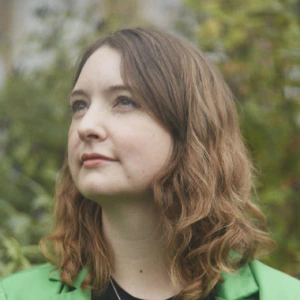
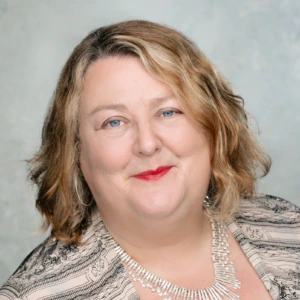
Sioned Williams

Principal Curator: Modern History, Amgueddfa Cymru

Elen Phillips

Principal Curator: Contemporary & Community History, Amgueddfa Cymru

Nasia Sarwar-Skuse

Artist

13:45 – 14:45 Exploring St Fagans | Mindfulness site walk

Location: Meet outside at Coedlan/High Ropes (at the back of the main museum building)

Join a member of the St Fagans learning team on a mindful walk around the museum grounds. Take your time as we explore the site using our senses to discover the sights, sounds and smells of St Fagans.

In-person only

Please note this session takes place within the St Fagans site and does not include any AV support. The session is facilitated by the St Fagans learning team. There is a maximum capacity of 20 people.

13:45 – 14:25 Training | 10 tips for fundraising success

Whether you’re fundraising for a specific project or development, or simply looking to keep the doors open, this practical training session shows you where to focus your time and resources to ensure that you make the most of your opportunities and potential for bringing in extra income. Aimed at those with the most limited time and resources to dedicate to fundraising, this session supports you in growing your fundraising activity at your organisation.

This training session is led by Cath Longley, Lead Consultant, Good Fundraising, who has been fundraising in museums of all shapes and sizes for more than 25 years and, through wider consultancy work, has brought learning from other sectors to successfully implement in museums.

In-person only Stiwdio 1

This is a repeat of the session which takes place on Tuesday 7 October.

Speakers

Cath Longley

Cath Longley

Lead Consultant, Good Fundraising

14:05 – 14:45 In Practice | “But we don’t have the collections!”: when the community is the collection

Colchester Museums has been working closely with its local Jewish community over the past five years to address the issue of lack of representation in the museum’s displays and collections. The loan of the Bodleian Bowl, an object connected to Colchester’s Jewish community, was agreed as a way of achieving this.

Curator Ben Paites and archivist Rachel Howse Binnington, a member of the local Jewish community, worked on securing the loan by speaking with the wider Jewish community about the story and how it should be told. This work culminated in a four-month display at Colchester Castle featuring oral histories, photos and objects that represent the community today, reflected alongside the long and complex history of the bowl.

This session aims to highlight the importance of including community voices in the work of museums and heritage organisations. This project addresses why the often-heard excuse of “we don’t have the collections” should never stop you from telling important stories about underrepresented communities in your local area.

All attendees welcome Lecture theatre

Takeaways:

  • Alternative ways to tell stories when you don’t have collections directly linked to them.
  • How to allow community voices to be heard.
  • The importance of enabling modern communities to share their feelings and reflections on an historical subject connected to them.

Speakers

Ben Paites

Ben Paites

Senior Curator, Colchester Museums

Rachel Howse Binnington

Community partner

15:00 – 16:00 Core session | Delivering Change: what does it look like to become an anti-oppressive museum?

Join this conversation session with three Museum Transformers from the Delivering Change programme, alongside one of the anti-racism facilitators.

Delivering Change: Museum Transformers is an anti-oppression programme that aims to empower the museum workforce to make changes to help all people access culture. The programme recognises that this work requires core organisational transformation. Anti-oppression is about understanding and dismantling the ways in which our society has been influenced and socialised into ideologies such as white supremacy and ableism (among others), giving some groups in society more privilege and power than others.

The Delivering Change programme focuses on two areas of anti-oppression, with museums undertaking training in both anti-racism and anti-ableism and receiving support to transform their organisations to become more inclusive and accessible.

This session reflects in depth on how the Museum Transformers participants have found the programme. It will explore how they found the learning, restructuring and transformation work, and also the next steps for their organisation. The session will also look at what the programme means for the sector in Scotland and beyond, and how the work links with the MA’s anti-racism programme.

All attendees welcome Atrium

Takeaways:

  • Clear understanding of the Museums Transformers journey.
  • Takeaways for how your organisation can start its own journey.
  • Information about future projects and the programme going forward.

Chair

Ellie Muniandy

Ellie Muniandy

Senior Museum Development Manager, Museums Galleries Scotland

Speakers

Sheila Asante

Sheila Asante

Delivering Change: Programme Manager, Museums Galleries Scotland

Kirsty Devine

Paisley Museum Re-Imagined Project Director, OneRen/Paisley Museum

Sarah Sia

Internal Engagement Manager, National Galleries of Scotland

15:00 – 16:00 Health and Wellbeing in Museums Fund

The Museums Association, supported by the Julia Rausing Trust, has recently awarded nine Health and Wellbeing in Museums Fund grants to enable the development and continuation of groundbreaking health and wellbeing programmes in UK museums during a time of financial crisis and increasing demand for services. This session introduces three of these grantees who will discuss the existing programmes that inspired their applications, share what they have learned and discuss the potential for impact upon participants, partners, their organisation and the wider sector.

In-person only Stiwdio 3

Chair

Craig Smith

Craig Smith

Health and Wellbeing in Museums Project Officer, Museums Association

Speakers

Julia Cort

Julia Cort

Arts Psychotherapist, Horniman Museum and Gardens

Daniel Huckfield

Daniel Huckfield

Wellbeing Projects Officer, The Amelia Scott

Erica Matthews

Erica Matthews

Artist, Your Trust

15:00 – 16:00 Community partnerships at the National Slate Museum

In November 2024, the National Slate Museum in Llanberis, North Wales closed its doors to begin a transformative multimillion pound redevelopment project funded by the National Heritage Lottery Fund, the UK Government via Gwynedd Council’s Llewyrch o’r Llechi project, Welsh Government and other funders. This huge redevelopment project is a key strategic project both for Amgueddfa Cymru and for North Wales.

The project is evolving as a partnership with colleagues and friends working to deliver on the promise of the 2021 Unesco World Heritage Site (WHS) designation of the Slate Landscape of North-west Wales. Working with the WHS Partnership Board (Llechi Cymru) and Gwynedd Council, we are co-developing our interpretive strategy to position the museum as a gateway to the WHS, one where visitors can follow the slate story beyond the museum walls.

Our vision is for a redevelopment project driven by the voices of our communities. Working across this broad partnership, which is rooted in the wider WHS landscape, we are working to ensure that the communities we serve are shaping the story with us through an iterative, creative and collaborative partnership approach.

Welsh-to-English simultaneous translation will be available in this room.

In-person only Stiwdio 2

Takeaways:

  • Methods used to partner with communities and the cross-partner collaborative approach taken to embed community agency.
  • The role of Gateway to the World Heritage Site, including sustainable tourism and Welsh language outcomes.
  • The evolution of a shared interpretive approach.

Speakers

Helen Goddard

Helen Goddard

Project Director, National Slate Museum

Elen Roberts

Elen Roberts

Head of Site, National Slate Museum

Roland Evans

Roland Wyn Evans

Assistant Head Economy and Community, Cyngor Gwynedd

15:00 – 16:00 Workshop | Found in translation: Intangible Cultural Heritage

Join this workshop for an immersive exploration of language, identity and the nature crisis. Through music, food and hands-on activities, this session welcomes participants to fall in love with Intangible Cultural Heritage, exploring identity and connection to the land and sea and building confidence in developing these themes within your own museum practice.

In-person only Temporary exhibition space

Takeaways:

  • Clear understanding of what Intangible Cultural Heritage is, and how it can be used to decolonise museum practice while interpreting the climate emergency.
  • An understanding that climate justice equals social justice.
  • How museums can use Intangible Cultural Heritage to address challenging and contested narratives effectively and responsibly.

Chair

Jacob O'Sullivan

Jacob O'Sullivan

Museum Development Manager – Collections and Interpretation, Museums Galleries Scotland

Speakers

Izzie Hanby

Isobelle Hanby

Experimental Archaeologist, The Scottish Crannog Centre

Lucy Neville

Lucy Neville

Museum Development Manager – Climate, Museums Galleries Scotland

James January-McCann

Academic Researcher, Royal Commission of Ancient and Historical Monuments of Wales

15:00 – 16:00 Networking | Museums Computer Group meet-up

Join this informal meet-up with the Museums Computer Group, a non-profit association of individuals who share a common interest in encouraging, improving and influencing best practice in the use of technology and digital platforms within the museum and heritage sector.

In-person only Gweithdy

15:00 – 15:40 Training | 10 tips for writing text labels

This practical training session will support you to find and use a tone of voice that’s right for your work. Discover the questions you need to ask before you write, from identifying your values and personality to reflecting on who you’re writing for, and hear how the building blocks of writing can impact your tone of voice. Delegates will leave with lots of practical tips to help them feel more confident about writing.

In-person only Stiwdio 1

This is a repeat of the session which takes place on Tuesday 7 October.

Speakers

Lucy Harland

Lucy Harland

Interpretation Consultant, Lucidity Media

15:20 – 16:00 In Practice | Calling time on poor pay policies

Low pay in the museum sector has a detrimental impact on workforce attraction, retention and wellbeing. Tackling this is essential if we want to address issues around under-representation, participation and progression from a more diverse workforce. This session explores how we can redress poor pay and implement more equitable pay policies successfully across the sector.

All attendees welcome Lecture theatre

Takeaways:

  • The legal and ethical responsibilities of organisations in relation to pay.
  • What steps you can take to implement equitable and good practice pay policies and practices.
  • How taking these steps can help you attract, retain and care for your workforce, and deliver organisational success.

Chair

Tamsin Russell

Tamsin Russell

Workforce Development Lead, Museums Association

@TamsinRussell

Speakers

Lianna Etkind

Lianna Etkind

Partnerships and Campaigns Officer, Living Wage Foundation

Katherine McAlpine

Katherine McAlpine

Director, The Brunel Museum

16:00 – 16:45 Exploring St Fagans | The conservation challenges of the Abernodwydd and Kennixton farmhouses

Location: Abernodwydd and Kennixton farmhouses

Emyr Davies leads delegates around two iconic St Fagans buildings: Abernodwydd Farmhouse and Kennixton Farmhouse. Learn about the specific conservation challenges that need addressing in the context of an open-air museum.

In-person only

Please note this session takes place within the St Fagans site and does not include any AV support. This session has a capacity of 10 people.

Facilitator:

  • Emyr Davies, Furniture and Horological Conservator, Amgueddfa Cymru
16:00 – 16:30 Coffee break

A chance to take a screen break for our online audience, while attendees at St Fagans can visit our networking area and meet our supporters over tea or coffee.

In-person only Marquee

16:00 – 16:30 Relaxed networking

Conference can sometimes be daunting, so everyone is invited to come and meet fellow delegates at our fun and relaxed networking space. Led by queer heritage professionals Margaret Middleton, Sacha Coward and Pierrette Squires, this area will give you the chance to chat with others as you discuss a key topic or undertake a fun challenge together. This is also a place to sit and discuss topics in your own time between sessions.

In-person only Cafe

16:00 – 16:30 Exploring St Fagans | Sketching

Location: Meet outside Gweithdy

Draw inspiration from the buildings and surroundings at St Fagans and take part in a guided sketching session.

In-person only Gweithdy

Please note this session takes place within the St Fagans site and does not include any AV support. The session is facilitated by the St Fagans learning team. Please note this session will take place outside, weather permitting. There is a maximum capacity of 20 people.

16:30 – 18:00 Core session | Facing the future

With so much social, political and economic upheaval, what are the key challenges facing museums and galleries in 21st-century Britain? Our final session sees our panel reflect on what they have learned at this year’s event, including what the idea of Perthyn/Belonging means to them and their museums.

Our speakers also look forward to the key issues that they’d like to see tackled at the Museums Association conference in Birmingham in November next year.

They discuss the future of collections, audiences and funding, as well as the ethical challenges that the sector faces.

All attendees welcome Atrium

Chair

Janet Dugdale

Janet Dugdale

Trustee, Museums Association and museum consultant

Speakers

Stella Byrne

Stella Byrne

Trustee, Museums Association and Head of Investment, Northern Ireland, National Lottery Heritage Fund

Niels de Vos

Niels de Vos

Chair, Birmingham Museums Trust

Errol Francis

Artistic Director and CEO, Culture&

Jane Richardson

Jane Richardson

Chief Executive, Amgueddfa Cymru

Michael Terwey

Michael Terwey

Chair of Ethics Committee and Trustee, Museums Association and Director of Public Engagement and Research, National Trust for Scotland

Linda Coode

Head of Collections and Archives, Bristol Museums

18:00 – 19:00 Coaches to Cardiff city centre

The Museums Association is working with Mainline Coaches to provide transport for delegates from St Fagans to Cardiff city centre. 10 coaches will depart from St Fagans to National Museum Cardiff (a 10-minute walk to our evening party venue) and two coaches will depart from St Fagans to Cardiff Central Station (a 9-minute walk to our evening party venue) during this time.

All coaches will depart when they reach capacity. Delegates are asked to be patient while people board/exit coaches.

Four of the coaches are subject to Public Service Vehicles Accessibility Regulations, which means they have space for a wheelchair user.

The pick-up and drop-off point at Cardiff Central Station is the rear car park.

In-person only

More info on coaches
18:30 – 20:30 Closing party | Museum of Cardiff

Say a fond farewell to colleagues and reflect on our theme of Perthyn – Belonging at our closing party at the Museum of Cardiff, which explores the city’s vibrant history. 

Specially arranged for conference delegates, there will be three exhibitions on show: Voices of Grangetown, where young curators chose artists’ work to represent this diverse area of Cardiff; Glitter Cymru: Belonging, an exhibition that celebrates the LGBTQ+ community; and Cardiff Astronomical Society, which delves into the history of the society through select objects. 

Don’t miss an energising performance from River Music, a musicians’ collective from the Cardiff area of Riverside, who will play an eclectic mix of Indian, African, Caribbean and traditional Welsh roots music from the communities of Cardiff.

In-person only

Welcome drink provided, pay bar thereafter. There will be no nibbles or canapes.

Coaches will leave St Fagans between 1800 and 1900 and will drop delegates off at the National Museum Cardiff (10 coaches) or Cardiff Central Station (2 coaches). Delegates will need to make their own way to the Museum of Cardiff, which should be about a 10-minute walk from either drop-off location. Please refer to our information on coaches for further details.

We will also be joined by Association for Heritage Interpretation conference delegates who are celebrating the AHI’s 50th anniversary in Cardiff.

Social events are included in the cost of in-person tickets and there is no need to book a place.

This event is kindly supported by Cardiff Music City Festival, a citywide music festival from 3-18 October 2025.

Accessibility 

There will be an assigned quiet room. Please ask a member of staff on site. Seating will be provided at the edges of the museum galleries. There is a lift between ground and lower galleries. 

Schedule 

  • 1830: Party opens – museum ground and lower galleries open, as well as the historic Tiled Corridor 
  • 1930: Speeches 
  • 1945: Live music from River Collective 
  • 2030: Party ends 

Advertisement