
You can't work in the cultural sector for as long as I have without being profoundly aware of how much museums mean - and give - to their communities. But even for me, there are times when I'm struck all over again by the impact they can have.
Recently, I visited a museum in Lancashire where I received an exceptionally warm welcome from the visitor team. A staff member, noting it was my first visit, took the time to suggest a few highlights. As I moved through the galleries, I came across an early years group in full swing. There was laughter, clapping and the joyful noise of children fully absorbed in the moment.
It was a beautiful reminder of how museums have evolved from hushed and hallowed spaces into places that are lively, inclusive and deeply human. Support for museums matters not as an abstract policy priority, but as a way of helping these spaces continue to deliver fully for the people who use them. That is the public value Arts Council England (ACE) works to advocate for: the social and educational benefits of museums, as well as the economic ones, both within government and across the wider cultural ecosystem.
Supporting museums to reach their potential
In May 2026, we published a new Strategic Framework designed to support this work and to reflect what we as the arts council have heard from the sector through Baroness Hodge’s Independent Review earlier this year: that our processes can add pressure to already stretched organisations, and that at times our previous strategy made it hard for applicants to develop the art and culture that matters to them.
The framework responds to these needs by introducing a simpler, more flexible funding environment built around three central goals: excellence, delivering for everybody, and reaching everywhere.
Advertisement
For museums, this should mean a better experience. By reducing bureaucracy and simplifying reporting, the Strategic Framework will give museums more space to focus on their unique strengths and missions.
Through its renewed emphasis on excellence as a driver of investment decisions, museums can strengthen the work they already do brilliantly: building skills, caring for collections, trying new ideas, and creating organisations that feel relevant, confident and able to respond to the future as much as the challenges of today.
It is a message we shared recently alongside our published guidance for the 2028–2033 National Investment Programme.
As we say in the new framework, “we want to back organisations that are dedicated to producing outstanding work”, and we hope our next investment round, running for five years, will reflect this. For museums, it is important to note that outstanding work includes vital collections focused activity, such as collections management or research, which underpins the strong public programming.
There is also a significant opportunity in responding to the Independent Review’s recommendation for a national museum strategy. Working with the Department for Culture, Media and Sport, we hope to help shape a long-term vision for the sector, with the new strategy supporting museums to realise their ambitions.
Of course, this work takes place in a challenging economic context. Museums continue to face rising costs and pressures on resources and capacity. Our new framework lays out our responsibility as a development agency to support the sector, and part of that is exploring the range of finance available alongside grants so public money goes further.
Advertisement
We have also been responding with targeted sector support, such as the Museum Transformation Programme and Museum Renewal Fund, and with research such as recent guidance on best practice for philanthropy and fundraising, to give cultural organisations a clearer steer on how to secure the investment they need to thrive.
Taken together, these strands of work are rooted in sustaining and nourishing museums’ role in their communities, so they can continue to engage their communities in meaningful ways. With a greater emphasis on excellence for everyone, the new Strategic Framework creates the conditions for more confident, high-quality practice: building curatorial depth and enabling organisations to be both ambitious and resilient.
That recent museum visit showed me why this matters. Few other institutions are as well-placed to provide such meaningful conversations and connections between people, encouraging engagement with complex histories and ideas. At a time of growing division — social, cultural and generational — that role feels more important than ever.
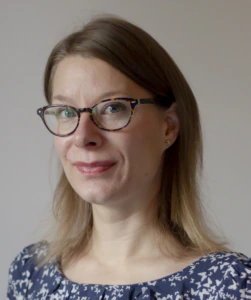
Aysha Afridi is the interim director, museums at Arts Council England