
This September marks one of the major events in the Holburne Museum’s history, as we open two galleries to display the Schroder family’s collections of Renaissance and 17th-century European art, which have been placed on permanent loan.
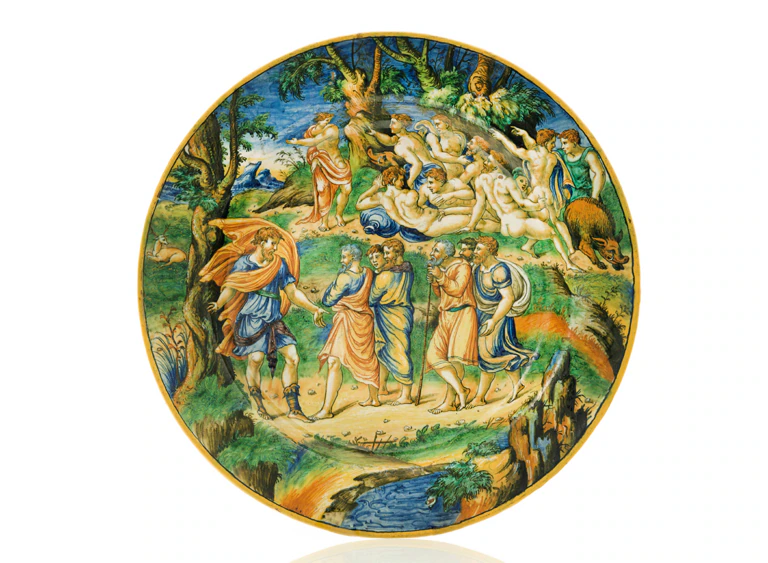
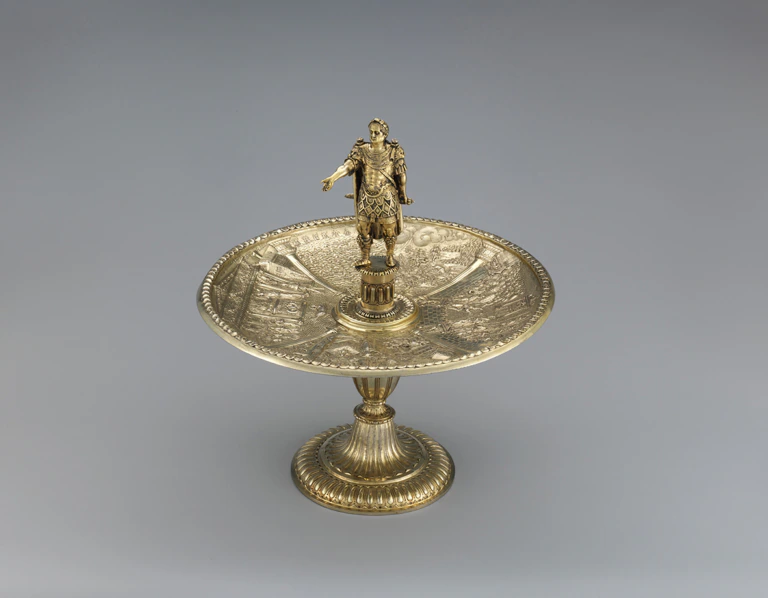
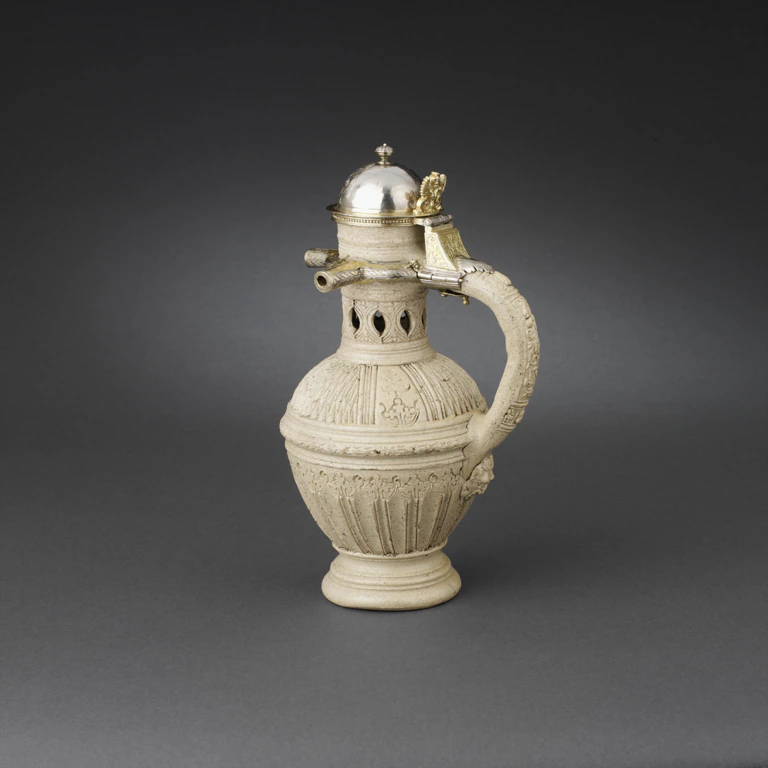
One gallery will display a collection that includes more than 100 pieces of the most extraordinary silver masterpieces of the highest and rarest quality. The Renaissance collection also includes northern European paintings, Italian sculptures and pottery, and exquisite antique gems and jewels. It is one of the finest collections of Renaissance art in private hands and we are delighted to have the opportunity to place it on public display. The second gallery will feature 17th-century paintings, largely from the Netherlands region but also including a wonderful work by French artist Claude Lorrain.
One of the major merits of this project is that it is mutually beneficial. The quality of the works in the Schroder collection will enhance the Holburne’s standing and significantly expands our offer to the public. At the same time, the lender, who wants neither to live with the responsibility of such a collection nor to hide it away in storage, gets to see the collection on public display.
The lender has completely funded the new galleries, while the Holburne has raised money elsewhere to create an appropriate context for the new displays, in the process putting more of our historic collection into the public realm. We have achieved the goal of bringing more of our landmark building into public use, while reinforcing our reputation as a place for great art.
I am especially thrilled that the collection has come to the Holburne because we can wrap our arms around it, make a full commitment and reap the benefits it brings. So often, in similar circumstances, a collector or an estate will seek to place their art at a national or larger regional collection, but that institution will – understandably and correctly – seek to cherry-pick the highlights that might improve upon their rich holdings. At a place such as the Holburne, this collection – which might have gilded the lily of the Victoria and Albert Museum, Ashmolean or Fitzwilliam – will be transformative.
It is so important that public museums and galleries continue to expand their collections. But few can do so without support from private philanthropy or such heroic organisations as the Art Fund, the Contemporary Art Society and the Acceptance in Lieu scheme.
Advertisement
In recent years, the Holburne has been on a mission to be more accessible and relevant, and we have changed our programme and tone of voice to that end. There are some who question how that strategic direction sits with the opening of a gallery of 16th-century silver. In contrast, some organisations have abandoned the idea of collecting as part of their repositioning as socially engaged institutions.
I can’t see why building collections and being socially useful can’t be compatible. The richest part of the Holburne’s eco-system is our network of creative groups working with people in our community with experience of mental health problems. All of their work is focused on the collection and reminds us that our objects can speak differently to different people in ways unimaginable to us as curators and educators. Collections can open up the imagination and individuals’ creativity in unexpected ways.
We are also conscious that the Schroder collection offers new narratives that we might tell. I am excited to realise that the Renaissance was not solely a European phenomenon, but one of nascent globalisation as goods flooded to Europe from the Middle and Far East, Africa and the Americas, not least the silver largely mined or looted from South America.
Shifting historical contexts can help position collections in a contemporary frame, but we must distinguish between works of art and historical artefacts. These pieces are portals into a past time, but they are also embodiments of extraordinary craft skills and objects of wonderful beauty.
We are committed to centring the Holburne on ideas of creativity and wellbeing, and believe that, as an art museum, to deliver on that we can explore the history of art and of objects. But we must also engage with the processes that produced such wondrous things and, most importantly, must embrace the idea that beauty and the contemplation of it is, in itself, a vital process and one of great social utility.
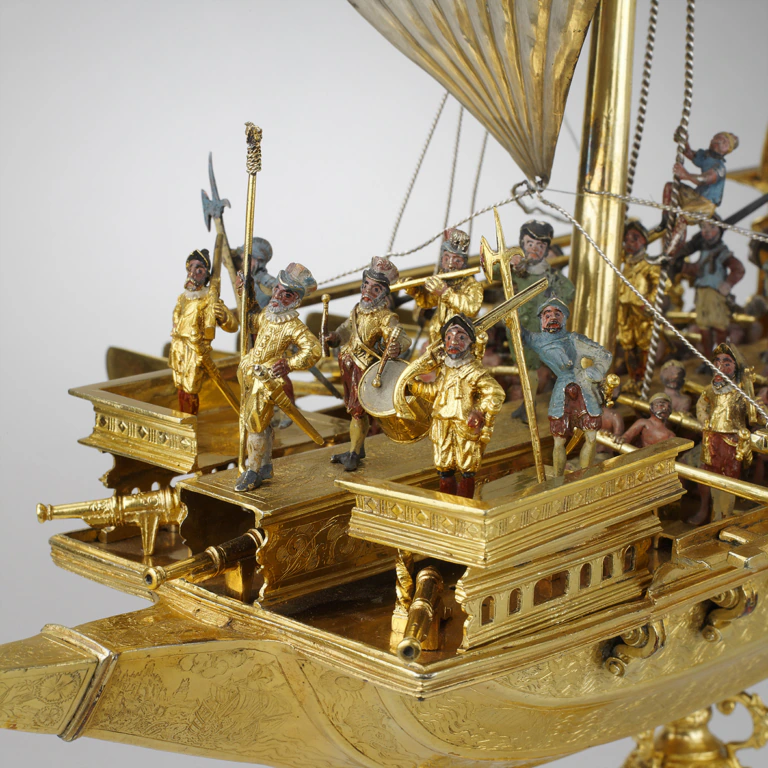
Chris Stephens is the director of the Holburne Museum, Bath. The Schwarzen-berg Nef is among the items from the Schroder family collection on permanent loan to the Holburne Museum