From one point of view, the latest Museums Association (MA) survey of cuts to museums tells a sadly predictable tale: 42% of museums have cut staff in the past year and almost a quarter have had to close whole, or parts of, sites.
A third of museums have had cuts two years in a row. The most commonly mentioned area of reduction in activity for the year ahead is research into collections; several respondents express concern about a decline in collections expertise.
However, the survey includes happier news: 36% of respondents believe that the quality of service they can provide will increase over the next year. That’s three times as many as in last year’s survey: in 2011 only 13% thought their services would improve.
In the year ahead, almost half of museums anticipate doing more audience development work and around 30% plan to increase learning and outreach.
A similar number think they will reduce the amount of outreach they do, so it’s a mixed picture. Two thirds of museums hope to increase fundraising and income generation.
Lots of museums are thinking afresh about what they do – and why they do it. And the MA board and staff have been enthusiastically debating how museums can matter more. How can museums have a bigger impact? How can they make more of a difference to individuals, communities, society and the environment?
We’re calling this work Museums 2020. In mid-July we’ll publish a discussion paper followed by workshops throughout the UK. There will be sessions at our annual conference in November and there’s discussion on the MA website, too.
I hope all Museums Journal readers will tell us what they think about the future role and impacts of museums, to help us develop a compelling vision of the sector’s future.
Everyone wants to deliver excellent services. Museums 2020 will help you think about how to do that.
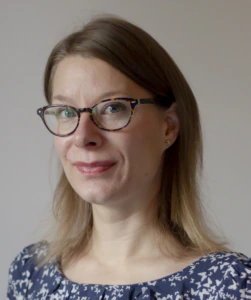
Vanessa Trevelyan is the president of the Museums Association and head of service at the Norfolk Museums and Archaeology Service
A third of museums have had cuts two years in a row. The most commonly mentioned area of reduction in activity for the year ahead is research into collections; several respondents express concern about a decline in collections expertise.
However, the survey includes happier news: 36% of respondents believe that the quality of service they can provide will increase over the next year. That’s three times as many as in last year’s survey: in 2011 only 13% thought their services would improve.
In the year ahead, almost half of museums anticipate doing more audience development work and around 30% plan to increase learning and outreach.
A similar number think they will reduce the amount of outreach they do, so it’s a mixed picture. Two thirds of museums hope to increase fundraising and income generation.
Lots of museums are thinking afresh about what they do – and why they do it. And the MA board and staff have been enthusiastically debating how museums can matter more. How can museums have a bigger impact? How can they make more of a difference to individuals, communities, society and the environment?
We’re calling this work Museums 2020. In mid-July we’ll publish a discussion paper followed by workshops throughout the UK. There will be sessions at our annual conference in November and there’s discussion on the MA website, too.
I hope all Museums Journal readers will tell us what they think about the future role and impacts of museums, to help us develop a compelling vision of the sector’s future.
Everyone wants to deliver excellent services. Museums 2020 will help you think about how to do that.
Vanessa Trevelyan is the president of the Museums Association and head of service at the Norfolk Museums and Archaeology Service