The notice at the entrance to the exhibition alerts visitors to the sensitive and potentially upsetting content of the Game of Life, the final exhibition of the Portsmouth Voices oral history project. The exhibition presents local people's experiences at a number of points in their lives from pre-school years, to being a teenager, courtship and marriage, parenthood and old age.
Within days of the exhibition opening, we had received a complaint. A mother visiting with her young daughter had objected to a number of exhibits - a sanitary-towel dispenser, condom machine and a question about abortion.
I could imagine the scenario: a mum anticipating a nice afternoon with her child at her local museum, being confronted with all this intimate and personal stuff.
The front-of-house view was that had they been more fully involved they would have alerted the project team to areas likely to cause this sort of complaint.
The project leader's view was that "as a wishy-washy liberal" father, he would have been very comfortable discussing any of the issues raised with his daughter at any age. As head of service, I momentarily questioned the wisdom of delegation.
The oral histories that underpin the Game of Life cover a broad range of issues. People describe experiences relating to clothes, music and weddings, but also experimenting with drugs, cigarettes and alcohol, cross-gender issues, being sexually abused as a child, being a surrogate mother, leaving a violent husband and losing a parent to Alzheimer's.
The recordings and videos are remarkable and very moving - ordinary people talk in a measured, matter-of-fact way about their extraordinary lives.
Three months on we have received very few complaints other than the first. Visitors are cheerfully filling in cards recording the naughtiest thing they did as a child and the visitors' book is curiously devoid of any reference to the more sensitive content.
Going back to that first morning, I wonder what were we so afraid of. Where was the risk? People see references to these issues every day in the media. Was it about not being controversial, being afraid of appearing to have a view, about negative PR? Or about a museum just not being the place to discuss these matters? It is probably a combination of all of the above.
On reflection, I'm pleased that the project team had the confidence to run with the material they had amassed through the oral history project - it would have been a betrayal of the contributors trust not to.
However, I think we failed to give the frontline team the information they needed to welcome visitors in the way they would normally. The real lesson though is that we need to learn to trust the public and be less afraid of taking risks.
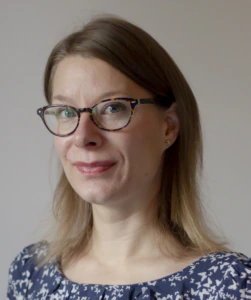
Jane Mee is the museums and records manager at Portsmouth Museums
Within days of the exhibition opening, we had received a complaint. A mother visiting with her young daughter had objected to a number of exhibits - a sanitary-towel dispenser, condom machine and a question about abortion.
I could imagine the scenario: a mum anticipating a nice afternoon with her child at her local museum, being confronted with all this intimate and personal stuff.
The front-of-house view was that had they been more fully involved they would have alerted the project team to areas likely to cause this sort of complaint.
The project leader's view was that "as a wishy-washy liberal" father, he would have been very comfortable discussing any of the issues raised with his daughter at any age. As head of service, I momentarily questioned the wisdom of delegation.
The oral histories that underpin the Game of Life cover a broad range of issues. People describe experiences relating to clothes, music and weddings, but also experimenting with drugs, cigarettes and alcohol, cross-gender issues, being sexually abused as a child, being a surrogate mother, leaving a violent husband and losing a parent to Alzheimer's.
The recordings and videos are remarkable and very moving - ordinary people talk in a measured, matter-of-fact way about their extraordinary lives.
Three months on we have received very few complaints other than the first. Visitors are cheerfully filling in cards recording the naughtiest thing they did as a child and the visitors' book is curiously devoid of any reference to the more sensitive content.
Going back to that first morning, I wonder what were we so afraid of. Where was the risk? People see references to these issues every day in the media. Was it about not being controversial, being afraid of appearing to have a view, about negative PR? Or about a museum just not being the place to discuss these matters? It is probably a combination of all of the above.
On reflection, I'm pleased that the project team had the confidence to run with the material they had amassed through the oral history project - it would have been a betrayal of the contributors trust not to.
However, I think we failed to give the frontline team the information they needed to welcome visitors in the way they would normally. The real lesson though is that we need to learn to trust the public and be less afraid of taking risks.
Jane Mee is the museums and records manager at Portsmouth Museums