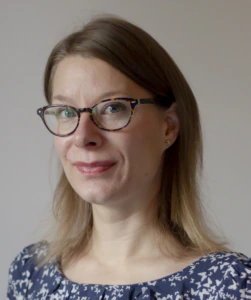
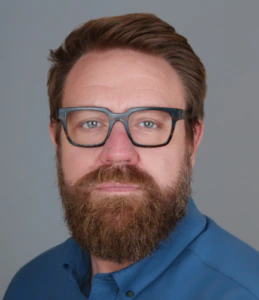
Chris Whitehead director, International Centre for Cultural and Heritage Studies, Newcastle University
"Develop an understanding of cultural policy and funding so that you know the agendas which museums and galleries are working to.
Don't pigeon-hole yourself. Instead, develop transferable skills, which allow you to work in various roles and different kinds of institution. Offering distinctive expertise and interests is crucial, as it might make you more employable than someone equally qualified.
Get hands-on experience through volunteering or via a postgraduate programme such as Newcastle University's, where project work in museums and galleries is part of the curriculum and many teaching sessions are led by sector professionals."
Christopher Lazenby HR consultant, British Museum
"Volunteering and work experience opportunities can provide an insight into working in museums. Competition for positions is high, so identify an organisation that interests you and review its values, aims and objectives to identify how well they align with your own aspirations.
Contact the museum with a proposal for how you think your own skills and experiences might be of value, and offer suggestions for the sort of projects and activities you think you could assist with to strengthen your chances of securing an opportunity.
Avoid making speculative applications and try to get to the heart of what the organisation is trying to achieve, so that you can build the case for how you might contribute to those goals."
Tom Bewick chief executive, Creative and Cultural Skills
"In a shrinking jobs market, it is ever more important to provide specific evidence that you have skills which are relevant to your prospective employers.
If you are looking to enter the sector from a different profession, try to talk to someone who works in museums about their recruitment needs. It may be that you have some skills, such as finance or IT, which are in short supply.
Try to think beyond the obvious curatorial roles. Having some work experience will be important, though as these places become more competitive, you could try and achieve something similar through a different route, such as volunteering. If you are able to do this through some work-based learning, such as the new Creative Apprenticeship, all the better."
Maggie Appleton interim chief executive, Luton Cultural Services Trust
"Employers want creative self-starters and people who can demonstrate an understanding of the wider world. So keep abreast of the current issues in museums, the wider cultural sector and beyond.
In addition to developing an area of expertise, think about how you can use opportunities around you to hone other abilities, such as working in teams, dealing with the public and managing your time. Such skills may make the difference for some employers.
Museums don't offer the 'jobs for life' they used to do - but does any profession? So if museums or galleries are really where you want to be, don't be deterred."
"Develop an understanding of cultural policy and funding so that you know the agendas which museums and galleries are working to.
Don't pigeon-hole yourself. Instead, develop transferable skills, which allow you to work in various roles and different kinds of institution. Offering distinctive expertise and interests is crucial, as it might make you more employable than someone equally qualified.
Get hands-on experience through volunteering or via a postgraduate programme such as Newcastle University's, where project work in museums and galleries is part of the curriculum and many teaching sessions are led by sector professionals."
Christopher Lazenby HR consultant, British Museum
"Volunteering and work experience opportunities can provide an insight into working in museums. Competition for positions is high, so identify an organisation that interests you and review its values, aims and objectives to identify how well they align with your own aspirations.
Contact the museum with a proposal for how you think your own skills and experiences might be of value, and offer suggestions for the sort of projects and activities you think you could assist with to strengthen your chances of securing an opportunity.
Avoid making speculative applications and try to get to the heart of what the organisation is trying to achieve, so that you can build the case for how you might contribute to those goals."
Tom Bewick chief executive, Creative and Cultural Skills
"In a shrinking jobs market, it is ever more important to provide specific evidence that you have skills which are relevant to your prospective employers.
If you are looking to enter the sector from a different profession, try to talk to someone who works in museums about their recruitment needs. It may be that you have some skills, such as finance or IT, which are in short supply.
Try to think beyond the obvious curatorial roles. Having some work experience will be important, though as these places become more competitive, you could try and achieve something similar through a different route, such as volunteering. If you are able to do this through some work-based learning, such as the new Creative Apprenticeship, all the better."
Maggie Appleton interim chief executive, Luton Cultural Services Trust
"Employers want creative self-starters and people who can demonstrate an understanding of the wider world. So keep abreast of the current issues in museums, the wider cultural sector and beyond.
In addition to developing an area of expertise, think about how you can use opportunities around you to hone other abilities, such as working in teams, dealing with the public and managing your time. Such skills may make the difference for some employers.
Museums don't offer the 'jobs for life' they used to do - but does any profession? So if museums or galleries are really where you want to be, don't be deterred."