Play is generally agreed to be a fundamental right for children, but experts often disagree on what form play should take and how to get the best out of it. And does play have a place in museums and galleries?
With the government about to respond to the consultation on the National Play Strategy, and the interim feedback from the Rose review of primary education suggesting exploratory play should be part of the key stage 1 curriculum, should museums be taking a more proactive role in promoting the value of play? Or are museums strictly formal learning environments?
In the past 16 years, Eureka, The Museum for Children, has engaged almost 5 million children and families in learning through play. With the freedom it brings to imagine and dream, play is valuable and important in its own right. It is a fundamental childhood need and joy.
Collectively, children's museums advocate the principle that play is critical to young people's overall development, believing that we can most effectively foster their acquisition of knowledge and understanding of the world by supporting their active involvement with people, materials and ideas.
But play is also a serious business. It feeds the spark of curiosity and enquiry within every child. You need spend only a few minutes in Eureka's Living and Working Together gallery to witness the amount of energy expended by role-playing children going to the bank, shopping and posting their mail.
To capitalise on this propensity for play, we need to provide access to environments that support curiosity, wonder and puzzlement, and are filled with activities and rich with learning opportunities.
Through play, children are able to explore their individuality and build confidence and resourcefulness - qualities as necessary to fulfilment in childhood as in adult life.
This is why I believe there is a place for play in all museums. It has been well researched that from birth, children have a natural thirst for knowledge and curiosity that needs satisfying - and that providing playful experiences is the most obvious way for feeding this.
At Eureka we believe that this need for play does not end when children move into key stage 1, and that the national curriculum need not be a constraint on playful experiences. Over the past year we have ensured that all our educational visits have a playful feel to them, which was supported by our teacher consultation group.
We live in a target-driven society and I believe that we have forgotten the importance of play for children's development. I am hopeful that this is a time of change. We should remember that one of the most valuable aspects of playful learning is that children develop more positive attitudes toward the learning process.
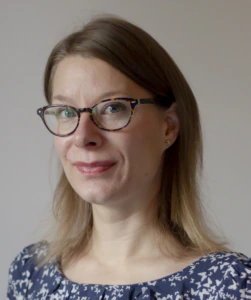
Rebecca Johnson is the play and learning director at Eureka, Halifax
With the government about to respond to the consultation on the National Play Strategy, and the interim feedback from the Rose review of primary education suggesting exploratory play should be part of the key stage 1 curriculum, should museums be taking a more proactive role in promoting the value of play? Or are museums strictly formal learning environments?
In the past 16 years, Eureka, The Museum for Children, has engaged almost 5 million children and families in learning through play. With the freedom it brings to imagine and dream, play is valuable and important in its own right. It is a fundamental childhood need and joy.
Collectively, children's museums advocate the principle that play is critical to young people's overall development, believing that we can most effectively foster their acquisition of knowledge and understanding of the world by supporting their active involvement with people, materials and ideas.
But play is also a serious business. It feeds the spark of curiosity and enquiry within every child. You need spend only a few minutes in Eureka's Living and Working Together gallery to witness the amount of energy expended by role-playing children going to the bank, shopping and posting their mail.
To capitalise on this propensity for play, we need to provide access to environments that support curiosity, wonder and puzzlement, and are filled with activities and rich with learning opportunities.
Through play, children are able to explore their individuality and build confidence and resourcefulness - qualities as necessary to fulfilment in childhood as in adult life.
This is why I believe there is a place for play in all museums. It has been well researched that from birth, children have a natural thirst for knowledge and curiosity that needs satisfying - and that providing playful experiences is the most obvious way for feeding this.
At Eureka we believe that this need for play does not end when children move into key stage 1, and that the national curriculum need not be a constraint on playful experiences. Over the past year we have ensured that all our educational visits have a playful feel to them, which was supported by our teacher consultation group.
We live in a target-driven society and I believe that we have forgotten the importance of play for children's development. I am hopeful that this is a time of change. We should remember that one of the most valuable aspects of playful learning is that children develop more positive attitudes toward the learning process.
Rebecca Johnson is the play and learning director at Eureka, Halifax