The launch of Collections for the Future this month is the end of 18 months' work for the Museums Association (MA). But it is also the start of something, since the report commits the MA to further action in several areas, in partnership with other organisations.
We see Collections for the Future shaping a significant strand of the MA's work for a number of years. And we very much hope that the report will also have an impact on the work of every part of the UK museum sector over that time.
That is a fairly bold ambition for a report that does not come with funding at this stage, or even with proposals for large-scale structural change. The MA is talking to a range of funders about possible pilot projects; we recognise the need for funding to bring about certain changes to working practices.
And some of the commitments to further action could have a significant impact on the policy framework for museums and on the support available to them. But it is the case that, if Collections for the Future is to make a difference, then individual museums and the people who work in them will have to embrace its suggestions for change.
We believe that the lengthy inquiry process that led up to the production of the report gives the MA the mandate it needs to recommend change in many areas. A steering group and two working groups, with representatives from across the UK museums sector and beyond, began debating the issues early last year.
Based on their discussions, the MA published a consultation paper in summer 2004, which was very widely debated. Altogether, more than 500 people shared their opinions and insights with the MA, either by contributing to a written response, or attending a consultation event.
Collections for the Future reflects the range of views expressed during the consultation. We recognise that not everyone will agree with everything that it says. The report's recommendations diverge from some of the views expressed during the consultation because there is not yet a consensus about certain key issues.
To take just two examples, some respondents argued that museums did not need new approaches to collections, but rather needed new resources to enable them to do the kinds of things they already do - but more and better. And some, including at least one member of the steering group, were implacably opposed to any attempt to encourage more disposals.
Other respondents argued the opposite in both these cases and, while the report is certainly not dismissive of anyone's views, the MA has chosen to argue that additional resources are not the only answer and that more museums should take a more concerted approach to disposal.
So while the report aims to encourage changes to practice sooner rather than later in some areas, in others its main ambition is to move thinking forward and to edge the sector nearer to a consensus, through ongoing debate and pilot projects. Museums need to come together around a vision for the future of their collections, and we hope that Collections for the Future will be an important step along the way.
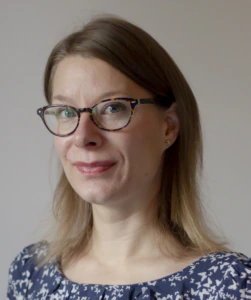
Helen Wilkinson is the policy
officer of the MA and author of Collections for the Future
We see Collections for the Future shaping a significant strand of the MA's work for a number of years. And we very much hope that the report will also have an impact on the work of every part of the UK museum sector over that time.
That is a fairly bold ambition for a report that does not come with funding at this stage, or even with proposals for large-scale structural change. The MA is talking to a range of funders about possible pilot projects; we recognise the need for funding to bring about certain changes to working practices.
And some of the commitments to further action could have a significant impact on the policy framework for museums and on the support available to them. But it is the case that, if Collections for the Future is to make a difference, then individual museums and the people who work in them will have to embrace its suggestions for change.
We believe that the lengthy inquiry process that led up to the production of the report gives the MA the mandate it needs to recommend change in many areas. A steering group and two working groups, with representatives from across the UK museums sector and beyond, began debating the issues early last year.
Based on their discussions, the MA published a consultation paper in summer 2004, which was very widely debated. Altogether, more than 500 people shared their opinions and insights with the MA, either by contributing to a written response, or attending a consultation event.
Collections for the Future reflects the range of views expressed during the consultation. We recognise that not everyone will agree with everything that it says. The report's recommendations diverge from some of the views expressed during the consultation because there is not yet a consensus about certain key issues.
To take just two examples, some respondents argued that museums did not need new approaches to collections, but rather needed new resources to enable them to do the kinds of things they already do - but more and better. And some, including at least one member of the steering group, were implacably opposed to any attempt to encourage more disposals.
Other respondents argued the opposite in both these cases and, while the report is certainly not dismissive of anyone's views, the MA has chosen to argue that additional resources are not the only answer and that more museums should take a more concerted approach to disposal.
So while the report aims to encourage changes to practice sooner rather than later in some areas, in others its main ambition is to move thinking forward and to edge the sector nearer to a consensus, through ongoing debate and pilot projects. Museums need to come together around a vision for the future of their collections, and we hope that Collections for the Future will be an important step along the way.
Helen Wilkinson is the policy
officer of the MA and author of Collections for the Future