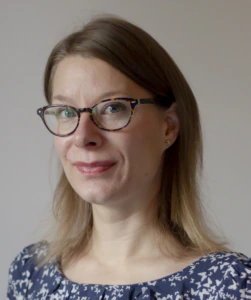
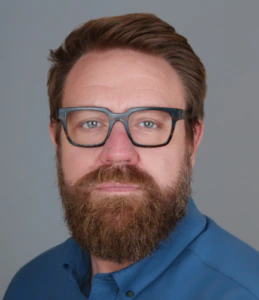
Alec Coles director, Tyne and Wear Museums
"The review should address the effectiveness of the Renaissance programme in delivering excellent and improving services to an increasing range of users.
I hope that the recent dropping of the "in the Regions" epithet does not reflect a change in emphasis, although it is important that the review takes into account regional variation.
The review must confuse neither efficiency with effectiveness, nor inputs with impact. Above all, it must be true to the philosophy of the original programme and focus on meeting the needs and aspirations of audiences, rather than those of the sector. Renaissance has been a success: the review must ensure that we build on that success."
Keith Merrin director, Woodhorn Museum and Archives, Northumberland
"The review should look beyond the headline statistics on visits, to whether Renaissance has actually contributed to a more sustainable museum sector.
My concern is that too much of the funding and effort has been directed at achieving short-term objectives to increase numbers at hub museums and too little on addressing long-term sustainability issues affecting all museums.
Renaissance should bring the sector together to think about new ways of working so museums can thrive in a changing social, economic and political landscape. In my experience much of the innovation in service delivery and new business models is being driven by non-hub museums and is often despite Renaissance rather than as a result of it."
Alison Bevan director, Penlee House Gallery and Museum, Penzanze
"For Renaissance to live up to its name, hubs should become recognised 'one stop shops' for advice and practical help for smaller museums, which is desperately needed.
It is vital, however, not to lose sight of Renaissance's original intent: revitalising and securely funding the country's major museums, so that their important collections are safeguarded for the future and used in inspiring ways.
The hubs need to continue developing their own expertise and improving the care and display of their collections, so that they truly become beacons of excellence, in tandem with giving smaller museums at least the same level of support as they were previously receiving from other sources, preferably more."
Emma Warren curator, Chertsey Museum, Surrey
"The review should find a way to dovetail more with other organisations supporting heritage across regions, particularly county councils.
In Surrey there are a number of small, volunteer-run museums who are not Accredited and therefore are unable to take advantage of MDOs and the advice and support they can give.
Surrey county council employs staff who also support the museums in the county. Museums sometimes feel confused about where to turn for advice and, having tried different models, I think that an integrated delivery of services works well, linking Renaissance-funded activities and priorities with those of other agencies, which ensures that all museums have the support they need."
"The review should address the effectiveness of the Renaissance programme in delivering excellent and improving services to an increasing range of users.
I hope that the recent dropping of the "in the Regions" epithet does not reflect a change in emphasis, although it is important that the review takes into account regional variation.
The review must confuse neither efficiency with effectiveness, nor inputs with impact. Above all, it must be true to the philosophy of the original programme and focus on meeting the needs and aspirations of audiences, rather than those of the sector. Renaissance has been a success: the review must ensure that we build on that success."
Keith Merrin director, Woodhorn Museum and Archives, Northumberland
"The review should look beyond the headline statistics on visits, to whether Renaissance has actually contributed to a more sustainable museum sector.
My concern is that too much of the funding and effort has been directed at achieving short-term objectives to increase numbers at hub museums and too little on addressing long-term sustainability issues affecting all museums.
Renaissance should bring the sector together to think about new ways of working so museums can thrive in a changing social, economic and political landscape. In my experience much of the innovation in service delivery and new business models is being driven by non-hub museums and is often despite Renaissance rather than as a result of it."
Alison Bevan director, Penlee House Gallery and Museum, Penzanze
"For Renaissance to live up to its name, hubs should become recognised 'one stop shops' for advice and practical help for smaller museums, which is desperately needed.
It is vital, however, not to lose sight of Renaissance's original intent: revitalising and securely funding the country's major museums, so that their important collections are safeguarded for the future and used in inspiring ways.
The hubs need to continue developing their own expertise and improving the care and display of their collections, so that they truly become beacons of excellence, in tandem with giving smaller museums at least the same level of support as they were previously receiving from other sources, preferably more."
Emma Warren curator, Chertsey Museum, Surrey
"The review should find a way to dovetail more with other organisations supporting heritage across regions, particularly county councils.
In Surrey there are a number of small, volunteer-run museums who are not Accredited and therefore are unable to take advantage of MDOs and the advice and support they can give.
Surrey county council employs staff who also support the museums in the county. Museums sometimes feel confused about where to turn for advice and, having tried different models, I think that an integrated delivery of services works well, linking Renaissance-funded activities and priorities with those of other agencies, which ensures that all museums have the support they need."