What makes a museum different from the other information sources now available? How can we justify investment in something that looks to the past in an ever more fast-moving and forward-looking world?
The stock answer has always been that museums hold objects, and that there is nothing like the experience of the "real thing". But how does this equate to the new realities of information and data on demand delivered in high quality across the globe to a visually literate mass market used to high-impact technological experiences?
This could lead our more traditional museum colleagues into a state of anxiety. The collection of a lifetime of knowledge and experience without the means to impart that in a way relevant to new audiences is bound to cause stress. The challenge is how to put forward complex ideas in a simple language.
When equal access to information is available to all, it becomes the selection of that information which starts to mark us out as individuals. The kind of information we associate ourselves with becomes part of our identity.
In museums, we need to encourage this self selection, and Recognition is starting to fund projects that enable us to provide the range of information to form a "menu".
The rise in visits to Tate Modern and other national museums can be for the ability to say "been there, done that" and to show that you share certain values, rather than a quest for information. But without the availability of information, the meaning of that experience changes.
Museums are different from other institutions because they hold objects. But unless we engage our audiences in meaningful ways, we will lose ground, and ultimately forgo the investment needed to keep up with the pace of change in our digital world.
We must offer accessible buildings and experiences where people are welcomed and involved. We must appeal to human senses, and audiences should be engaged through emotional attachment - recognising themselves through the collections.
As museum professionals, we should not assume that audiences will find things of interest just because we do. We must create experiences that stimulate social interaction and debate, and allow the sharing of ideas.
We should resist laying out all the knowledge available in favour of allowing space for new knowledge and perspectives to form and grow, and then collect and reinterpret that new knowledge.
Museums must be made places that become part of people's identity. It is people and their ideas and knowledge that give objects meaning. Museums have to be about great collections and interesting information, but also about listening to people.
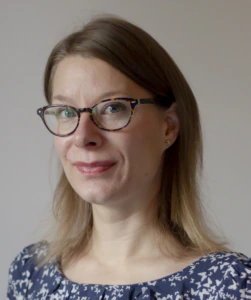
John Stewart-Young is the heritage manager at Dundee City Council
The stock answer has always been that museums hold objects, and that there is nothing like the experience of the "real thing". But how does this equate to the new realities of information and data on demand delivered in high quality across the globe to a visually literate mass market used to high-impact technological experiences?
This could lead our more traditional museum colleagues into a state of anxiety. The collection of a lifetime of knowledge and experience without the means to impart that in a way relevant to new audiences is bound to cause stress. The challenge is how to put forward complex ideas in a simple language.
When equal access to information is available to all, it becomes the selection of that information which starts to mark us out as individuals. The kind of information we associate ourselves with becomes part of our identity.
In museums, we need to encourage this self selection, and Recognition is starting to fund projects that enable us to provide the range of information to form a "menu".
The rise in visits to Tate Modern and other national museums can be for the ability to say "been there, done that" and to show that you share certain values, rather than a quest for information. But without the availability of information, the meaning of that experience changes.
Museums are different from other institutions because they hold objects. But unless we engage our audiences in meaningful ways, we will lose ground, and ultimately forgo the investment needed to keep up with the pace of change in our digital world.
We must offer accessible buildings and experiences where people are welcomed and involved. We must appeal to human senses, and audiences should be engaged through emotional attachment - recognising themselves through the collections.
As museum professionals, we should not assume that audiences will find things of interest just because we do. We must create experiences that stimulate social interaction and debate, and allow the sharing of ideas.
We should resist laying out all the knowledge available in favour of allowing space for new knowledge and perspectives to form and grow, and then collect and reinterpret that new knowledge.
Museums must be made places that become part of people's identity. It is people and their ideas and knowledge that give objects meaning. Museums have to be about great collections and interesting information, but also about listening to people.
John Stewart-Young is the heritage manager at Dundee City Council