Tutankhamun and the Golden Age of the Pharaohs opens at the O2 Dome this month and the exhibition's predicted visitor figures leave little doubt that ancient Egypt pulls the crowds in. But beyond the hype of a major blockbuster, what areas of Egyptology are people actually interested in?
I believe audience demands are changing and Egyptology exhibitions need to offer more than just sparkle. Some institutions such as the British Museum are attempting to do this through displays on daily life in ancient Egypt, but it is death that still wins out as the subject that engages visitors.
Curators and designers need to think differently, but where can they turn for a fresh approach? The views of today's Egyptians on their ancient history and portrayal in the west is the best place to look.
Having recently returned from six months research in Egypt, and after talking with everyone from museum curators to taxi drivers, I believe we cannot justify the exclusion of modern Egyptian perspectives. With tourism invariably linked to Egypt's economic prospects, it is no exaggeration to say that ancient Egypt has a material impact on the life of every contemporary Egyptian.
This is not just a mercenary relationship. I asked Zahi Hawass, the secretary general of the Supreme Council of Antiquities, how modern Egyptians view their ancient past.
"When I moved the statue of Rameses II, five million people walked the streets of Cairo with us," he said. "Ancient Egypt is part of everyone and it is important to understand it and the role it plays in our identity."
Egyptians from diverse backgrounds want a living, breathing Egypt, past and present, to create meaningful interpretations in western museums. Even though some Egyptians do demand the return of certain items from our collections, the prevailing opinion is that museums help to keep Egypt in people's minds in the west and that modern Egyptian perspectives are needed.
Tamer, a young shopkeeper in Luxor, articulated this best, saying: "As an Egyptian I want to exist every place in the world. I am there from 5,000 years ago, but there is nothing of me today."
Ancient Egypt is perhaps the most iconic and stereotyped of all ancient cultures, and the modern Egyptian touch is just what our exhibitions need to transcend their colonial origins. Different cultures have different modes of thought and by provoking alternate views and creating stronger relations between modern Egyptians and western audiences, stereotypes, both ancient and modern, can be addressed.
By recognising the legitimate perspectives of modern Egyptians on their ancient history, Egyptology exhibitions will begin to find an appropriate voice for today and enhance their communicative potential for the future.
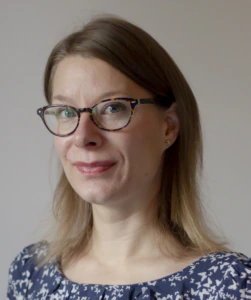
Gemma Tully is a community archaeologist and doctoral student at Southampton University
I believe audience demands are changing and Egyptology exhibitions need to offer more than just sparkle. Some institutions such as the British Museum are attempting to do this through displays on daily life in ancient Egypt, but it is death that still wins out as the subject that engages visitors.
Curators and designers need to think differently, but where can they turn for a fresh approach? The views of today's Egyptians on their ancient history and portrayal in the west is the best place to look.
Having recently returned from six months research in Egypt, and after talking with everyone from museum curators to taxi drivers, I believe we cannot justify the exclusion of modern Egyptian perspectives. With tourism invariably linked to Egypt's economic prospects, it is no exaggeration to say that ancient Egypt has a material impact on the life of every contemporary Egyptian.
This is not just a mercenary relationship. I asked Zahi Hawass, the secretary general of the Supreme Council of Antiquities, how modern Egyptians view their ancient past.
"When I moved the statue of Rameses II, five million people walked the streets of Cairo with us," he said. "Ancient Egypt is part of everyone and it is important to understand it and the role it plays in our identity."
Egyptians from diverse backgrounds want a living, breathing Egypt, past and present, to create meaningful interpretations in western museums. Even though some Egyptians do demand the return of certain items from our collections, the prevailing opinion is that museums help to keep Egypt in people's minds in the west and that modern Egyptian perspectives are needed.
Tamer, a young shopkeeper in Luxor, articulated this best, saying: "As an Egyptian I want to exist every place in the world. I am there from 5,000 years ago, but there is nothing of me today."
Ancient Egypt is perhaps the most iconic and stereotyped of all ancient cultures, and the modern Egyptian touch is just what our exhibitions need to transcend their colonial origins. Different cultures have different modes of thought and by provoking alternate views and creating stronger relations between modern Egyptians and western audiences, stereotypes, both ancient and modern, can be addressed.
By recognising the legitimate perspectives of modern Egyptians on their ancient history, Egyptology exhibitions will begin to find an appropriate voice for today and enhance their communicative potential for the future.
Gemma Tully is a community archaeologist and doctoral student at Southampton University