Although the appointed Gulbenkian award judges made all the important decisions, it was my role at the foundation to work alongside the prize's administrator and trustees to trawl through the first tranche of applications, discarding those that were ineligible or weak, and giving a first-impression report on the others.
Let's start by eliminating the negative. My greatest surprise was that a regrettable number demonstrated a deplorably poor level of visual awareness. I wonder how symptomatic this is of a sector that has traditionally attracted people who are confident with the written word, but abashed when it comes to visual literacy?
Some appeared to think they should spice things up and adopt a showbiz approach with tacky leaflets in primary colours and olde-worlde typefaces. Others had brought in an all-purpose design aesthetic that seemed out of kilter with the collection on offer, all glossy polyurethane cases and idiot-proof labelling.
Many photographs sent in had the same mind-numbing scenarios: mystified visitors staring at cases dominated by scary wax models of pirates or clog-makers. Then there was the ubiquitous "child doing something on computer" and, a favourite, giggling girls in all-purpose mob-caps, pinnies and shawls, and boys in cloth caps and plastic-leather waistcoats. Surely museums should provide the last word on historical authenticity, rather than a vague exercise in am-dram?
Written applications lost points for the use of mindless jargon such as "outcomes", "key inclusivity strategies" and "meeting KS3 targets". Projects boasting they could achieve the impossible - "solving global warming issues" - were also marked down.
Large museums have been as fallible as small ones. I was particular wary of applications that had been put together by a development department that saw the prize as fundraising booty, sending in an all-purpose funding application ("exciting!" and "unique!").
The successful applications were those that leapt off the page for being simply expressed, yet full of energy, focus and integrity. They made no impossible claims, but there seemed to be some creative thinking at work, whether from a passionate individual curator in a large organisation or a team of earnest volunteers in a small one, often presenting clever ways of using existing resources or introducing ideas that none of us had heard before.
Visual images were inventive and enticing. Combined, the written application and the pictures inspired assessors to visit for their own pleasure, let alone for the purpose of prize assessment.
One of the most important aims of the prize is to raise the level of inventiveness in the sector and I am pleased to say that there are some genuinely imaginative thinkers out there. Those that rise to the top need to give the judges a lot to argue over. The prize is a valuable one and it deserves a high level of application in all senses.
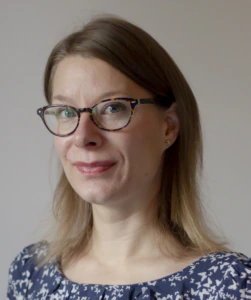
Sian Ede is the arts director of the Gulbenkian Foundation, which has supported the Gulbenkian Prize for Museums and Galleries over the past five years.
The new sponsor is the Art Fund. Details at www.artfundprize.org.uk - the closing date for applications is 2 November
Let's start by eliminating the negative. My greatest surprise was that a regrettable number demonstrated a deplorably poor level of visual awareness. I wonder how symptomatic this is of a sector that has traditionally attracted people who are confident with the written word, but abashed when it comes to visual literacy?
Some appeared to think they should spice things up and adopt a showbiz approach with tacky leaflets in primary colours and olde-worlde typefaces. Others had brought in an all-purpose design aesthetic that seemed out of kilter with the collection on offer, all glossy polyurethane cases and idiot-proof labelling.
Many photographs sent in had the same mind-numbing scenarios: mystified visitors staring at cases dominated by scary wax models of pirates or clog-makers. Then there was the ubiquitous "child doing something on computer" and, a favourite, giggling girls in all-purpose mob-caps, pinnies and shawls, and boys in cloth caps and plastic-leather waistcoats. Surely museums should provide the last word on historical authenticity, rather than a vague exercise in am-dram?
Written applications lost points for the use of mindless jargon such as "outcomes", "key inclusivity strategies" and "meeting KS3 targets". Projects boasting they could achieve the impossible - "solving global warming issues" - were also marked down.
Large museums have been as fallible as small ones. I was particular wary of applications that had been put together by a development department that saw the prize as fundraising booty, sending in an all-purpose funding application ("exciting!" and "unique!").
The successful applications were those that leapt off the page for being simply expressed, yet full of energy, focus and integrity. They made no impossible claims, but there seemed to be some creative thinking at work, whether from a passionate individual curator in a large organisation or a team of earnest volunteers in a small one, often presenting clever ways of using existing resources or introducing ideas that none of us had heard before.
Visual images were inventive and enticing. Combined, the written application and the pictures inspired assessors to visit for their own pleasure, let alone for the purpose of prize assessment.
One of the most important aims of the prize is to raise the level of inventiveness in the sector and I am pleased to say that there are some genuinely imaginative thinkers out there. Those that rise to the top need to give the judges a lot to argue over. The prize is a valuable one and it deserves a high level of application in all senses.
Sian Ede is the arts director of the Gulbenkian Foundation, which has supported the Gulbenkian Prize for Museums and Galleries over the past five years.
The new sponsor is the Art Fund. Details at www.artfundprize.org.uk - the closing date for applications is 2 November