Eighteen months ago in Museums Journal we launched the Proud Nation Survey and, as a result, we now have a very clear analysis of the challenges of dealing with lesbian, gay, bisexual and transgender (LGBT) history and how best to tackle these challenges.
Some of the challenges are cultural and interpretative. If gender and sexuality are social constructs, then one has to consider when to apply the terms denoting our identity (lesbian, gay, bisexual and transgender) and when to use language which does not impose on people who lived in an earlier social or cultural context.
For centuries, lesbians and gay men have been moving from where they grew up to create a physical space in which they can explore same sex desire and/or love. This has important implications for local history, and creates a unique relationship between local, regional and national history.
Some local institutions have a very limited selection of artefacts so we have come up with a mechanism that will enable these institutions to place their holdings in context within a national online, interactive and accessible archive - the Proud Nation Archive.
There are unique challenges associated with working with LGBT people today. But the core, and most disturbing, aspects of our findings relate to the museum sector itself.
Very few museums or galleries have really addressed the enormity of their failure to properly collect, frame and interpret the lives and experience of LGBT people. Decades of homophobia still pervade - not necessarily because individual staff are homophobic but because of an institutional failure.
There are those who that have conducted very successful, praiseworthy short-term projects, but which nonetheless felt obliged to allow staff to excuse themselves from working on the project or placed the exhibit away from the main thoroughfare. Some heterosexual museum staff have reported experiencing homophobia and a begrudged attitude from colleagues that shocked them.
The number of institutions that have integrated adequate or any LGBT material into their permanent exhibitions still remains extremely low. Some respondents to our survey, readers of this magazine, were even overtly homophobic.
How often are minority histories set in competition with each other? Is it right to misuse the need to address black history by making it a fig leaf to explain the failure to respect the experience of LGBT people?
How can the interactions between minority histories be addressed? What's needed is leadership. Where is the input from the Museums, Libraries and Archives Council and the cultural leadership programme?
So far they have failed to show any commitment to this issue. It is time for a real commitment to change. So, here is our challenge to the sector: sign up to the Proud Manifesto. We want as many people, and organisations, to adopt it and deploy it in their internal planning and their public communications. Let's move forward - together.
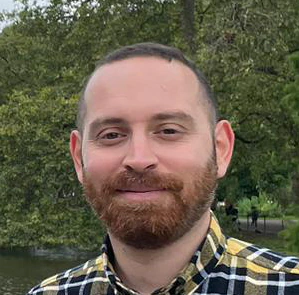
Jack Gilbert is the executive director of Proud Heritage
Organisations and individuals can sign up to the Proud Manifesto online at www.proudheritage.org/
Some of the challenges are cultural and interpretative. If gender and sexuality are social constructs, then one has to consider when to apply the terms denoting our identity (lesbian, gay, bisexual and transgender) and when to use language which does not impose on people who lived in an earlier social or cultural context.
For centuries, lesbians and gay men have been moving from where they grew up to create a physical space in which they can explore same sex desire and/or love. This has important implications for local history, and creates a unique relationship between local, regional and national history.
Some local institutions have a very limited selection of artefacts so we have come up with a mechanism that will enable these institutions to place their holdings in context within a national online, interactive and accessible archive - the Proud Nation Archive.
There are unique challenges associated with working with LGBT people today. But the core, and most disturbing, aspects of our findings relate to the museum sector itself.
Very few museums or galleries have really addressed the enormity of their failure to properly collect, frame and interpret the lives and experience of LGBT people. Decades of homophobia still pervade - not necessarily because individual staff are homophobic but because of an institutional failure.
There are those who that have conducted very successful, praiseworthy short-term projects, but which nonetheless felt obliged to allow staff to excuse themselves from working on the project or placed the exhibit away from the main thoroughfare. Some heterosexual museum staff have reported experiencing homophobia and a begrudged attitude from colleagues that shocked them.
The number of institutions that have integrated adequate or any LGBT material into their permanent exhibitions still remains extremely low. Some respondents to our survey, readers of this magazine, were even overtly homophobic.
How often are minority histories set in competition with each other? Is it right to misuse the need to address black history by making it a fig leaf to explain the failure to respect the experience of LGBT people?
How can the interactions between minority histories be addressed? What's needed is leadership. Where is the input from the Museums, Libraries and Archives Council and the cultural leadership programme?
So far they have failed to show any commitment to this issue. It is time for a real commitment to change. So, here is our challenge to the sector: sign up to the Proud Manifesto. We want as many people, and organisations, to adopt it and deploy it in their internal planning and their public communications. Let's move forward - together.
Jack Gilbert is the executive director of Proud Heritage
Organisations and individuals can sign up to the Proud Manifesto online at www.proudheritage.org/