If the relationship between historic houses and the mainstream museum sector is likened to a matrimonial journey, the aloof, awkward days of adolescence have passed. After much flirting, an engagement has been announced. The National Trust has just become the largest accredited museum authority in the country.
The October publication of our briefing, Museums: Policy from Practice, clearly demonstrates a commitment to engage in the future challenges facing the sector.
Like all good relationships, the partners must make an effort to mature. This assertion is borne out by survey results published recently by Museums, Libraries and Archives South East that measured the take up among the area's 237 non-hub registered museums of initiatives supported by the Renaissance in the Regions programme.
These included grants, training, engagement with museum development officers, use of or contribution to skills banks and other initiatives. Of the 25 National Trust-registered museums, only 48 per cent had engaged. Yet local authority, independent and armed services museums all managed an engagement level of more than 90 per cent.
Statistics can mislead and this sample is not indicative of the national picture, where levels of interaction vary. Nor does the National Trust necessarily need to take all that is on offer. In-house customer service training means staff are unlikely to seek similar training elsewhere, for example. In some areas engagement is flourishing, but why is the take-up patchy?
Part of the answer concerns perceptions, both internal and external. When I joined the staff of the National Trust I was told that we definitely did not run museums.
Today, this view is rare. There is a strong realisation that the entire ensemble of objects, buildings, gardens, landscapes, and the social and cultural networks they are part of constitute a very live and relevant museum holding - indeed, 8.5 per cent of the country's registered museums. There is a historic perception that we have stood apart, but that view should now be challenged.
The trust could and should be chasing more of the available grants, but in the past has avoided doing so because of a fear of depriving small independent museums of money.
But the money that the regional branches of the Museums, Libraries and Archives Council (MLA) have available is determined proportionally by the number of registered museums within each region, and so every registered museum is entitled to apply.
These grants can make a difference. The trust is not an instrument of the state, but a charity independent of government that must, like everyone else, live by those difficult choices that accompany the realities of economic viability and sustainability.
Capacity is also a problem. The trust has been unable to join, or has withdrawn from successful initiatives, because it doesn't have the staff. A regional curator is responsible for an extensive and varied portfolio stretching across several counties rather than a single collection. But these problems can be resolved through more targeted engagement.
Dialogue with local museum development officers will identify reciprocal training needs and establish contact with relevant MLA staff as well as regional, county museum and subject specialist groups, and individual local museums.
In several regions staff have successfully tapped into the small grants scheme to fund conservation and documentation projects. Staff in the West Midlands have worked with the Birmingham hub to develop joint training programmes, and partnerships can help spread costs.
These actions are not just a mercenary marriage of convenience, but a sound foundation for a deeper understanding and enhanced
relationship between the National Trust and the wider museum sector.
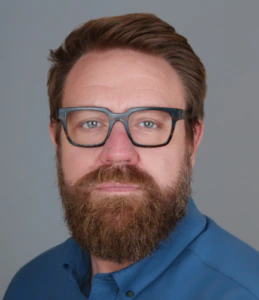
Charles Pugh is the curator and historic properties adviser for the National Trust, Thames and Solent region
The October publication of our briefing, Museums: Policy from Practice, clearly demonstrates a commitment to engage in the future challenges facing the sector.
Like all good relationships, the partners must make an effort to mature. This assertion is borne out by survey results published recently by Museums, Libraries and Archives South East that measured the take up among the area's 237 non-hub registered museums of initiatives supported by the Renaissance in the Regions programme.
These included grants, training, engagement with museum development officers, use of or contribution to skills banks and other initiatives. Of the 25 National Trust-registered museums, only 48 per cent had engaged. Yet local authority, independent and armed services museums all managed an engagement level of more than 90 per cent.
Statistics can mislead and this sample is not indicative of the national picture, where levels of interaction vary. Nor does the National Trust necessarily need to take all that is on offer. In-house customer service training means staff are unlikely to seek similar training elsewhere, for example. In some areas engagement is flourishing, but why is the take-up patchy?
Part of the answer concerns perceptions, both internal and external. When I joined the staff of the National Trust I was told that we definitely did not run museums.
Today, this view is rare. There is a strong realisation that the entire ensemble of objects, buildings, gardens, landscapes, and the social and cultural networks they are part of constitute a very live and relevant museum holding - indeed, 8.5 per cent of the country's registered museums. There is a historic perception that we have stood apart, but that view should now be challenged.
The trust could and should be chasing more of the available grants, but in the past has avoided doing so because of a fear of depriving small independent museums of money.
But the money that the regional branches of the Museums, Libraries and Archives Council (MLA) have available is determined proportionally by the number of registered museums within each region, and so every registered museum is entitled to apply.
These grants can make a difference. The trust is not an instrument of the state, but a charity independent of government that must, like everyone else, live by those difficult choices that accompany the realities of economic viability and sustainability.
Capacity is also a problem. The trust has been unable to join, or has withdrawn from successful initiatives, because it doesn't have the staff. A regional curator is responsible for an extensive and varied portfolio stretching across several counties rather than a single collection. But these problems can be resolved through more targeted engagement.
Dialogue with local museum development officers will identify reciprocal training needs and establish contact with relevant MLA staff as well as regional, county museum and subject specialist groups, and individual local museums.
In several regions staff have successfully tapped into the small grants scheme to fund conservation and documentation projects. Staff in the West Midlands have worked with the Birmingham hub to develop joint training programmes, and partnerships can help spread costs.
These actions are not just a mercenary marriage of convenience, but a sound foundation for a deeper understanding and enhanced
relationship between the National Trust and the wider museum sector.
Charles Pugh is the curator and historic properties adviser for the National Trust, Thames and Solent region