Prime Minister Gordon Brown believes that what is wrong with the current approach to multiculturalism is its over-emphasis on separateness at the cost of unity. He wants a Britain that is defined not by ethnicity, but by common values and shared interests.
The former culture minister David Lammy echoed these concerns at the launch of Museums and Galleries Month in May and at the Archives Awareness Conference in April.
He emphasised the central role he sees for museums in supporting discussions around identity, and the need to tell interweaving, island stories. This thinking is reflected in Understanding the Future, the department for culture's vision for the future of museums, which calls for museums to present a multitude of cross-cutting stories.
I agree that we need to make sure that museums do not contribute to separatism. Museums have a role to play in highlighting the common values of UK communities. But we need to take care that the benefits of a multicultural approach are not diluted in the search for such values and stories.
We should be able to tell the stories of different cultures within Britain on their own merits. This is possible, provided we recognise that what binds these potentially separate stories together is that they have all shaped and continue to shape the story of Britain.
By recognising the importance of all cultures within this national story, the risks associated with a multicultural approach in museums should be reduced.
This approach is taken in Canada, a country that has enshrined multiculturalism in law. As part of the 1985 Multiculturalism Act, Canadian institutions are required to preserve and develop ethnic pluralism.
Representing the different cultures of Canada within a national story is a key role for the country's museum sector.
This is exemplified by the Canadian Museum of Civilization, with its aims that include to increase people's sense of belonging to the nation; to document social changes and the cultural dynamism of Canada's growing population; and to research the history, social organisation, traditions and ethnic relations of the different cultures of Canada.
The representation of the cultures of Canada and their role in its history is also apparent at provincial level. The Nova Scotia Heritage Task Force report set out the need to ensure the different cultures of Nova Scotia were reflected in the province's heritage institutions. Government also prioritises museum projects that tell the story of Canada's diverse heritage.
If museums in Britain are to support a multicultural approach while avoiding separatism, we need to look at who the people of Britain are now. We should consider how these different cultural groups contribute to Britain and how this is represented across the museum sector nationally.
The role of museums is not simply to explore common values. Museums can tell the stories of the different cultures of Britain, provided we support all communities to recognise that their own history and future, is dependent on all the cultures of Britain.
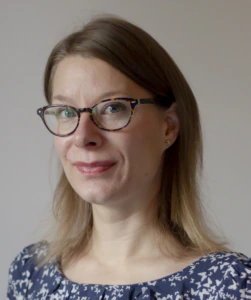
Abigail Walker is Renaissance programme manager at the Museums, Libraries and Archives Council (MLA). These are the personal views of the writer and do not represent the views of the MLA
The former culture minister David Lammy echoed these concerns at the launch of Museums and Galleries Month in May and at the Archives Awareness Conference in April.
He emphasised the central role he sees for museums in supporting discussions around identity, and the need to tell interweaving, island stories. This thinking is reflected in Understanding the Future, the department for culture's vision for the future of museums, which calls for museums to present a multitude of cross-cutting stories.
I agree that we need to make sure that museums do not contribute to separatism. Museums have a role to play in highlighting the common values of UK communities. But we need to take care that the benefits of a multicultural approach are not diluted in the search for such values and stories.
We should be able to tell the stories of different cultures within Britain on their own merits. This is possible, provided we recognise that what binds these potentially separate stories together is that they have all shaped and continue to shape the story of Britain.
By recognising the importance of all cultures within this national story, the risks associated with a multicultural approach in museums should be reduced.
This approach is taken in Canada, a country that has enshrined multiculturalism in law. As part of the 1985 Multiculturalism Act, Canadian institutions are required to preserve and develop ethnic pluralism.
Representing the different cultures of Canada within a national story is a key role for the country's museum sector.
This is exemplified by the Canadian Museum of Civilization, with its aims that include to increase people's sense of belonging to the nation; to document social changes and the cultural dynamism of Canada's growing population; and to research the history, social organisation, traditions and ethnic relations of the different cultures of Canada.
The representation of the cultures of Canada and their role in its history is also apparent at provincial level. The Nova Scotia Heritage Task Force report set out the need to ensure the different cultures of Nova Scotia were reflected in the province's heritage institutions. Government also prioritises museum projects that tell the story of Canada's diverse heritage.
If museums in Britain are to support a multicultural approach while avoiding separatism, we need to look at who the people of Britain are now. We should consider how these different cultural groups contribute to Britain and how this is represented across the museum sector nationally.
The role of museums is not simply to explore common values. Museums can tell the stories of the different cultures of Britain, provided we support all communities to recognise that their own history and future, is dependent on all the cultures of Britain.
Abigail Walker is Renaissance programme manager at the Museums, Libraries and Archives Council (MLA). These are the personal views of the writer and do not represent the views of the MLA