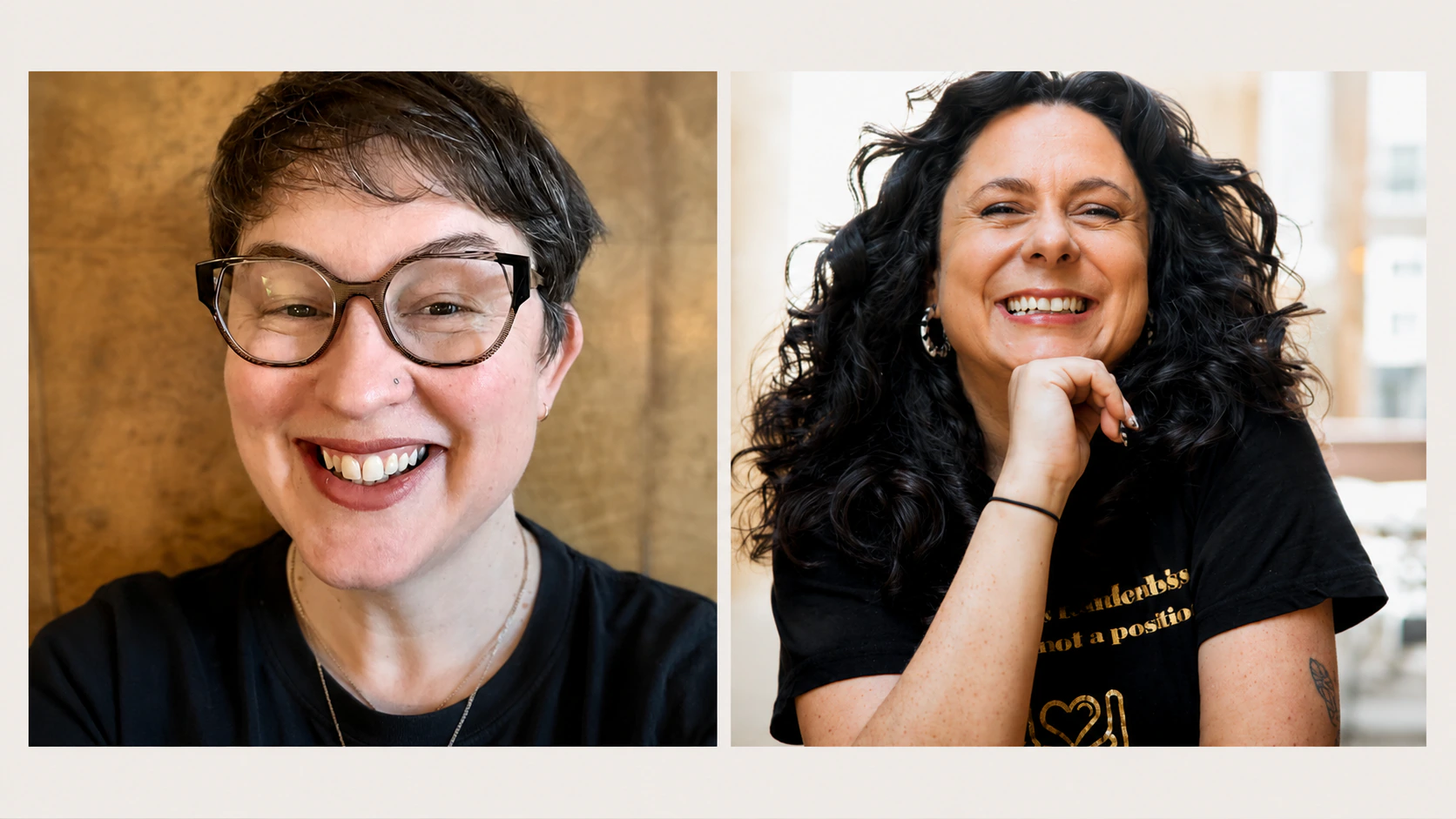
Leila D’Aronville and Lizzie Crump have been appointed as “creative freelance champions” by the UK Government.
Their role will be to advocate for the creative industry’s 703,000 self-employed workers and help shape future policy at the Department for Digital, Culture, Media and Sport (DCMS).
Both freelancers themselves, D’Aronville is the founder of the North East Cultural Freelancers network while Crump is co-director of What Next? network for arts and culture.
As freelance champions, they will ensure the needs and views of the freelance workforce inform government thinking. They will also sit on the Creative Industries Council, a joint industry and government forum that represents and gives a voice to the UK’s creative industries.
In 2025, 28.5% of the UK’s 2.6 million-strong creative industries workforce were self-employed, almost double the rate for the wider economy, according to DCMS.
How is the Museums Association supporting freelancers?
Discover membership options, resources and advocacy guidance
Advertisement
Dave O’Brien, professor of cultural and creative industries at the University of Manchester, will support the roles as part of his academic secondment to the DCMS.
O’Brien, who is known for his work around class inequality in the cultural sectors, co-authored the government’s 2023 Good Work Review into working conditions across the sectors, which highlighted issues around the adequacy of freelancer pay, “hidden labour” and financial insecurity.
In June 2025, the government (then led by Keir Starmer) committed to the idea of freelance champions in its Creative Industries Sector Plan.
It pledged to “appoint a creative freelance champion, to advocate for the sector’s creative freelancers within government and be a member of the Creative Industries Council”.
Earlier in 2025, Creative UK published its Forging Freelance Futures report, which made key policy recommendions including the appointment of a freelancer commissioner. Its research found that about 30% of the creative industry’s workforce operate on a freelance basis – and two-thirds (64%) had experienced low or unfair pay at some point in their careers.
Advertisement
Structural inequalities as well as the rise of AI technology were both identified as threats to the freelance workforce.
In a statement, D’Aronville said: “Freelancers are essential to the UK’s creative and cultural strength, yet too often misunderstood or overlooked. Lizzie and I are determined to change that. We will work with government, industry and freelancers themselves to build a fairer, more informed environment, one that recognises the realities of freelance work and supports people to build sustainable, rewarding careers.
“My commitment is to leave a legacy of greater fairness, clearer understanding and stronger foundations for creative and cultural freelancers.”
Darren Henley, the chief executive of Arts Council England, welcome the appointment: “By working together, we can support freelancers, address sector-wide concerns, and ensure the sector has the research, data and resources it needs to flourish.”