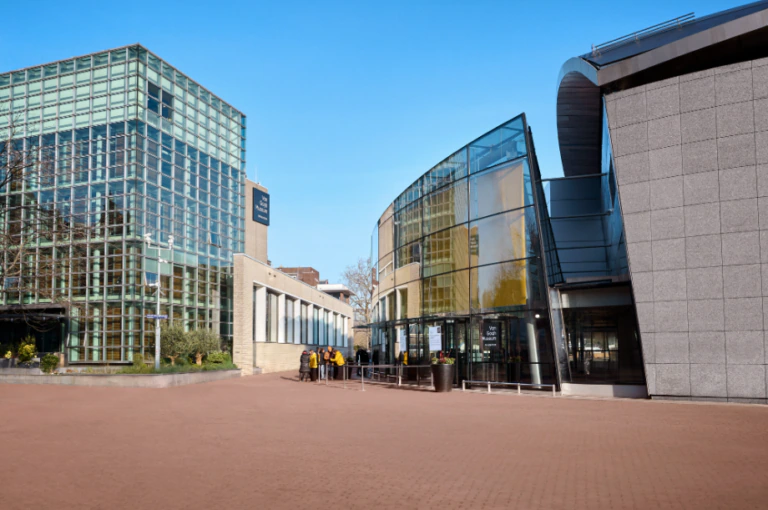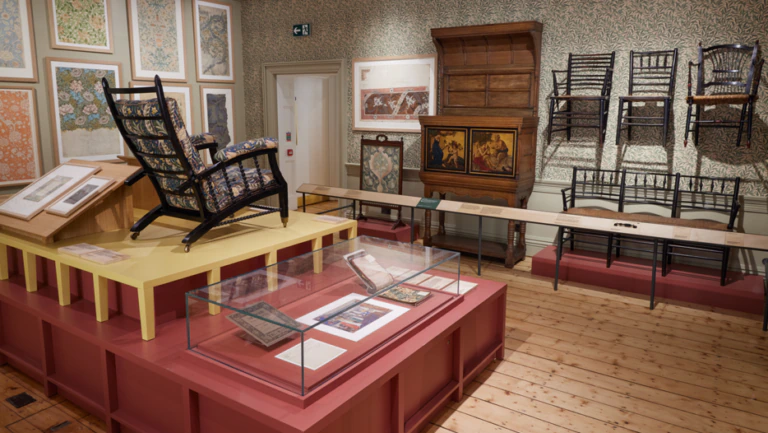
A date has been announced for the much-anticipated reopening of Hull Maritime Museum after a six-year transformation.
The museum, which is run by an arm’s-length company belonging to Hull City Council, will welcome the public through its doors on Saturday 8 August.
The east Yorkshire venue has been closed since January 2020 for a £20.4m redevelopment of its home, the Grade II*-listed, former Town Dock Offices building overlooking Queen Victoria Square.
Designed by Purcell Architecture, with restoration work by Simpsons of York, the project has seen the museum double its public space and restore the Victorian building to its original architectural grandeur.
The reimagined museum will display 50% more objects from its nationally significant collections, with around 1,300 items accessible to the public across galleries and open storage spaces.
Immersive galleries and newly displayed artefacts will tell the story of Hull’s relationship with the sea and its role in shaping trade, migration, fishing and whaling across Britain and around the world.
Advertisement
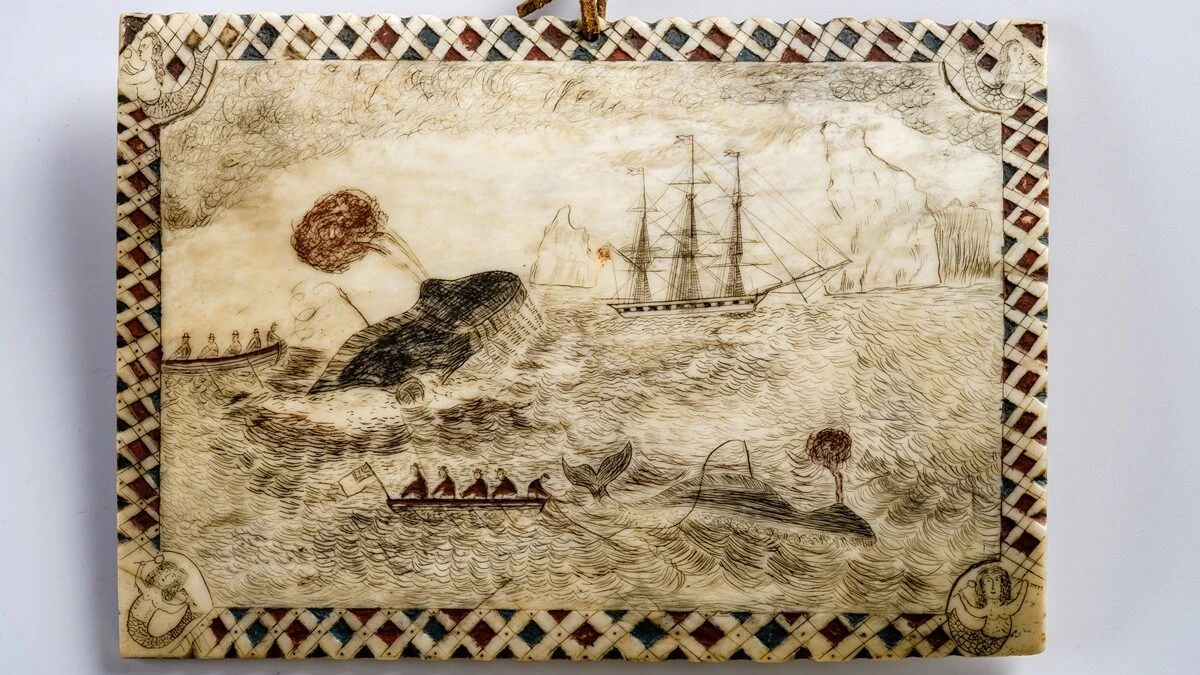
Among the highlights, visitors will be able to see rare examples of scrimshaw – folk art created by sailors from whale bone and teeth – from what is believed to be the largest such collection outside the US, which will be displayed in a dedicated gallery for the first time.
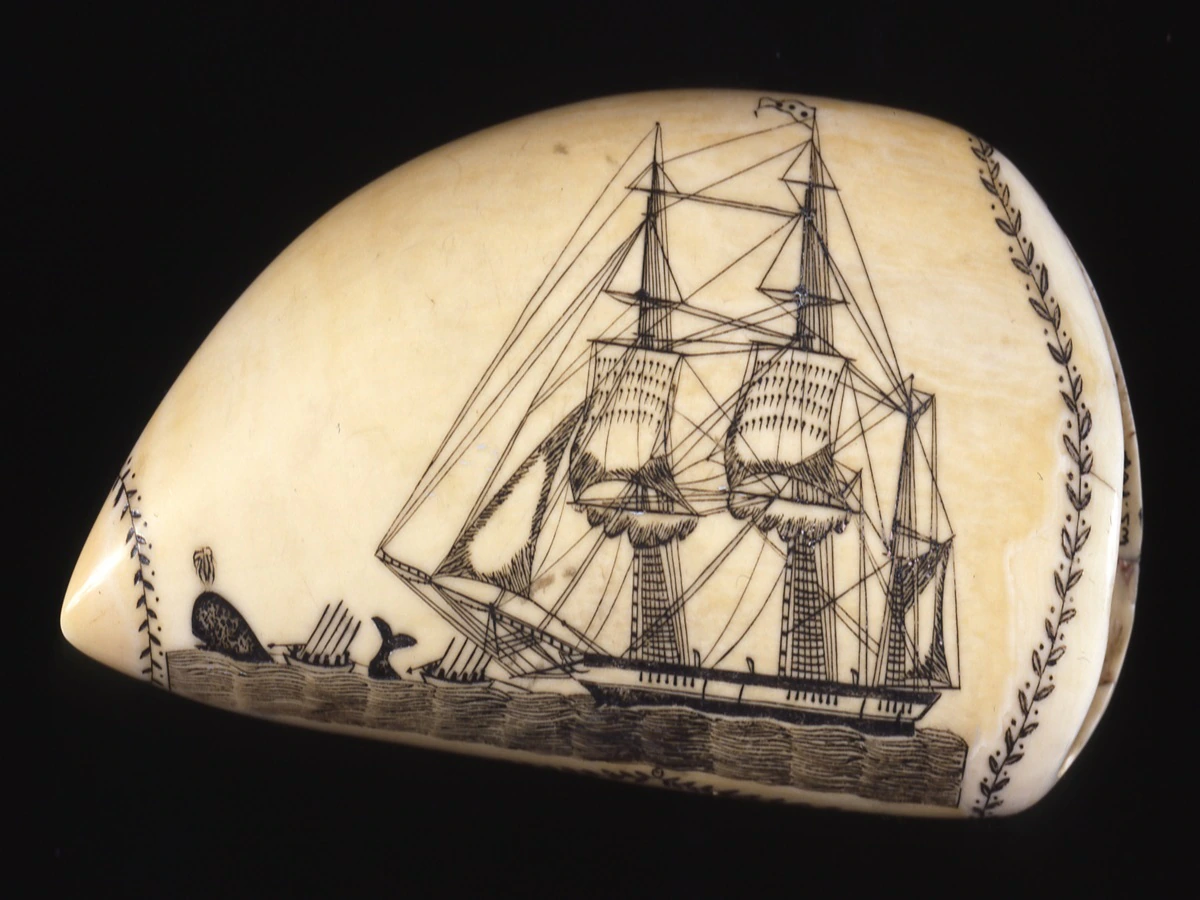
Visitors will also encounter the wooden dog figurehead from the Sirius, the first steamship to complete a transatlantic crossing under steam power in 1838.
Alongside its permanent galleries, a new community exhibition space will explore the region’s maritime heritage through objects, images and filmed content from local and specialist organisations preserving stories of the sea.
The environmentally controlled gallery has been designed to national museum standards, enabling the venue to host major loans and touring exhibitions.
Previously inaccessible parts of the building will also open up to the public, including one of the museum’s three domed towers, which features a newly installed spiral staircase enabling people to climb up and see panoramic rooftop views across the city.
Advertisement
One of the most anticipated features of the revamp will be the Court Room, the great hall once reserved for shareholders’ meetings and special events. Known as the “best room in the city”, the space has undergone a meticulous restoration to clean and repair its ornate plasterwork, friezes and ceiling mouldings.
Working at ceiling level, it took a team from Lincoln Conservation eight weeks to restore the maritime motifs in the room to how they would have looked when the building opened in 1871.
The museum has also installed a new cafe adjacent to its redesigned atrium, which will be operated by Venue Hull, the local catering team responsible for the cafe at the nearby Ferens Art Gallery.
“The new museum allows us to tell Hull’s maritime story in a richer and more ambitious way than ever before,” said Robin Diaper, curator of social and maritime history at the museum.
“Hull is a great maritime city, made greater by its people. Our nationally significant collections will reveal not only Hull’s role as one of Britain’s great maritime cities, but also the human stories, creativity and global connections that grew from life at sea.”
Mike Ross, the leader of Hull City Council, said the reopening would “ignite our sense of civic pride in our beautiful and historic city”.
Advertisement
“Visiting Hull Maritime Museum will be an unforgettable experience from August, I am sure we will be welcoming visitors from far and wide to Hull to see its maritime treasures for decades to come,” he added.
The museum is the centrepiece of the wider Hull Maritime programme, a city-wide investment in maritime heritage intended to drive cultural regeneration and build on the legacy of Hull’s year as UK City of Culture in 2017.
Other heritage projects across the city include the restored Spurn Lightship, which reopened in February, the relocation of the Arctic Corsair and construction of a new, adjacent visitor centre, and the transformation of Queen’s Gardens.
A statement from Purcell said: “Hull Maritime Museum exemplifies how heritage can be a catalyst for change. By investing in historic places and the stories they hold, cities can create meaningful cultural experiences, stimulate regeneration and strengthen connections between people, place and identity.
“We are proud to have played a role in bringing this important project to life and look forward to seeing visitors experience the renewed museum when it opens this summer.”
The museum’s transformation has been supported through a combination of local and national public and charitable funding, including £11.8m from Hull City Council, £7.7m from the National Lottery Heritage Fund, and £0.9m via private donations.