England's 15 national museums and galleries are being left exposed to security threats due to the UK Government’s “overly reactive” approach, the Public Accounts Committee has warned.
The cross-party parliamentary watchdog, which scrutinises government spending, said several high-profile incidents in recent years had highlighted the vulnerability of national cultural institutions, including the thefts at the British Museum and the cyber attack on the British Library.
The committee said the Department for Culture, Media and Sport (DCMS) had failed to provide any specific examples of concrete actions it had taken as a result “to better protect systems and collections in the wake of these incidents”.
The committee urged DCMS to take a more strategic approach to security, saying it was failing to take advantage of its “central role” to bring museums and galleries together to better address the issues.
The Public Accounts Committee said it has now asked DCMS to set out the concrete actions that the department and museums themselves “have taken and are taking to address cyber and physical security threats”.
The department told the committee that it was working closely with sponsored institutions on how it can provide central advice about improving cyber-resilience, informed by the government’s cyber action plan for public bodies.
Advertisement
Economic vulnerability
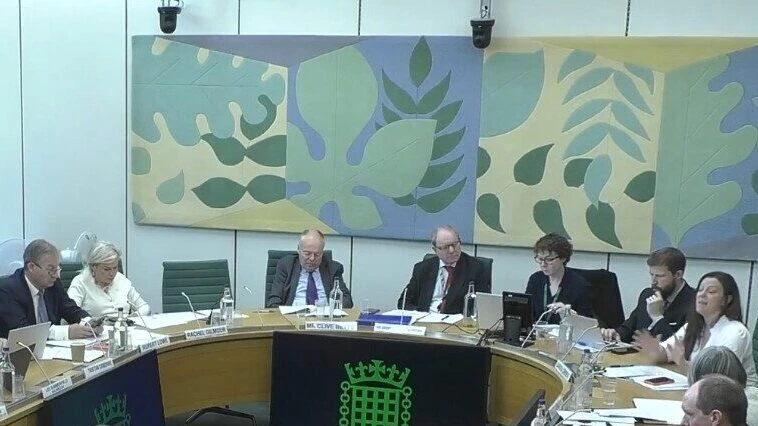
The committee made the comments in a report published today on the financial resilience of government-sponsored museums and galleries. It follows an inquiry earlier this year that heard evidence from DCMS civil servants and sector bodies.
The report highlighted the economic vulnerability of national museums, saying many of them have yet to return to their pre-pandemic visitor numbers and are facing rising staff costs and energy bills.
Public funding for those institutions has also fallen; DCMS provided 15 government-sponsored museums and galleries with £484m in grant-in-aid funding in 2024-25, a real-terms cut of 16% since the end of emergency Covid funding.
The Public Accounts Committee said that “alarmingly, DCMS was unable to paint a clear picture of whether museums and galleries are delivering value for the taxpayer”.
Although the report acknowledged a significant 53% real-term increase in self-generated income among nationals since the pandemic, the committee said there were concerns that the current funding regime “does not provide museums and galleries with sufficient incentives to support themselves financially”.
Advertisement
The report said: “We are concerned that the top-ups in previous years show ultimately that the department will not allow a museum or gallery to shut and will seek to do something to make sure the museum or gallery [is] a going concern, and that, as a result, the museums and galleries will not try to raise extra money or reduce costs themselves.”
The committee has asked DCMS to set out the circumstances in which it would allow the “financial failure of a museum or gallery”.
Metrics
The report also recommended that DCMS set out “clear metrics by which it will assess museums and galleries, and what consequences there will be for those that do not meet the criteria it sets out to measure them against”.
It said the department had acknowledged that the outcomes it currently expects of sponsored institutions are “quite general and high level”. Work is now under way across DCMS on how it will allocate outcomes and what metrics it will use to measure their delivery, the report confirmed.
The Public Accounts Committee also found that DCMS “lacks the necessary insight” into museums and galleries’ financial situations to give it sufficient early warning of potential financial failures, and said the department recognised that it “must rely less on anecdotal evidence”.
Advertisement
The report said DCMS should put in place the key performance indicators and tools that it will use to track the financial resilience of museums and galleries by the end of the current financial year. This follows a similar recommendation made by the National Audit Office earlier this year for an early warning system to be introduced to enable DCMS to intervene early where institutions are at financial risk.
The watchdog urged the department to take more initiative in supporting museums with the strategic challenges they face.
Although the steps taken towards self-reliance were welcome, said the committee, DCMS currently “over-relies on museums’ and galleries’ autonomy and is not taking the initiative to support museums and galleries with their strategic challenges, despite providing around half of their overall funding through grant-in-aid”.
The inquiry also questioned DCMS about the possibility of introducing entry fees for visitors. The department told the committee that it was acting on the Hodge review’s recommendation to consider charging for international visitors but said “this would have to be done very carefully as the introduction of free admission in 2001 had resulted in a lot of public engagement with museums and galleries”.
'Hands-off approach'
Conservative MP Geoffrey Clifton-Brown, the chair of the Public Accounts Committee, said: “Our museums and galleries are a treasured part of the fabric of our nation. The role they play in educating our people, preserving our shared history and showcasing our country to the world is quite simply priceless.
“However, they are being let down by a lack of leadership from the DCMS, which appears to have taken an almost hands-off approach to the challenges they face.
“Cyber-attacks, the theft of items from collections, and a fall in the number of visitors are just some of the issues museums and galleries are fighting to overcome.
“They’ve made great strides to become more financially resilient, however the lack of centralised support is leaving them vulnerable. Furthermore, government has not done nearly enough to provide incentives for museums and galleries to be in a position to support themselves financially.
“The department must do more to encourage shared learning across organisations and play a more proactive role in driving value for money.”