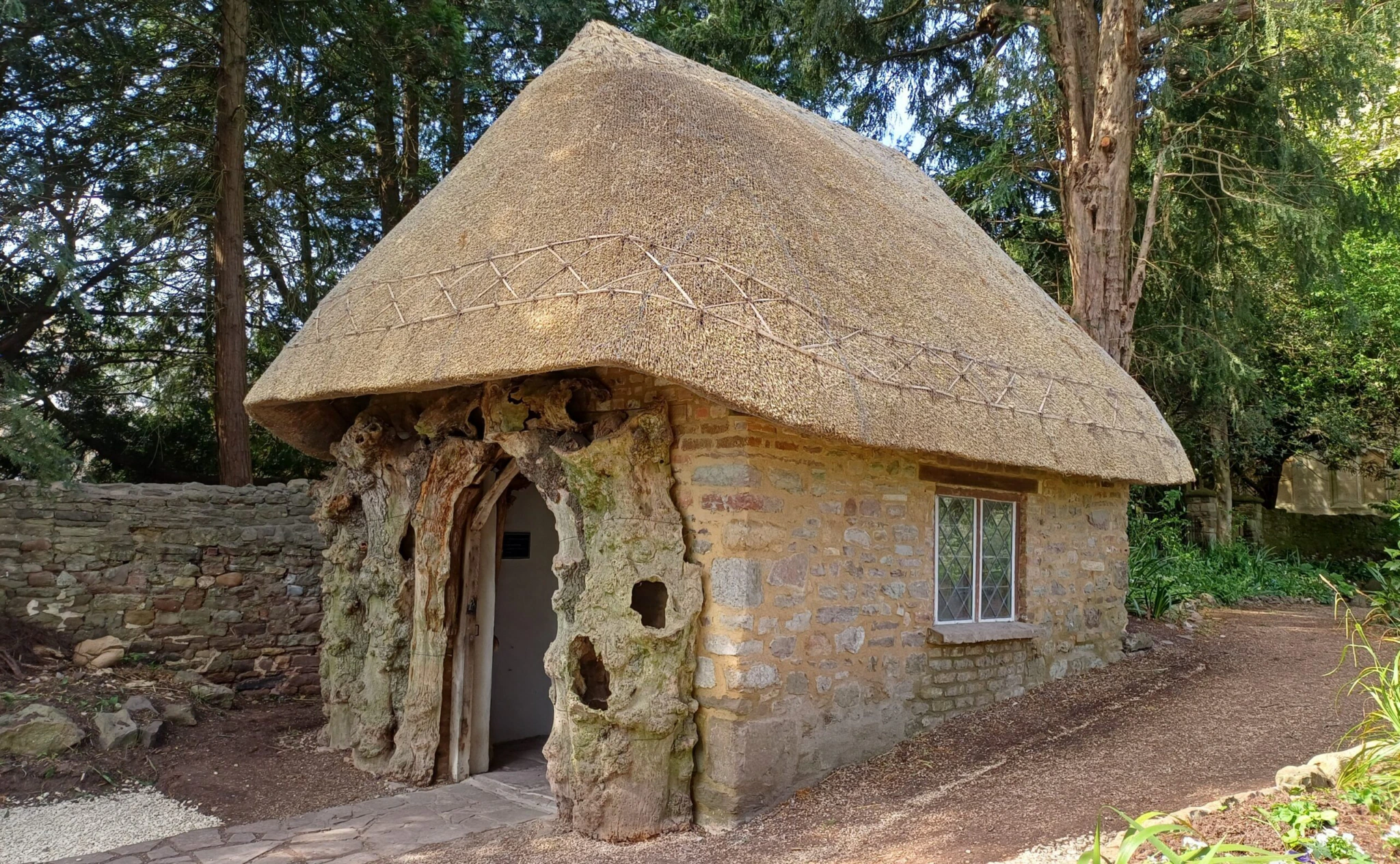
The Temple of Vaccinia at Dr Jenner’s House and Garden in Berkeley will reopen to the public this weekend – 230 years after the father of immunology, Edward Jenner, performed the first-ever vaccinations against smallpox within the rustic hut.
The site has faced years of uncertainty, facing the threat of closure in 2018 due to a £20,000 budget deficit. The hut was added to Historic England’s Heritage at Risk Register last November.
A £221,508 grant from the National Lottery Heritage Fund has now enabled the first stage of the building’s restoration, repairing structural damage to its walls and rethatching its nearly bare roof.
Historical bark decorations have been reinstated on the building’s interior walls and the stone floor has been repaired to ensure safe, level access.
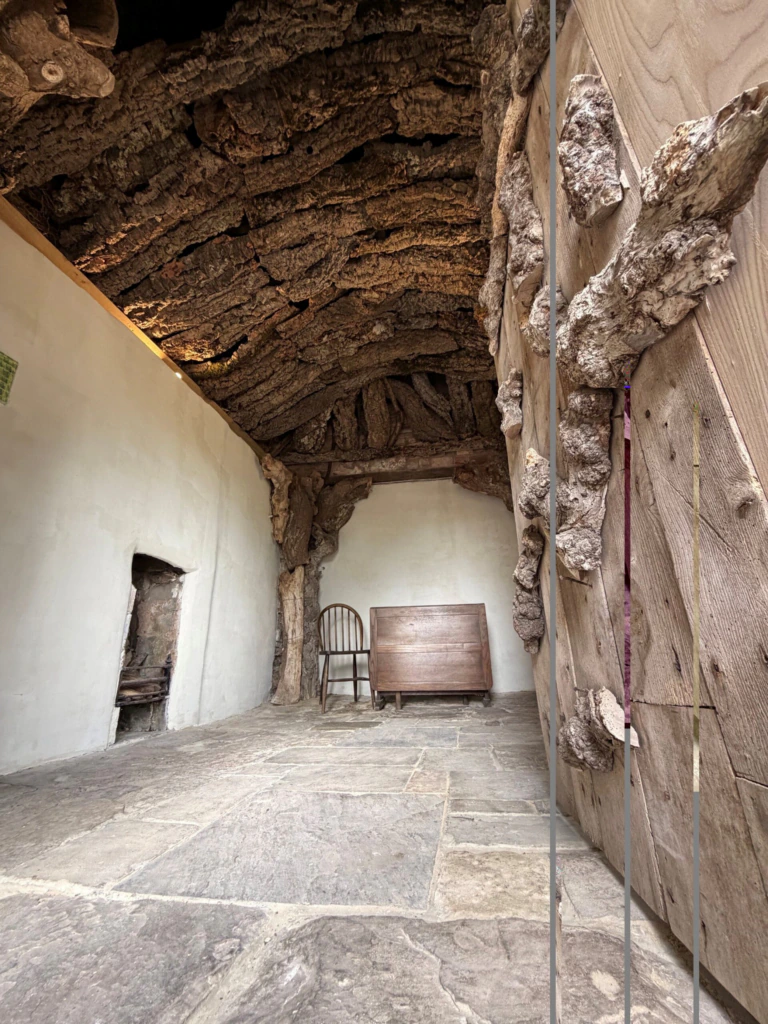
Elsewhere, new lighting, sound and projection equipment has been installed to help share the space with visitors.
Advertisement
The museum is based at The Chantry, Jenner’s former home, and includes the Physic Garden, the Old Cyder House, which is currently used for event hire, and the Temple of Vaccinia. It opened as a museum and education centre in 1985 and is operated by The Jenner Trust.
The lottery grant has also been used to develop plans for the full renovation of Dr Jenner’s House and Garden. The trust's “Re-Jenner-ation” programme aims to restore the house, garden and ancillary buildings; improve access; renew interpretation; extend learning opportunities; strengthen collections care; increase the museum’s sustainability; and build partnerships ahead of the international celebration in 2030 of 50 years since the World Health Organization declared smallpox eradicated.
The Old Cyder House will be repurposed as the Sasakawa Conference Centre to support science education and commercial sustainability.
From folly to free health care
Originally built as a garden folly, Jenner offered smallpox vaccination from the hut to local people free of charge, leading to his playfully naming it the Temple of Vaccinia.
Jenner did not patent his discovery but worked to share it widely, and by 1980 his vaccine had contributed to the global eradication of smallpox.
Advertisement
“The Temple of Vaccinia is an unassuming building with a story of global significance: what happened here changed the course of public health,” said James Rodliff, the director of Dr Jenner’s House.
“Restoring it means visitors can stand in the place where Jenner chose to offer vaccination freely to his community and understand how an idea from Berkeley helped protect people around the world.”
The museum has launched a new patron scheme to help fund its plans and the museum’s educational and cultural work.
“Dr Jenner’s House has been kept alive for 40 years by the dedication of volunteers, trustees, staff, supporters and the local community,” Rodliff said. “We now have an opportunity to build on that passion and secure the site for future generations. The restored temple shows what is possible when people come together behind this extraordinary story.”