There should be tighter controls on what money raised from tourism levies can be spent on, according to the Local Government Association (LGA).
The LGA, which was responding to a recent government consultation over proposals for an overnight stay levy in England, said that it wants councils to be allowed to retain a portion of the funding raised to support the services they provide that serve the visitor population.
This could include parks, waste collections and public toilets, as well as those services that will attract more tourists such as culture, heritage and events.
Funds raised could also be used to directly support tourism and hospitality businesses to grow and diversify their offer, said the LGA.
“When designed locally, a visitor levy can directly support tourism businesses and strengthen the visitor economy in our communities,” said Julie Jones-Evans, the chair of the LGA’s Culture, Tourism and Sport Committee. “It represents an important step in fiscal devolution and giving local areas the powers to raise new income.
“However, it should be down to councillors as well as mayors, as democratically elected representatives, to decide whether to introduce a levy, in consultation with local tourism businesses.”
Advertisement
The LGA also proposed that the government should introduce a national registration scheme so the levy can be collected from short-term lets, such as Airbnb. This would need to be done in advance of the levy to ensure that short-term lets remain in the scope of the levy.
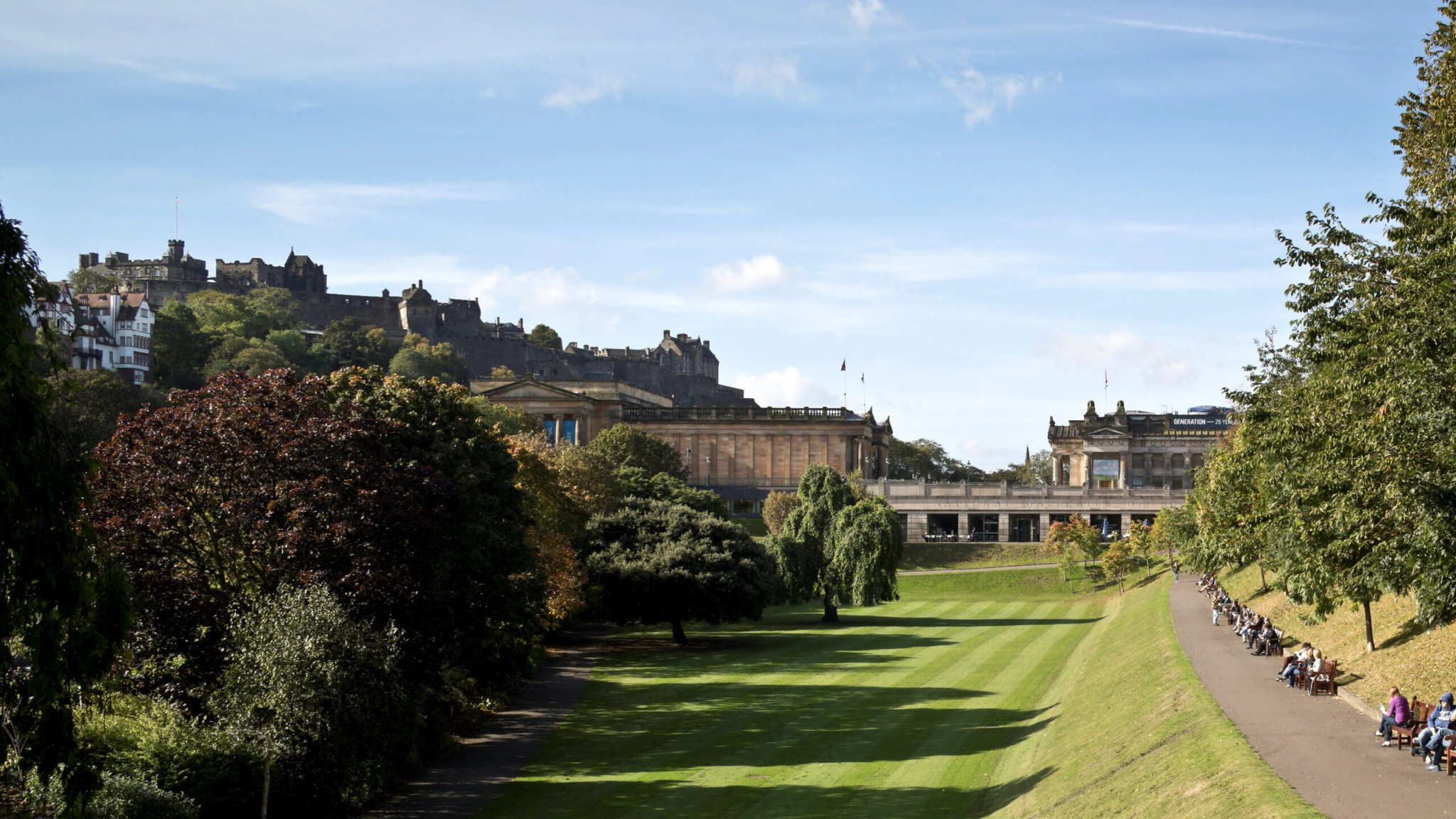
The LGA highlighted three visitor levy case studies: Edinburgh’s visitor levy will apply to all stays taking place from 24 July 2026; Manchester’s £1‑a‑night City Visitor Charge, which generated £2.8m in its first year; and Bath & North East Somerset Council, which is planning to spend a potential tourism tax revenue on enhancing public spaces, maintaining heritage sites and improving infrastructure.
The government visitor levy consultation ran from 26 November 2025 to 18 February 2026.
It looked at a range of issues, including how revenues collected should be used; the types of accommodation that will and will not be included; and how levy rates should be calculated.