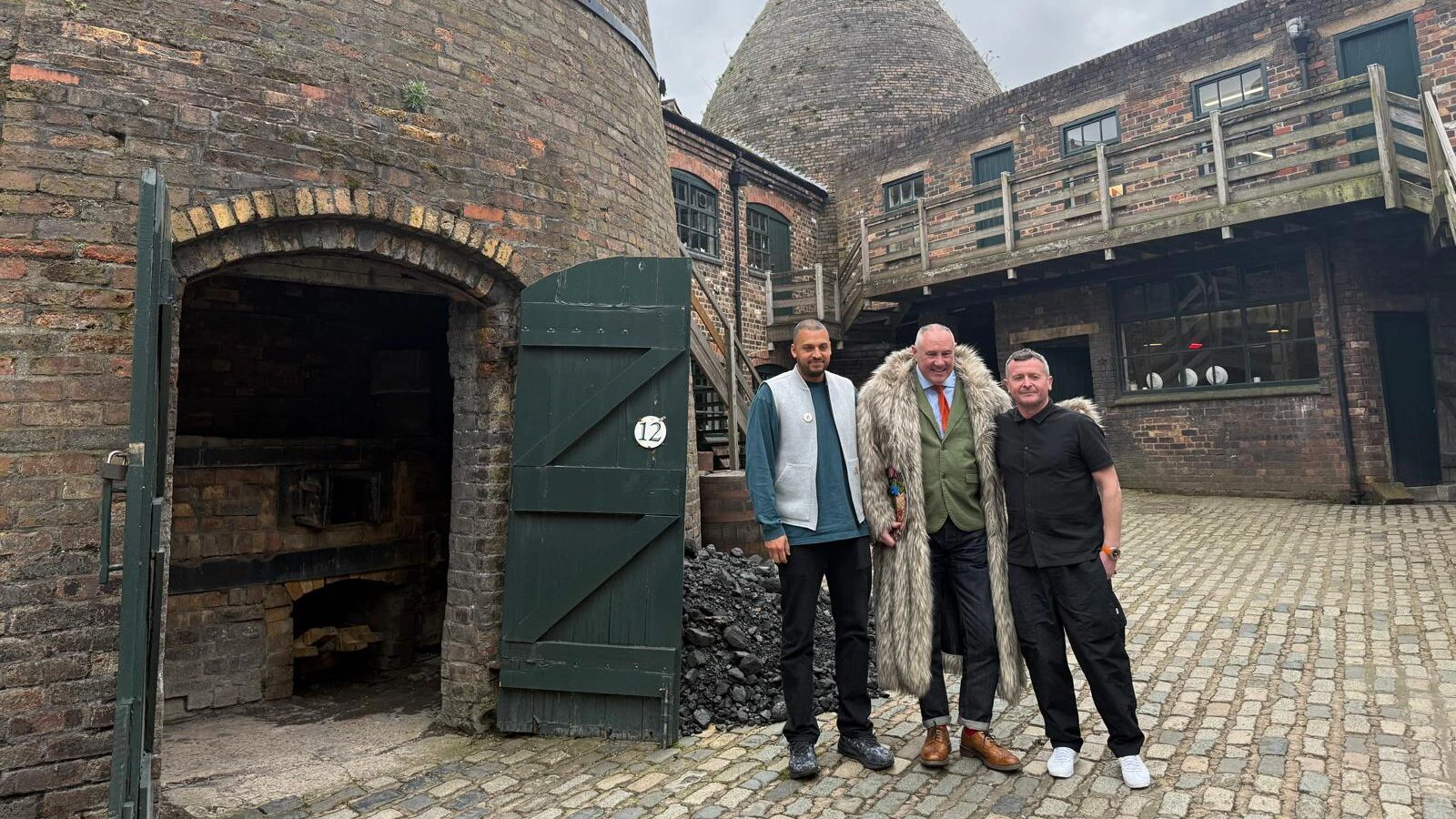
The Gladstone Pottery Museum and Duchess China ceramics factory, a minute’s walk away from each other in Stoke-on-Trent in Staffordshire, have collaborated to bring the story of historic and contemporary ceramics manufacture to life.
The Beyond the Bottle Oven experience is launching as a pilot programme, with monthly tours being run from the end of March, allowing visitors to explore the historic Gladstone Pottery Museum before stepping inside the working Duchess China factory opposite.
The combined visit will to connect the making process in the museum’s Victorian workshops and the firing of pottery in traditional bottle kilns with contemporary fine china production, showing how long-established skills continue to shape the industry today.
Housed in a former Victorian ceramics factory, the Gladstone Pottery Museum is famous for its iconic bottle kilns featured on the popular Channel 4 programme, the Great Pottery Throw Down, while Duchess China has been manufacturing classically patterned ranges of fine bone china for over 130 years, since 1888.
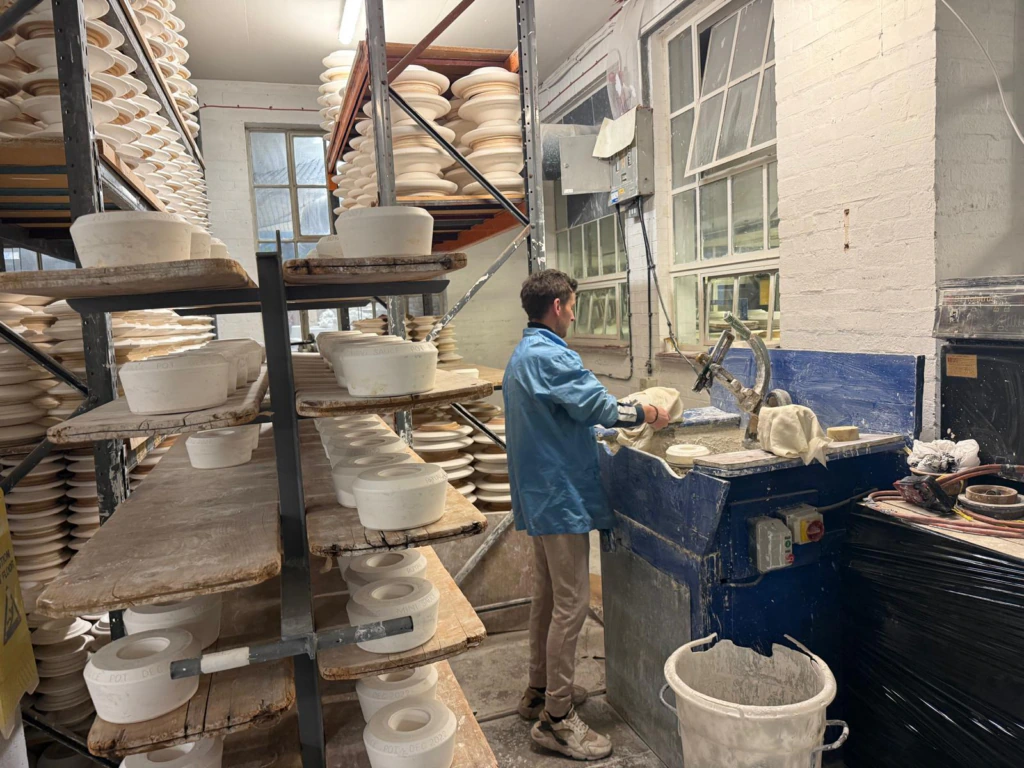
The new visitor experience will offer behind-the-scenes access to both heritage and live production, giving visitors a clear view of how ceramics in Stoke-on-Trent remains a living, working industry.
Advertisement
The first experience will take place on 25 March at 1030, followed by a second event on 22 April at the same time.
The package features a tour of Gladstone Pottery Museum, a potter’s lunch at Gladstone’s Cafe and a tour of the Duchess China factory. The experience will cost £45 per person, including lunch, and last three to four hours. A maximum of 12 people can book on each event.
The Great Pottery Throw Down judge Keith Brymer Jones launched the Beyond the Bottle Oven experience and said: “You come to this heritage site, and you walk literally through the years of people creating wonderful work.
“You walk across the road, and you go to Duchess, and they’re doing the same thing in the 21st century. The more we can do to expose the talent and creativity of the wonderful city of Stoke the more people will be invested in what people do here. That’s what I think is so exciting about this initiative of marrying the old and the new.”
By linking a nationally recognised heritage site with a working manufacturer, the scheme aims to strengthens the city’s visitor offer while supporting local jobs, skills and investment in the ceramics sector.
Councillor Sarah Hill, the cabinet member for finance, anti-poverty and corporate services, said: “Stoke-on-Trent is the world capital of ceramics, and this innovative project shows why. It gives visitors a unique chance to see where our story began and how it continues today in a working factory.
Advertisement
“That continuity is something few places can offer and it shows that ceramics in Stoke-on-Trent is not just history, it’s a living, working industry that can and should continue to thrive with the right support.”
The project forms part of the council’s Future 100 regeneration programme, which launched in 2025 to mark the centenary of the city of ceramics. The programme aims to support long-term growth, regeneration and cultural investment while reinforcing Stoke-on-Trent’s position as a global centre for ceramics.
As part of the Future 100 initiative, major construction work also got underway last month on a £5m contract, funded by the Arts Council England’s Cultural Development Fund, to transform the Potteries Museum & Art Gallery.
The council has appointed Seddon to deliver the design-and-build programme, which will create a new entrance, a new foyer café, improved public spaces and increased open storage that will mean artefacts can be seen by the public when not on display.
The project will also create an artist-in-residence room, allowing artists to work alongside, and create artworks inspired by, the museum’s collections.
The Potteries Museum will reopen in stages from 28 March, when visitors will be able to access the museum's Spitfire, the Forum Theatre and Violet’s Cafe. There will be managed entry while work continues elsewhere in the building.
There have been warnings about the long-term sustainability of the city's heritage, however; earlier this year, Stoke-on-Trent council declared a heritage emergency, saying it needed £325m in public and private funding to safeguard its historic sites and stories.