
A report into England’s cultural infrastructure has found that about £7bn is needed for repairs, maintenance and renewal.
The report, which includes non-accredited museums and art galleries and historic houses, was commissioned by the Department for Culture, Media and Sport and carried out by architecture firm Purcell and research and evaluation specialist Harlow Consulting.
The England's Cultural Infrastructure: Repair, Maintenance and Renewal report, which was published a the end of January, estimated that of the £7bn needed, the cost of urgent work is £3bn. Of this, there is a reported current funding deficit of about £2bn.
Having sufficient finances was a key barrier preventing cultural organisations making repairs to their infrastructure, according to the report. But lots of venues also stated that attracting audiences, maintaining event programmes, and retaining staff took priority over building repairs.
The report concluded: “Taken as a whole, the built infrastructure of the in-scope cultural venues requires considerable investment. While there is a minority of buildings in good to very good condition, most buildings have needs that go beyond routine repair, maintenance and renewal; a substantial number are in poor to very poor condition.”
The types of destination in scope were limited to venues in the following categories, where they are owned, managed or operated either by public bodies or third-sector organisations (excluding privately-owned venues).
They were: theatres; other performing arts venues, such as concert halls, performing arts centres; cathedrals and churches in their role as visitor destinations; non-accredited museums and art galleries, historic houses, ruins and monuments where publicly accessible; and visitor destinations with a strong heritage aspect.
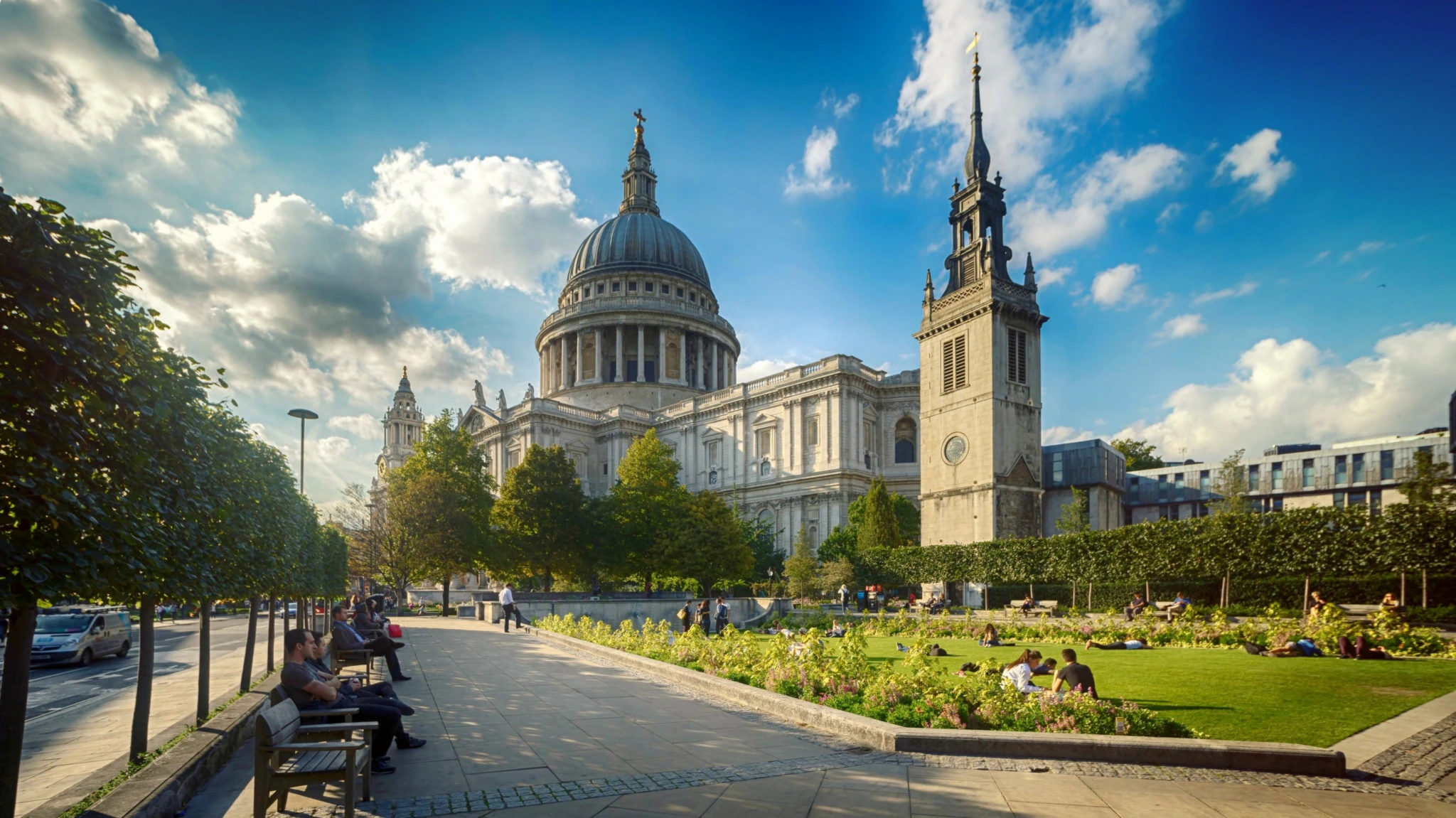
The report features a series of case studies, including St Paul’s Cathedral in London, which holds exhibitions and attracts about 1.5 million visitors a year; God’s House, an arts and heritage venue in Southampton, is another case study; and Home, a cinema, theatre and art gallery in Manchester city centre.

It should be obvious to the Government that in the scheme of things this is a small investment for nothing but positive long term gain. Any Government with an eye to the future should recognise the ‘treasure’ of irreplaceable built heritage and prioritise seeking corporate investment in adopting and preserving rare buildings for posterity.