The Royal Engineers Museum in Kent is reviewing its collections for duplicates after 1,742 world war two-era files from its archive were destroyed in a "random act of criminality".
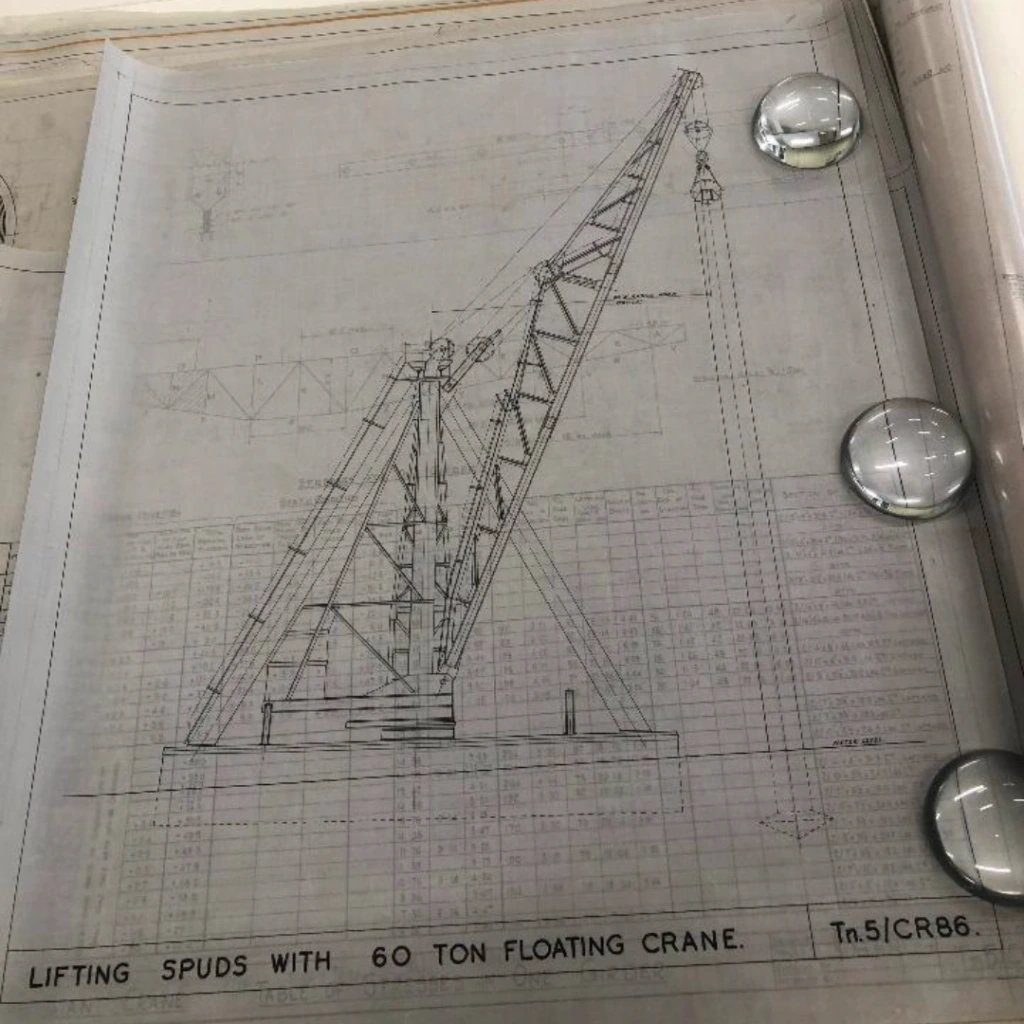
Valued at around £500,000, the technical drawings and plans related to the design and construction of the D-Day Mulberry Harbours, railways and bridging.
The plans had been sent to a company in Scotland for digitisation when the vehicle they were in was stolen and set alight.
In a statement, the museum confirmed that, based on information provided by the Scottish police, the drawings and plans were in the van when it was destroyed. The institution expressed its “regret and sadness” over the incident.
The museum said it was notified of the loss on 20 November and has since been working closely with Scottish police to ascertain the full details of the incident.
Advertisement
The museum’s director Rebecca Nash told Museums Journal that a review of the archives had uncovered some duplicates of the lost documents.
“We have identified a number of copies, however, it is only a small percentage of the whole,” she said. “We will, over the coming months, continue to review the collection and those of other archives and remain hopeful that we may identify more.”
Police enquiries into the incident are still ongoing. The museum says it would “welcome any information that may be of help in finding the perpetrators”.
“We would also be extremely pleased to recover any of the items should they have escaped destruction,” the statement added.
Anyone with information is urged to contact Police Scotland on 101 quoting reference CR/0489211/25 or Crimestoppers anonymously on 0800 555 111.
No members of public or company staff were injured in the incident.
Advertisement
The museum said the theft was a “random act of criminality with no connection to the museum or its collection”.
“The security and care of our historic collection remain paramount to our responsibilities as a charity and museum,” the statement continued.
“The trustees and staff at the museum are devastated by the loss of this part of our archive. We continue to work on what remains a significant wartime archive and redouble our efforts to make our Mulberry Harbour collection publicly accessible through our exhibitions, website and research services.”
Recognised as one of the greatest innovations of the second world war, the Mulberry Harbours were two massive portable harbours assembled off the coast of Normandy, far from more heavily defended seaports such as Cherbourg and Calais. The floating harbours helped allied troops to overrun German forces following the D-Day landings of 6 June 1944.