The findings of the UK Government’s review of England’s curriculum and assessment system have been widely welcomed by museum sector bodies.
Published this week, the final report of the Curriculum and Assessment Review recommended a number of changes that will have implications for the museum, gallery and heritage sectors.
These include the removal of the EBacc, a performance measure for schools that did not include arts or vocational subjects and was criticised for restricting access to arts and culture in secondary education.
The review emphasises the provision of high-quality enrichment opportunities for all pupils and recognises of arts education as an entitlement within the curriculum for every pupil.
It includes a commitment to revitalise arts education as part of the reformed national curriculum and through high-quality support for teachers of arts subjects.
The review also emphasises the importance of history education and recommends that the curriculum should “support the wider teaching of history’s inherent diversity, including through the analysis of a wide range of sources and, where appropriate, local history”.
Advertisement
The UK Government has accepted the report’s recommendations.
In a statement, the government said: “These changes will deliver a world-leading curriculum and give every child a better, more well-rounded education that sets them up for life after school.”
Sharon Heal, director of the Museums Association, said museums would have an essential role to play in helping schools to deliver the revised curriculum.
Heal said: “The Museums Association welcomes the UK Government’s acceptance of the recommendations in the Curriculum and Assessment Review.
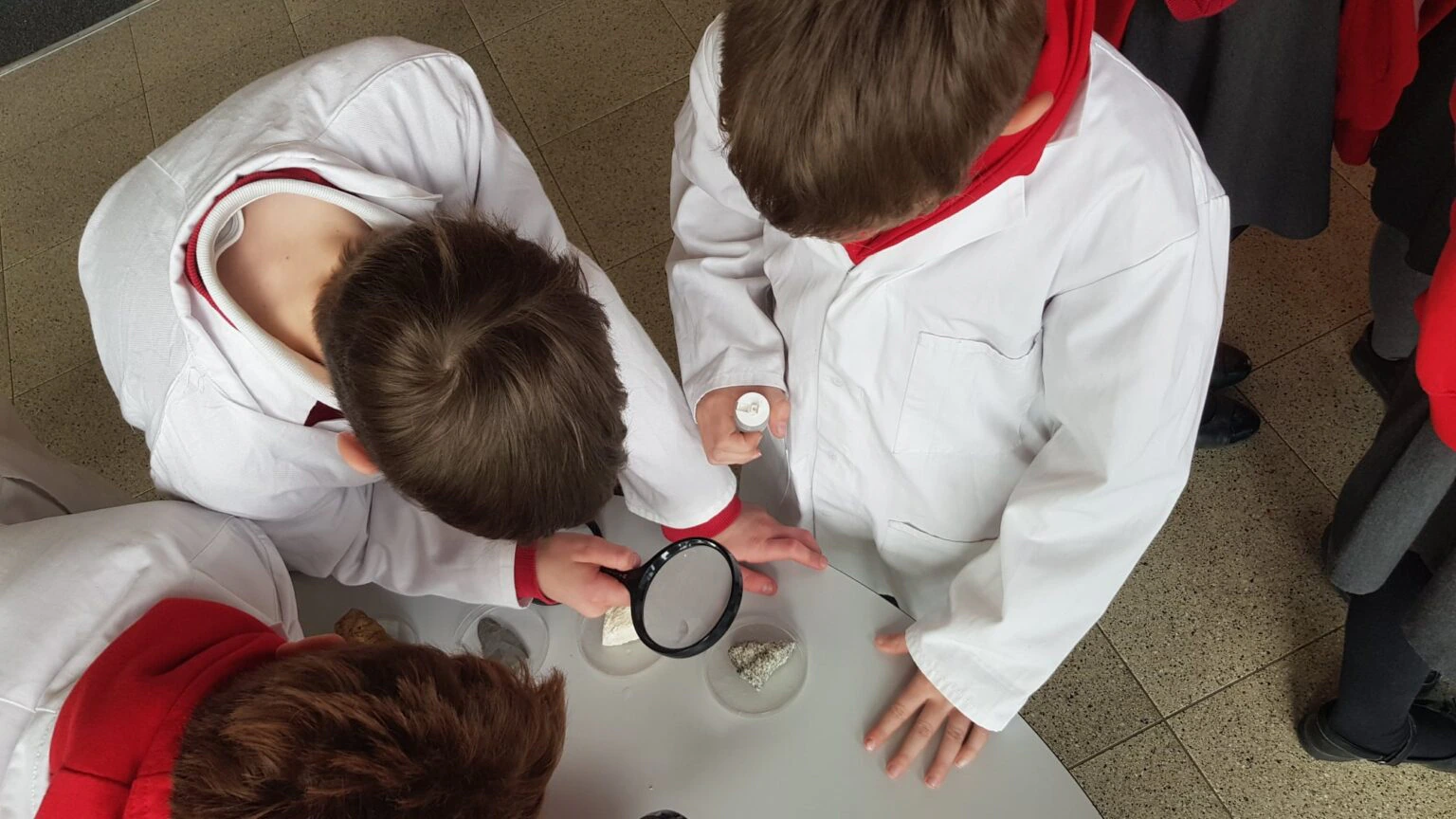
“We are particularly pleased by the announcement of a new core enrichment offer for every pupil which will support children and young people in England to access arts and culture. Our museums and galleries offer high quality formal learning opportunities and will have an essential role to play in providing enrichment activities to school pupils.
“The removal of the EBacc performance measure and the improved version of Progress 8 will encourage pupils to study creative and arts subjects by putting them on an equal footing with humanities and languages which in turn will inspire creative thinking and imagination, support skills development and create pathways into creative careers.
Advertisement
“We are encouraged by the commitment to reform the curriculum to ensure that teachers can reflect the innate diversity of British history, including British Black and Asian history and believe museums have a role to play in supporting schools to achieve this.”
Art Fund director Jenny Waldman said: “At Art Fund we know it’s vital children access culture and creativity, which is why we’ve been calling for every schoolchild to visit a museum or gallery each year within the national curriculum.
“We’re really encouraged by the government’s response to the Curriculum and Assessment Review, showing a renewed commitment to creative education.
“It’s great to see a new core enrichment entitlement giving pupils greater access to arts and culture. To ensure real impact, arts provision needs to be embedded in the school day and not only be an enrichment option.
“The removal of the EBacc performance measures is also an important step towards more students studying a greater breadth of GCSE subjects - including the arts, which now rightly stand alongside humanities and languages as vital to a creative and balanced education.
“We are also delighted to see the commitment to high-quality support for teachers of arts subjects, which will be essential to realising the ambitions of the revised curriculum.”
A statement from the National Museum Directors’ Council (NMDC) said: “NMDC warmly welcomes the recommendations of the Curriculum and Assessment Review and the positive response from government. It's really encouraging to see Government recognition that the arts strengthen our economy and society, and that they should be an entitlement for every pupil, not an optional extra.
“We are delighted that government is addressing the urgent need to restore the place of creative subjects in the school curriculum and to enable access to creative education, skills and careers for everyone regardless of background. The Review recommendations will help children thrive as well as developing the skills needed to support the UK’s world-leading creative industries.
“In particular we welcome the commitment to expanding access for all pupils to enriching experiences including arts and culture. Museums are a vital part of the UK’s educational infrastructure, contributing to subjects right across the curriculum, and they add a dimension to understanding and learning which cannot be achieved by classroom teaching alone. Museums are also well-placed to support ambitions to better reflect the innate diversity of British history with the curriculum.
“We look forward to continuing to work with DCMS [the Department for Culture, Media and Sport] and DfE [the Department for Education] on how museums can support and enrich the new curriculum as the recommendations of the review are implemented.”
The Group for Education in Museums (GEM) said: “As a sector support organisation, we are pleased to see recognition of the vital role that cultural enrichment plays in supporting children’s learning, wellbeing and development. We are also proud to have contributed to this review, reflecting the insights and experiences of museum learning colleagues across the country.
“Through our recent consultations with members, GEM has heard consistently how museum learning can help young people develop essential skills such as creativity, critical thinking, communication and problem-solving, cultivating a love of lifelong learning.
“We are encouraged by the review’s emphasis on a broad and balanced curriculum and on giving children “the knowledge and skills young people need to achieve and thrive”. Museums are uniquely placed to support this aim by connecting formal education with cultural learning, exploring diverse histories and heritage, and developing the transferable skills that young people need for the future.
“We particularly welcome the review’s focus on inclusion and access for all learners, including those with SEND. Museums provide safe, inspiring spaces for experiential and sensory learning, helping educators meet a wider range of learning needs. While this review applies to England, there are positive examples from across the UK, such as the Curriculum for Wales, which show how cultural learning can create a sense of belonging, inspire curiosity and support every child’s potential.
“We look forward to working with partners across the sector, our members and the wider community to ensure that museums play an important role in delivering a curriculum where cultural learning and skills development are integral to every young person’s education.”