Museum and culture leaders have called on the government to take a more ambitious approach to the sector after this week’s autumn budget.
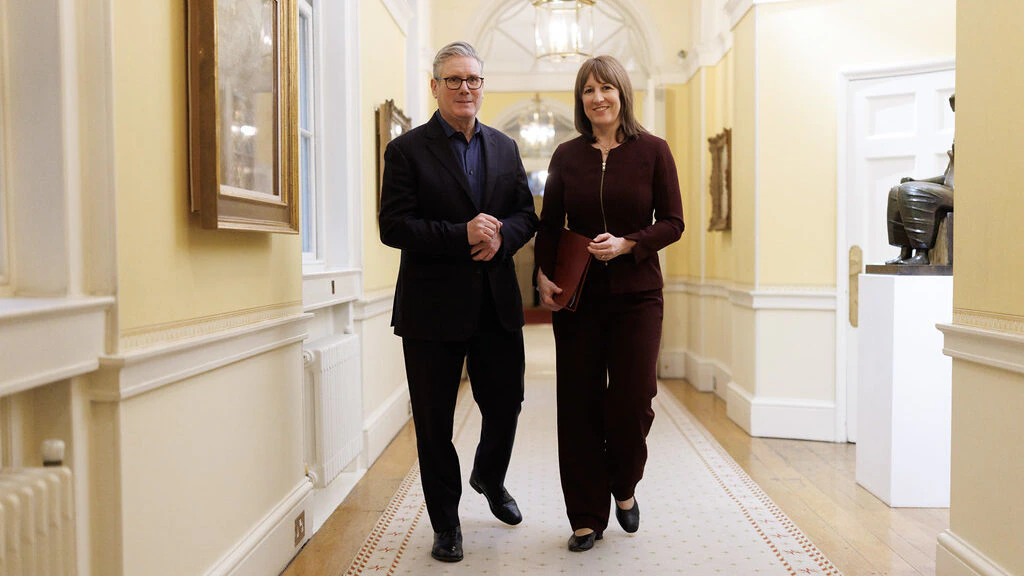
Chancellor Rachel Reeves’ second budget made little direct reference to culture aside from confirming plans already announced in the summer’s Spending Review.
The resource budget for the Department for Culture, Media and Sport (DCMS) will see a small rise from £1.5bn to £1.6bn next year, which amounts to a real-terms cut under inflation. This follows a real-terms cut of 2.5% for the department last year.
The capital budget for DCMS will rise from £0.5bn to £0.8bn.
In the lead-up to the budget, the UK Government had identified the creative industries as one of eight "growth-driving" priority sectors in its Industrial Strategy. It published a dedicated Creative Industries Sector Plan in the summer that acknowledged the importance of museums and other arts and culture sectors in the creative ecosystem.
However Wednesday's announcement did not include any new financial interventions specifically for the culture sector.
Advertisement
A number of other policies in the budget will have implications for heritage, culture and museums.
From next April, small retail, hospitality and leisure (RHL) venues, including cultural venues, with a rateable value below £500,000 will be charged permanently lower business rates.
However the current rate relief for small RHL businesses will be reduced. The relief, introduced in 2025/26 to alleviate post-pandemic pressures, will fall from the current 40% discount to 20% for the smallest properties, and 10% for properties with a rateable value between £51,000 and £500,000.
And the lower business rates for small businesses will be offset by higher rates for high-value properties with a rateable value of £500,000 or more, which may affect some cultural venues.
There was some welcome news for low-paid workers, with rises to the National Living Wage and National Minimum Wage. From April, full-time workers on the National Living Wage see a rise of 4.1%, or £900 a year, while full-time workers on the 18-20 National Minimum Wage rate will see an 8.5%, or £1,500 a year, rise.
However, the union for creative professionals, Bectu, said that although the minimum wage increases were “welcome”, freelancers would miss out on the benefits.
Advertisement
“The self-employed [..] will be caught by many of the tax and benefit changes proposed such as taxing dividends and savings incomes and the cash ISA restrictions,” said a statement from Bectu.
“The same people, while paying more tax, continue to be denied basic rights like sick pay, parental leave and pensions and will miss out on the government’s flagship worker protections.”
The wage increase will also have cost implications for museums. Many struggled to adapt following last year’s budget, which saw hikes in minimum wages and employer National Insurance Contributions (NICs).
These rising costs were cited as factors in a number of recent museum and heritage restructures, including that of the National Trust, which saw 500 full-time roles made redundant.
In news that may be more welcome to the sector, the budget gave regional mayors in England the power to introduce a new "visitor levy", or tourist tax, on overnight stays at hotels, B&Bs, and holiday lets. The revenue will be used for local services and improving the visitor economy.
This year’s budget has had a lukewarm response from heritage and culture sector leaders.
Advertisement
“While this budget avoided big new cuts, it did not unlock significant new potential for the UK’s arts and culture sector,” said Jack Gamble, director of the pressure group Campaign for the Arts.
Gamble welcomed some “bright spots” for the arts, such as the move towards a more supportive licensing framework for cultural and late-night venues.
“But the structural threats to the arts remain severe, and there was no significant change to the headline outlook for arts funding revealed by June’s Spending Review,” he said.
“We still face planned cuts to culture, media and sport at national level, and the likelihood of yet more cuts at local level due to the unresolved funding crisis in local government.
“The chancellor announced changes to business rates for retail, hospitality and leisure businesses (including cultural venues), which will ultimately mean higher bills at a time when many organisations are already in a financially precarious position.”
Gamble said the government needed to take a more ambitious approach for the sector.
“To ensure a thriving arts sector for the next generation, we need to see far more ambitious action now,” he said.
Museums Association director Sharon Heal said: “While the chancellor did not announce any measures in the Autumn Budget directly related to museums, there were a number of announcements that will impact museums and those who work in and with them including increases to the National Minimum Wage and National Living Wage and lower business rates for retail, hospitality and leisure.
“We welcome the announcement that mayors and potentially other local leaders will have the option to introduce a visitor levy on overnight visitor accommodation in their area. However, it is vital that some of the revenue generated from it is ringfenced for culture, including our world class civic museums that attract tourists and contribute so greatly to the visitor economy.
“Over the coming weeks and months, we will work with our members to understand the real-life impacts of the measures announced in the budget.”
Lisa Ollerhead, the director of the Association of Independent Museums, said wage rises would put museums under further pressure.
“Rises in minimum pay levels will rightly be welcomed by many workers, but they are nevertheless a serious pressure in running costs hot on the heels of spring having seen similar rises come in alongside increases to employer NICs,” she said.
“Museums and the communities they serve across the UK face more hard financial decisions as costs continue to rise alongside the cost of living continuing to affect our visitors.”
Clarissa Levi, art and heritage counsel at the law firm Wedlake Bell, highlighted the new "mansion tax" on properties over £2m, which is likely to be introduced in 2028 and could have implications for some historic estates.
"The proposed 'mansion tax' (High Value Council Tax Surcharge) revealed in the budget, on properties over £2m, will hit country houses and historic estates hard," she said.
"These homes, often within landed estates, are typically asset-rich but cash-poor. Owners already shoulder the cost of preserving heritage properties, maintaining extensive grounds, and keeping them open for the public to enjoy.
"Adding a significant council tax surcharge — probably without meaningful relief for heritage protection — risks undermining these efforts. For many, this is not about luxury but stewardship, and the additional tax burden could force difficult decisions about upkeep."