Museums and the issue of repatriation form a key part of a University of Edinburgh review exploring the organisation’s historic links to slavery and racism.
Commissioned in 2021, the University of Edinburgh’s Race Review is the result of more than four years of research, community engagement and collaboration. The research has highlighted often lesser-known accounts of the university’s historical ties to slavery and colonialism, the legacy of racist teachings and current challenges around race and inclusion.
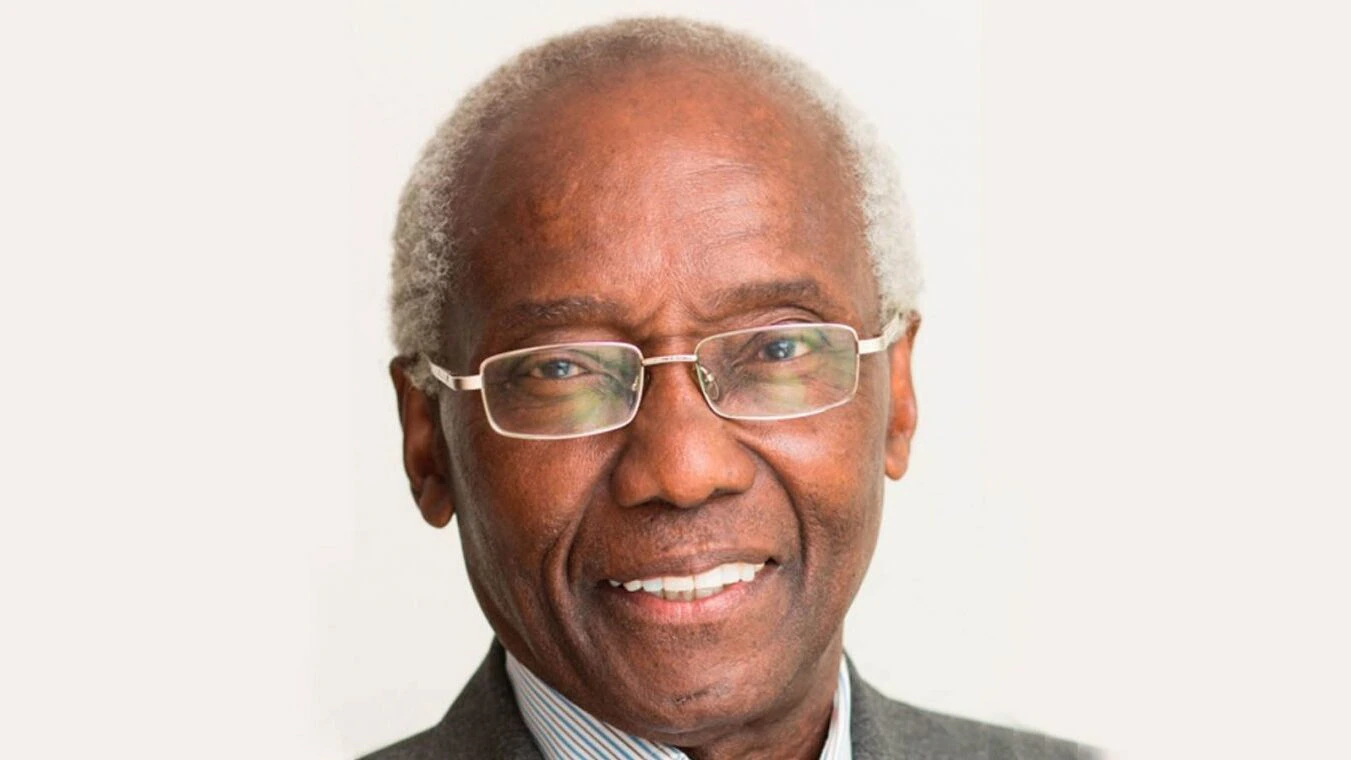
The work was overseen by a steering group chaired by Geoff Palmer, who died in June this year. Palmer, Scotland’s first Black professor, was an advocate for racial equality and chaired the Scottish Government’s Empire, Slavery and Scotland’s Museums project from 2020 to 2022.
Peter Mathieson, the University of Edinburgh’s principal and vice-chancellor, said: “Geoff sadly died in June 2025 but he had seen the draft report and he and I reflected together on the importance of this work, and its legacy, very shortly before his death. We will honour his memory through our ongoing commitment and contribution to advancing race equality within our institution and in society more broadly.”
Tommy Curry, co-chair of the Race Review’s Research and Engagement Working Group, said: “This review demonstrates a level of self-reflection that very few institutions have had the courage to embark on. Through the work of myself and my research colleagues, we have fundamentally changed what we understood as the Scottish Enlightenment.
“We have shown that the study of racial difference had a major home here, and that there are legacies of discrimination that we still have to correct today. We hope our findings will enable the University to emerge as a better version of itself. This sets a standard for other institutions to not only reconsider their historical perspectives and legacies, but also their institutional culture.”
Advertisement
The Race Review initiative was carried out to reassess current policies and procedures, as well as to explore historic links. A Race Review Policy Report, which advises on how current practice might be adapted to better reflect the university’s values, proposes nearly 50 recommendations for the university to consider.
The actions include supporting continued research into racial injustice, strengthening connections with racially minoritised communities and boosting scholarship opportunities for underrepresented groups.
There is also a recommendation to create an exhibition about the themes of the review. This will include contributions from researchers, students, staff, community members and others.
The review includes a recently published report – Decolonised Transformations: Confronting the University of Edinburgh’s History and Legacies of Enslavement and Colonialism. The university’s Anatomical Museum features heavily in the report.
In a section on community engagement under the theme of Restitution and the Anatomical Museum, the report makes a number of recommendations including the need for clearer information online about the process of repatriation and who to contact, and the need to ringfence money for descendant communities to visit their ancestors and build relations with Anatomical Museum staff.
The report also discusses how the Anatomical Museum “holds a large collection of ancestral remains, notably skulls, that were taken, without consent, from prisons, asylums, hospitals, archaeological sites and battlefields, with many having been stolen and exported from the British empire’s colonies or through their global networks”.
As well as the Anatomical Museum, the University of Edinburgh also has the Talbot Rice Gallery, St Cecilia’s Hall: Concert Room and Music Museum and the Cockburn Geological Museum.
The university also holds natural history collections and other items under the Heritage Collections banner, including rare books, manuscripts, archives, art and historic musical instruments.