A multisensory interpretation toolkit is among the outcomes of the Sensational Museum research project, which comes to an end in October.
The £1m project, funded by the Arts and Humanities Research Council, was created to rethink the role of senses in museums. The aim was to help organisations design and create sensory interventions that are accessible to all by using what is known about disability to change how museums work for everyone.
The toolkit is designed to support museums to work with disabled, neurodiverse, d/Deaf and non-disabled people to co-create museum interpretation/experiences. It has been used by a number of museums to create a range of multisensory experiences. Many of these museum interventions are available to visit (see box below).
The Sensational Museum has also created a Collections Demonstrator, which is designed to help people explore and test inputting multisensory information on collections, access media, spaces and personal requirements into a simulated digital collections management system.
The Sensational Museum has been led by Hannah Thompson, a professor at Royal Holloway, University of London.
“Throughout this project we've been asking how the heritage sector can create welcoming, inclusive, engaging content and spaces that are accessible to non-disabled and disabled visitors – that is, in fact, all visitors,” said Thompson at a recent showcase held in London to mark the end of the project.
Advertisement
“Our aims throughout this project have been to seek alternative, equitable and progressive understandings of the sensational qualities of museums.
“We've been trying to focus on design that ensures that no one sense alone is necessary or sufficient. And we've been doing this by building everything we do in collaboration with disabled communities and heritage professionals. Our hope is that what we've done will go some way to enabling a sustainable long-term change in museum practice.”
The Sensational Museum team also included social design specialist Anne Chick, University of Lincoln; psychologist Alison Eardley, University of Westminster; and Ross Parry, a professor of museum technology at the University of Leicester.
The two research associates were Charlotte Slark from the University of Westminster and Sophie Vohra from the University of Leicester.
The Museums Association was among the partners, with others including Barker Langham, Collections Trust, Group for Education in Museums, The Museum Platform, Scottish Museums Federation, Wellcome Collection and AVM Curiosities.
Sensational Museum interventions in museums
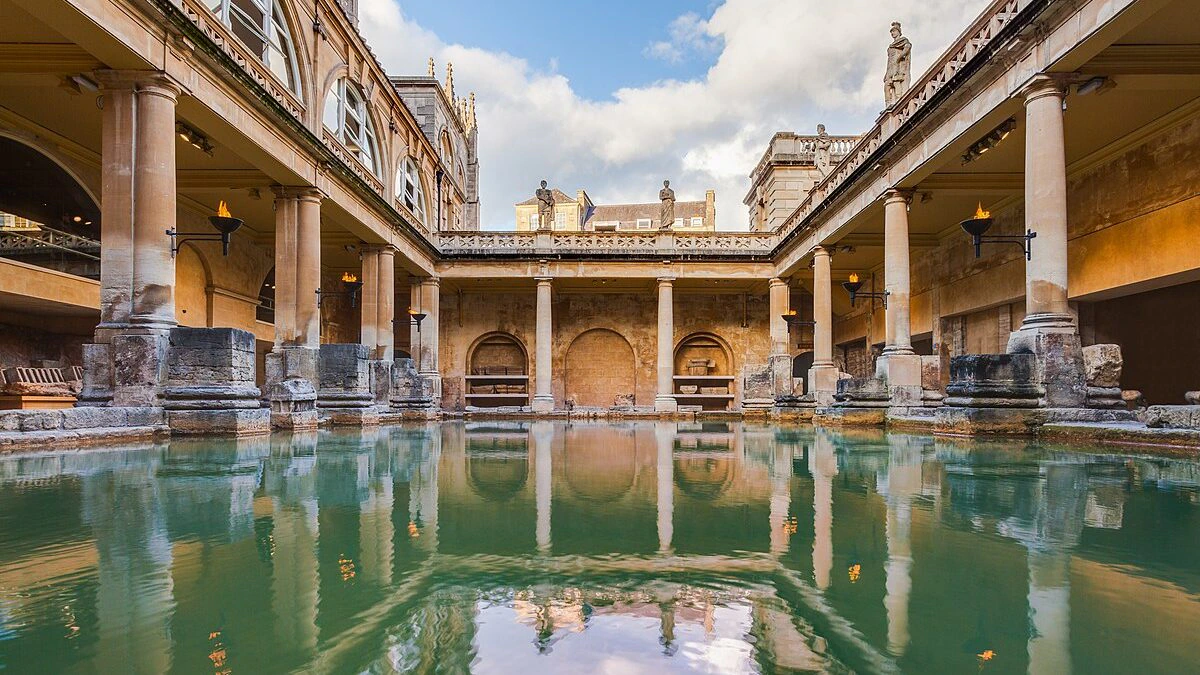
Sensing the Roman Bathing Routine
The Roman Baths, Bath
Until September (exact end date tbc)
Berwick Cockles
The Storehouse at Berwick Barracks, Berwick-Upon-Tweed
Until September (exact end date tbc)
Sensing the Past of Peru
Museum of Archaeology and Anthropology, Cambridge
Until July 2026
Ethel Mairet’s Workshop
Ditchling Museum of Art + Craft, Ditchling
Until 1 February 2026 (part of the It Takes a Village exhibition)
Innovation Through Comparison
The History Store, Hereford Museum and Art Gallery (Hereford)
Ongoing
Crafting the Landscape: The Journey of a Piece of KSIA
Keswick Museum and Art Gallery, Keswick
Until late September
The Family Home Lost to Time
Shakespeare’s New Place (Stratford-Upon-Avon)
Until 2 November