The National Slate Museum in Llanberis has been awarded £12m by the National Lottery Heritage Fund towards its ongoing redevelopment.
The project is one of a number of capital redevelopments that have received funding or got underway in the museum sector in the past few weeks (see below).
The grant is a significant milestone for the National Slate Museum, which is closed until 2026 while the revamp is underway. The funding means that work on the redevelopment can move forward to the next stage.
The Grade 1 listed museum building in Llanberis has been home to the National Slate Museum since 1972, when it was first opened to the public after the closure of the Dinorwig slate quarry in 1969.
The museum is at the heart of the slate landscape in north Wales, which was recently designated Unesco world heritage site. The redevelopment is intended to tell the globally significant story of how slate from north-west Wales was used to “roof the world”.
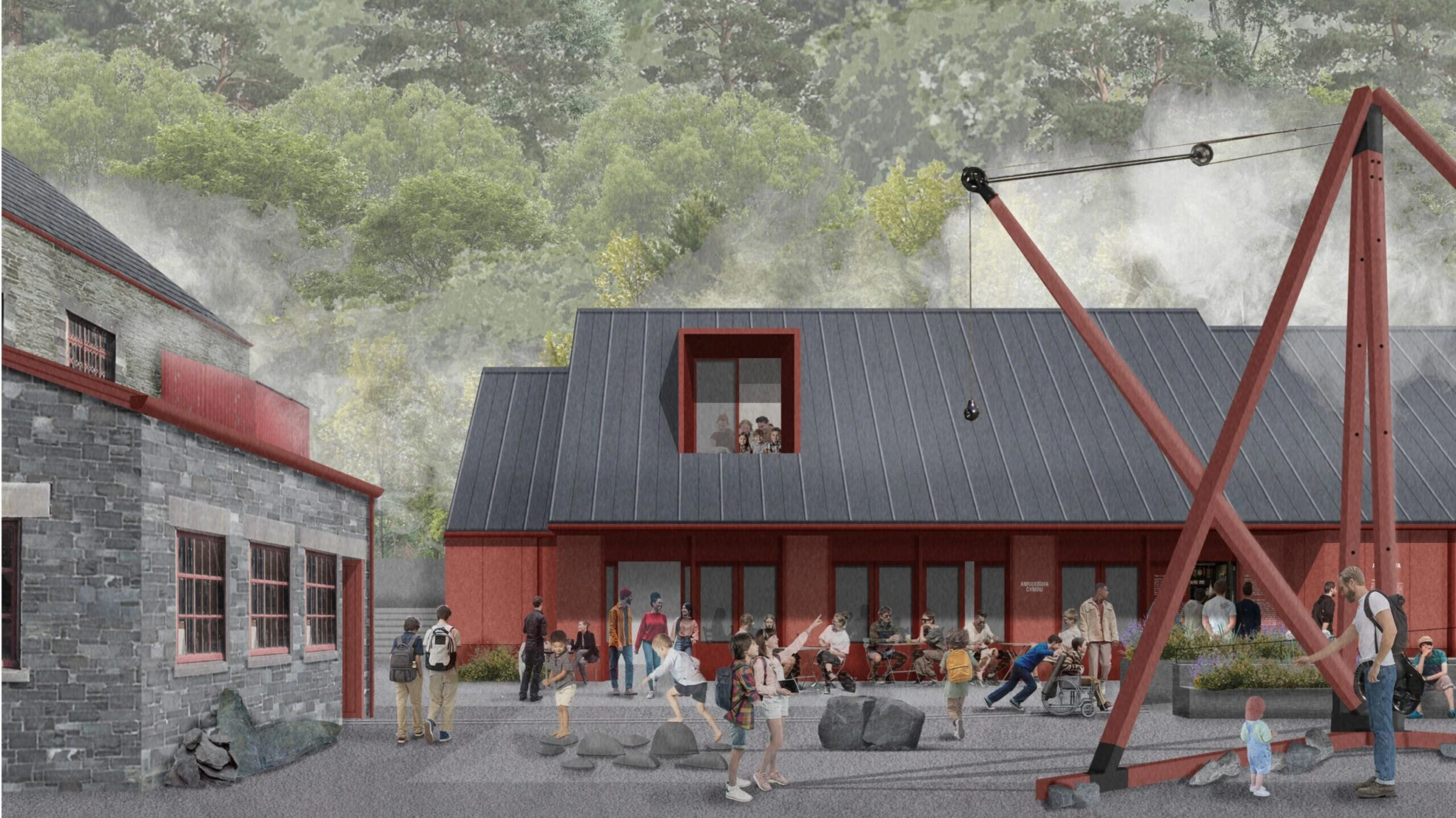
Works at the museum aim to transform the experience for visitors and create a sustainable future for the site, while retaining the essence of the industrial workshops.
Advertisement
The redevelopment will create a new learning centre, play area, shop and café, as well as improving accessibility throughout the site and creating more opportunities to discover the slate story through new exhibitions and interpretation.
The local community has been put at the heart of the project, helping to shape the story and the visitor experience. The Welsh language – which is spoken by 100% of the staff at the museum – will be embedded at all stages of the project, spotlighting how the slate industry helped the language to survive and thrive in North Wales.
New exhibition spaces will allow Amgueddfa Cymru to share more items from the national collection, bringing more exhibitions to north Wales for the first time.
The project will conserve the historic fabric of the site as well as contributing to the regional economy, offering employment opportunities, student work placements and traineeships. The funding will also enable the site to continue to develop its role as a living museum by offering
Conference 2025: Perthyn – Belonging
Focus on the National Slate Museum redevelopment
Discover more about the project at this year’s Museums Association Conference at St Fagans, Cardiff, on 7-9 October
Jane Richardson, chief executive of Amgueddfa Cymru, said: “We are truly thrilled to have been awarded this significant grant from the National Lottery Heritage Fund which means we can progress the redevelopment plans with certainty. This is a key milestone in the Llanberis redevelopment project and is exciting news for us, for the wider community, and for everyone in Wales.
Advertisement
“Thanks to National Lottery players, we can now conserve the history of the National Slate Museum for future generations and move towards a more sustainable future for the Museum which will be more inclusive, more accessible, and which will inspire growth and learning. This will mean even more people can access and enjoy the global success story of North Wales slate.”
£4.6m to restore Chatsworth House cascade
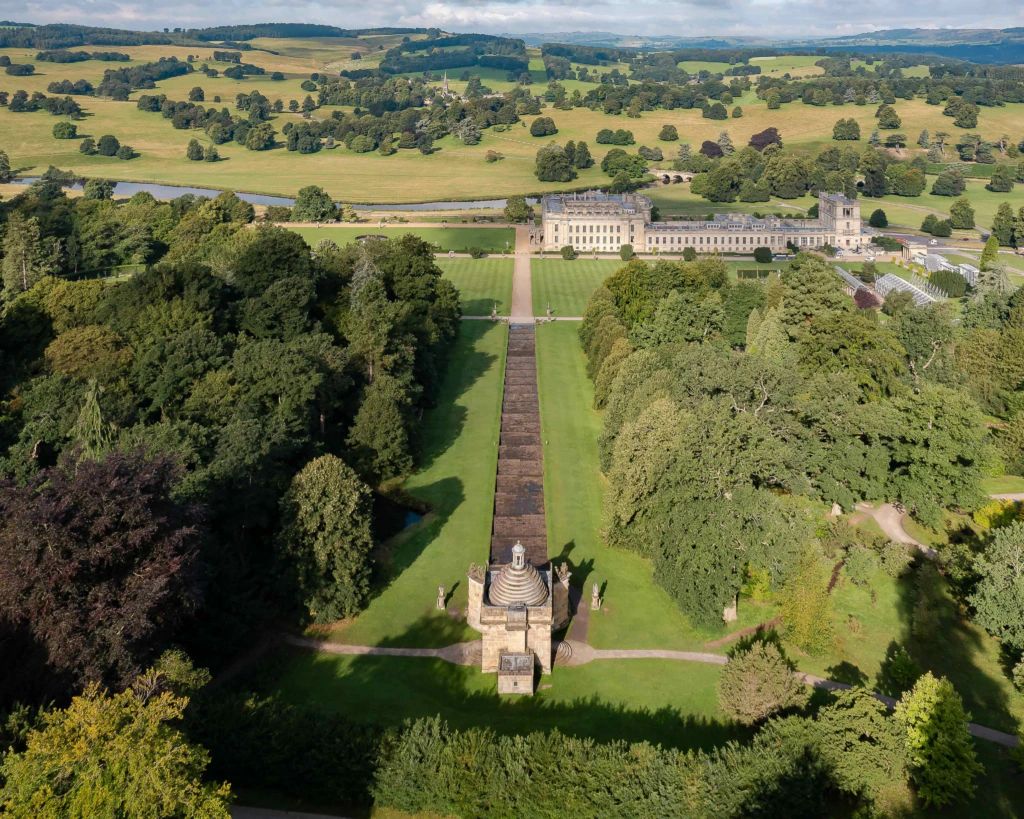
Chatsworth House Trust, the charity responsible for caring for the house, garden, parkland and collections at Chatsworth, has received £4.6m from the Heritage Fund to support the restoration of its historic cascade, and create a new learning and audience development programme for Chatsworth Garden.
The award follows a £422,000 grant in 2023 to kick start the project and marks a significant milestone in the trust’s Celebrating the Cascade campaign. Built over 325 years ago, the cascade is recognised as a significant feat of engineering and nature-inspired design, providing a focal point in the garden. However, the water has been switched off on the cascade as it is urgently in need of repair due to severe water damage and structural decline. The total cost of the project is estimated to be £7.5m.
The trust has committed to raising the remaining funds required from ticket sales, memberships and support from other donors and partners.
Advertisement
Jane Marriott, director of Chatsworth House Trust, said: “We are incredibly grateful to the National Lottery Heritage Fund for their generous support, which has made it possible for us to safeguard the Cascade at Chatsworth, one of Britain’s most iconic water features.
“As a charity, this funding plays a huge role in enabling Chatsworth House Trust to deliver on its mission to preserve this extraordinary heritage site for everyone to enjoy. In caring for the house, garden, collections and parkland, we can continue to undertake vital restoration, while delivering on new initiatives for visitors and our communities to experience Chatsworth’s nature, culture and heritage.”
Food Museum gets £3.9m
The Food Museum in Suffolk has received an award of £3.9m from the Heritage Fund.
The UK's only museum of food is made up of 17 historic buildings on 84 acres and the project focuses on the restoration of three historic buildings and repairing the Grade II* listed medieval barn, Stowmarket’s oldest secular building.
Food Museum director Jenny Cousins, said: “We are delighted to have been awarded the funding to transform the Food Museum. We want people to have a great time at the museum, learn something and reflect on their relationship with food. The project will not only improve the condition of historic buildings and objects, it will build on the work we have done over the last 10 years to create a top-quality experience for residents and visitors to the area alike.”
Work begins on Stonehenge learning centre
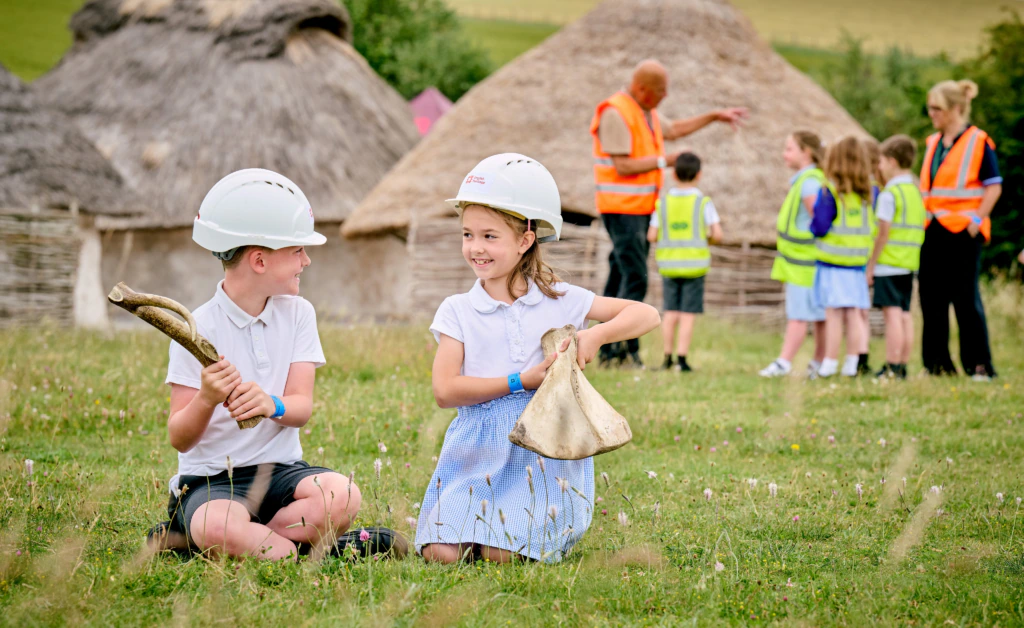
English Heritage has kicked of a project to create a new accessible learning centre at Stonehenge. The Learning at Stonehenge project includes a Stem discovery lab and digital studio, a classroom in the shape of a hands-on Neolithic Hall, and a new Stem in Heritage programme for school visits.
The project aims to enable more schoolchildren to visit and learn from the Unesco world heritage site. It responds to the huge demand for Stem learning and aims to explore topics of science, technology, engineering and maths in an “accessible and engaging way”.
Using historically authentic methods and locally sourced materials, including thatch, coppiced timber and chalk daub, part of the project will see English Heritage building a classroom in a reconstruction of a Neolithic building big enough for 30 students, based on archaeological evidence from nearby prehistoric settlement Durrington Walls.
The volunteer-led project will bring together existing Stonehenge volunteers and students from Exeter and Bournemouth universities, working under the guidance of the experimental archaeologist Luke Winter.
Local schools will have opportunities to participate, offering a “rare hands-on learning experience”. The resulting Kusuma Neolithic Hall will allow learners to gather around the hearth, handle replica tools and discover what everyday life was like 5,000 years ago.
The new, environmentally sensitive learning centre, will house a Clore Discovery Lab, Weston Learning Studio, digital production studio, Wolfson Foyer and an open-air courtyard to support sensory learning. It will also include a Changing Places space and a smaller break out area for those with different educational needs.
Steve Bax, English Heritage’s operations director for Stonehenge and West, said: “Over the past few years, we have seen a rocketing demand for multi-disciplinary educational experiences, where our heritage sites can be used to engage and inspire young people in subjects such as science and maths.
“At Stonehenge, students can trace the impact of human activity on the environment, learn how prehistoric engineers raised the stones, explore the relationship between the sun and Stonehenge and discover how geophysical surveys can uncover buried secrets. Our new facilities aim to make these Stem topics far more accessible to students who struggle to engage with them in a traditional classroom environment.”
Construction began on 30 June 2025.
Street front parade for London Museum
London Museum has announced the inclusion of a new street front parade of shops, restaurants, cafes and offices located around the museum. One of the most ambitious cultural regeneration projects of the decade, the museum is due to open in 2026 and is expected to attract over two million visitors annually.
The retail, office and leisure offers, which will be known as museum “houses”, will occupy a unique position around the 150,000 square foot General Market building. Each will retain its original character and design, with the potential to host independent retailers and restaurants, as well as office space for charities, social enterprises or other organisations. They will sit alongside the museum’s own retail offers, as well as its bar, restaurant and café.
Alec Shaw, director of the New Museum Project and Estate at the London Museum, said: “From the beginning of this project, our vision for the museum has been to create something for London - with Londoners - that tells the rich and vibrant story of this city.
“These street-front spaces offer us an entirely new way to do this and we’re excited to work with partners who share our love for London, whether that’s music studios, independent retailers, charities, or favourite London brands. As we bring the market back to public use for the first time in almost four decades, we want to bring together a community that works in symbiosis with the museum and helps us shape a major new cultural quarter.”
New design unveiled for Hampton Court Palace’s Great Fountain Garden
Historic Royal Palaces, the independent charity that cares for Hampton Court Palace, has unveiled plans for an new planting scheme in the Great Fountain Garden, with the aim of uniting royal gardening tradition with sustainable design for the 21st century.
Led by garden designer Ann-Marie Powell, the transformation will create a climate resilient and biodiverse landscape rooted in the site’s royal heritage. The project is a key expression of the charity’s Sustainability Action Plan and its ambition to be nature-positive and carbon net zero by 2050.
First laid out between 1689 and 1696 by King William III and Queen Mary II, the garden was designed in the formal Anglo-Dutch style by Daniel Marot, featuring lime tree avenues and sculpted yew topiary aligned with the Queen’s State Apartments.
The new design introduces 32 planting beds and borders across 1.5 acres, featuring nearly 300 species.
Powell said: “Designing for the Great Fountain Garden is both an honour and a thrilling challenge. This space has been shaped by centuries of royal vision—from formal Anglo-Dutch elegance to exuberant Victorian colour—and now, we’re adding a new layer: one that speaks to the future as much as the past.
“Our design is about reimagining beauty through the lens of sustainability, resilience, and biodiversity. We’re not just planting for visual impact—we’re planting for pollinators, for changing weather, for longevity. Every plant has a purpose and a place.”