The Cultural Learning Alliance has called on a future UK government to rethink the role of the expressive arts in education after it published a damning report that shows creative and cultural education in England’s state schools has been systemically deprioritised over the past 14 years.
This is the first time the charity has examined key arts education data from 2010-2023 in one place. Its report found a 42% decline in arts GCSE entries since the Conservation-led coalition government came into power in 2010. More than 40% of English state schools are no longer entering any pupils for music and drama GCSEs.
The report points to the introduction of the EBacc in 2010, along with the programme of school academisation, which led in 2011/12 to the government stopping funding a range of national arts education initiatives.
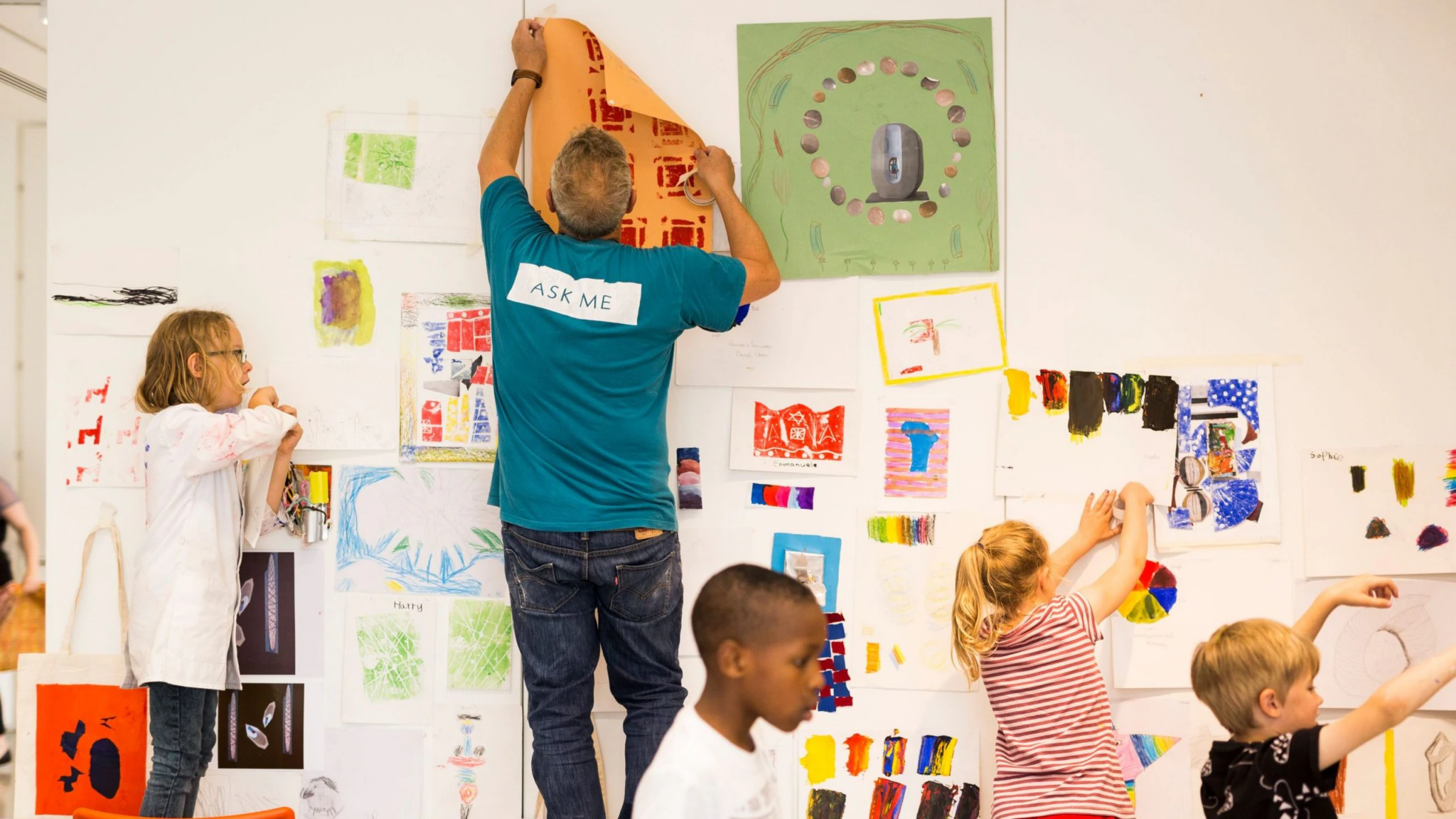
This decline of in-school opportunities for art and design, dance, drama and music – collectively known as the expressive arts – has created a crisis in cultural education, the report warns.
“We now have a very clear view of what has been happening to expressive arts education in state schools over the past 14 years – since the introduction of the EBacc – and it is a stark picture of erosion and inequality,” said Sally Bacon and Derri Burdon, co-chairs of the Cultural Learning Alliance, in their introduction to the report.
“The decline has been driven primarily by a government focus on a narrow range of subject areas and therefore a systemic downgrading or exclusion of arts subjects and experiences. Despite all that is known about the value of arts subjects for children and young people, there has been a lack of value ascribed to the arts within the state education system in England.”
Advertisement
In contrast, Wales has prioritised the expressive arts through a curriculum that the alliance says is “future-facing and puts the needs of the learner first”.
The report also found evidence of an enrichment gap, with young people from wealthier backgrounds having far greater participation in the arts – in and out of school – compared to their peers from lower-income backgrounds.
Findings in the report during the Covid lockdown periods highlight that families in poverty were more dependent on support from schools for accessing the arts than those living outside of poverty, and were more likely to stop arts activities. Since the pandemic, children from disadvantaged backgrounds are 40% less likely to participate in performing arts activities outside school compared to children from higher socio-economic status families.
The report was published ahead of the prime minister Rishi Sunak calling a general election on 4 July. However, the Cultural Learning Alliance has also published a Blueprint for an Inclusive Arts-rich Education for Every Child, which calls for:
- New purposes for education – with the expressive arts as a core and equal curriculum area mapped onto these new purposes.
- A minimum four-hour arts entitlement within the school week.
- Reform of the school accountability system – including scrapping the EBacc.
- A commitment to ensuring that the cultural sector can respond strategically to meet the needs of young people in schools and their communities, and is resourced to do so.
Baz Ramaiah, head of policy at the Centre for Education & Youth, who wrote the report, said: “The expressive arts have a central role to play in bringing meaning and joy into young people's lives. However, they are also key to providing young people with the skills that they will need in the world of work, especially with the creative industries being such a large contributor to the British economy.
“It is therefore vital that politicians and policymakers take the findings in this [report] seriously and act to restore the role of the expressive arts in schools to where our young people and our economy needs it to be.”
The Future of Museums: School Programmes
Sign up for our one-day conference on working with schools
The event on 29 January 2025 will explore the current landscape for school programmes, and interrogate how museums might adapt their programmes into the future.