The National Trust is to reopen Sudbury Hall in Derbyshire as its first property dedicated to children.
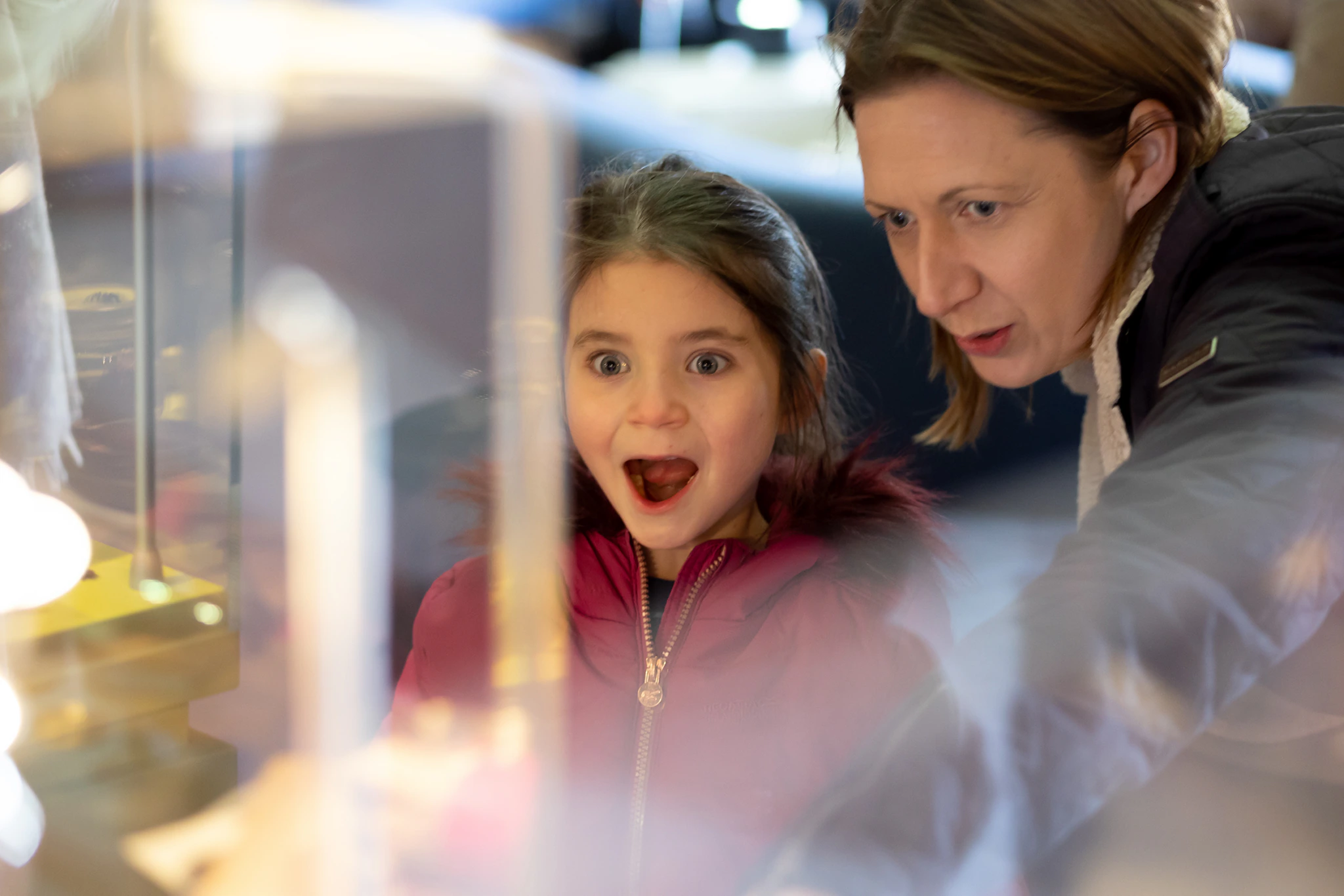
The Children’s Country House concept has been developed with a group of child “ambassadors” who have worked with curators, conservators and others to create the experience. The aim is to make families feel welcome and to develop the knowledge, confidence and curiosity of young visitors as they explore the late-17th century hall. Sudbury Hall will reopen as the Children’s Country House later this year.
“An attraction for many families at Sudbury Hall has been the Museum of Childhood in the Victorian wing of the hall, which charts the story of work, rest and play for children through the ages,” said John Orna-Ornstein, director of curation and experience at the National Trust.
“We invited children to take a look at the hall itself and the historic rooms and decoration in order to develop an experience through their eyes. They worked with curators, conservators and other experts and we hope the result will create a lifelong love of heritage in children.”
Exhibition design firm Creative Core has advised the trust on the interpretation and activities, which include planning adventures and voyages in the book-lined Talbot Room, typing book reviews in the library, “becoming” a portrait in the Long Gallery and choosing a costume and dancing, clapping or singing along to music in the candlelit Saloon.
Emma Hawthorne, an assistant director at the National Trust, said staff have worked hard to find out what the children want.
Advertisement
“We are trying to get children to enjoy the spaces and for them to get into the history and the conservation,” Hawthorne said. “And we are trying to create different opportunities for different kids as not of all them want the same things. I think it will be interesting for us – it does feel quite new for the trust.”
Conservation work continued during the development of the Children's Country House, including the restoration of the Great Stairs, a £50,000 project that will enable the staircase to be used by visitors for the first time in 40 years.
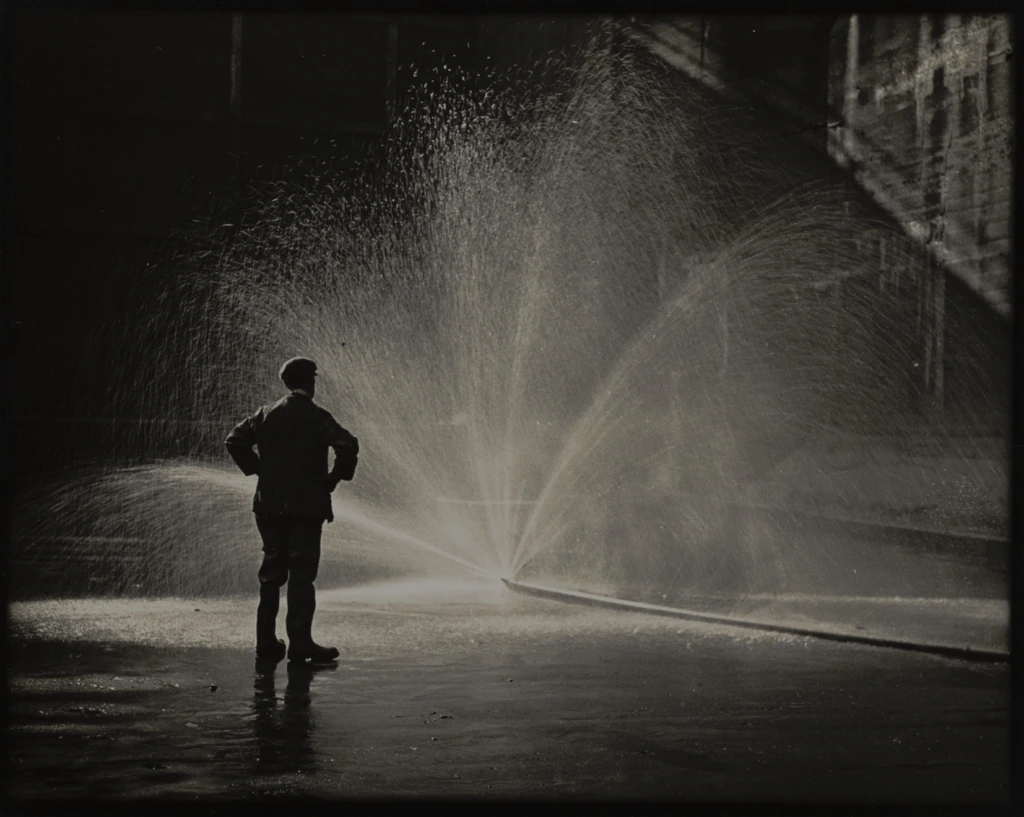
Other National Trust plans for this year include a two-year project to catalogue and conserve many of the 140,000 prints and negatives in the photographic collection of portrait and landscape photographer Edward Chambré Hardman and to make it more accessible for people to enjoy.
Hardman and his wife Margaret lived and worked at a house in Liverpool for 40 years. Visitors to Hardmans’ House can see the home and photographic studio as it was in the 1950s.
The Hardmans Unpacked project has catalogued, digitised and conserved thousands of images in collection, and in the summer the first 4,000 never-before-seen prints, negatives and letters will be available to view on the trust’s collections website.
Advertisement
The National Trust is also completing a number of building projects in 2022, including the eight-year conservation of Castle Drogo in Devon.
Castle Drogo was designed by architect Sir Edwin Lutyens and its flat roof has been a problem ever since it was built. The conservation of the building was supported by individual donors as well as Interreg, the Department for Digital, Culture, Media & Sport and the National Lottery Heritage Fund.
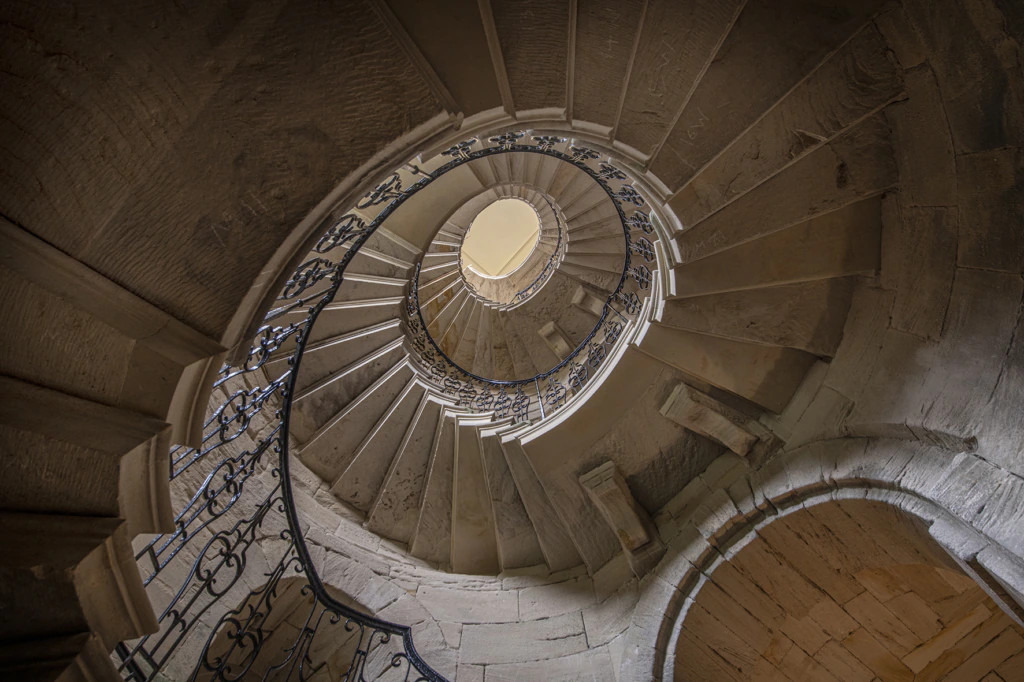
The trust has also been conserving Seaton Delaval Hall, Northumberland, which will reopen in July. The building, by architect Sir John Vanbrugh, was hit by a fire in 1822. The National Trust has been carrying out a multimillion-pound National Lottery Heritage Fund-supported project to restore the fire-ravaged house and tell the story of those who lived there.
The Delavals were flamboyant Georgian partygoers and the trust said their their story will will be told in playful style, with a Baroque-style travelling theatre in the Old Kitchen; a Delaval version of the Game of Life, a Georgian game of morals; and a three-metre ship in a bottle that nods to the family’s maritime connections and their nearby bottleworks.
Also in Northumberland, Lindisfarne Castle has been exploring different ways of uncovering the site’s history. This includes Song (After Nature), a soundscape installation by artist Paul Rooney that opened in March and can be seen until 30 October.
The work was inspired by the sounds of Holy Island, some of which can be heard in the 16th-century castle. These include the calls of the island’s grey seals, along with the cries of gulls, waves crashing on the shore and wind blowing across the open expanses.