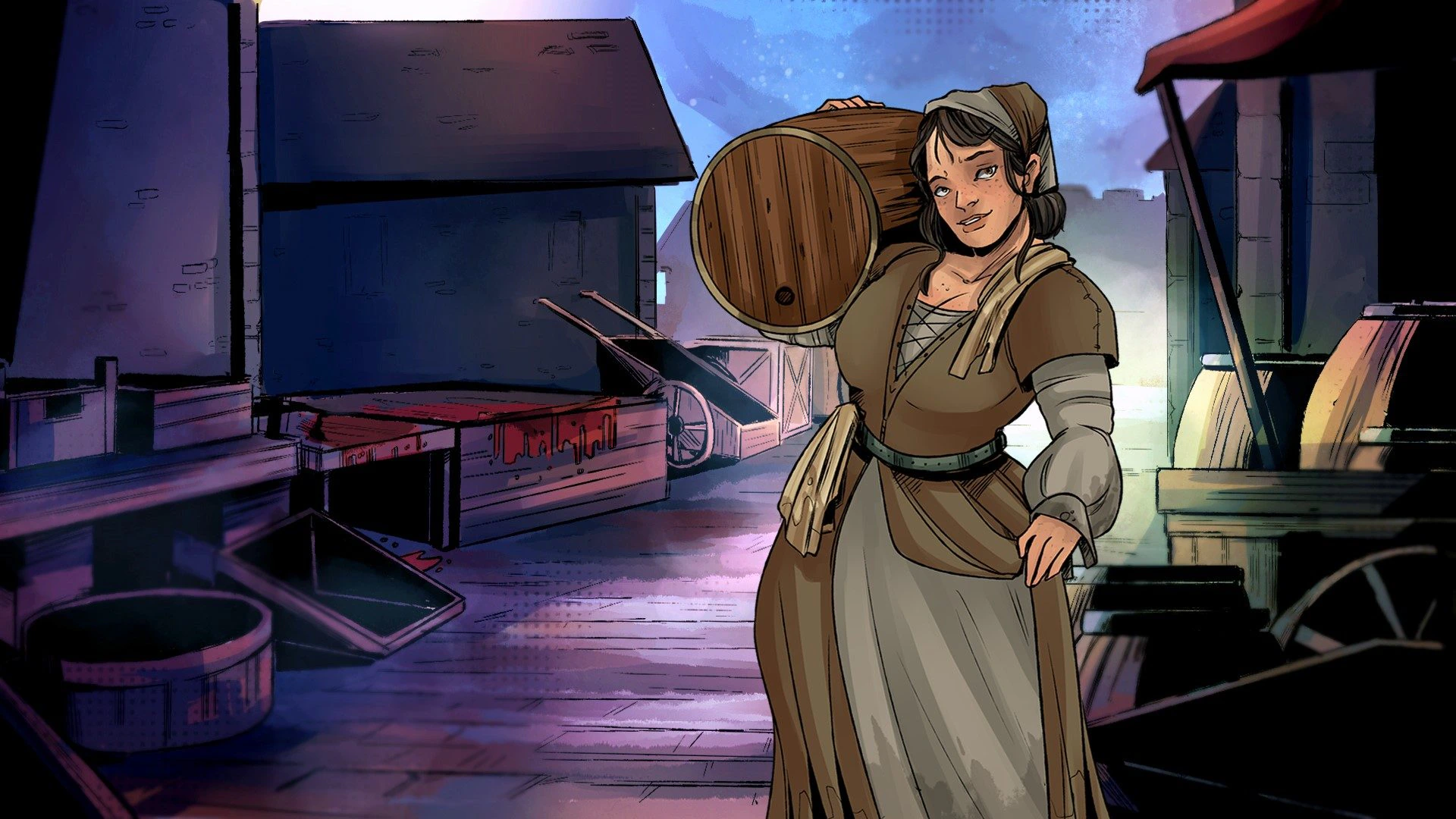
A computer game exploring plague-ridden medieval Aberdeen has been created based on research of the city's 600-year-old Burgh Records.
The game, entitled Strange Sickness, is inspired by real events and characters recreated by historians at the University of Aberdeen. It is part of the Burgh Records Project, a collaboration between the university and Aberdeen City and Aberdeenshire Archives that has been underway since 2012.
Aberdeen has the earliest and most complete body of surviving records of any Scottish town, with a near continuous run of council registers from 1398 to the present.
Drawing on more than 5,000 pages of records covering medieval and early modern Scotland, the interactive fiction game takes players to late 15th-century Aberdeen, where they play as Aberdeen Town Council member Robert Collison during a plague outbreak.
The game was funded by a Kickstarter campaign and its development was led by University of Aberdeen historian William Hepburn, who created the concept for the game and wrote the story. The game's mechanics were designed by game developer Katharine Neil, with visuals created by artist Alana Bell.
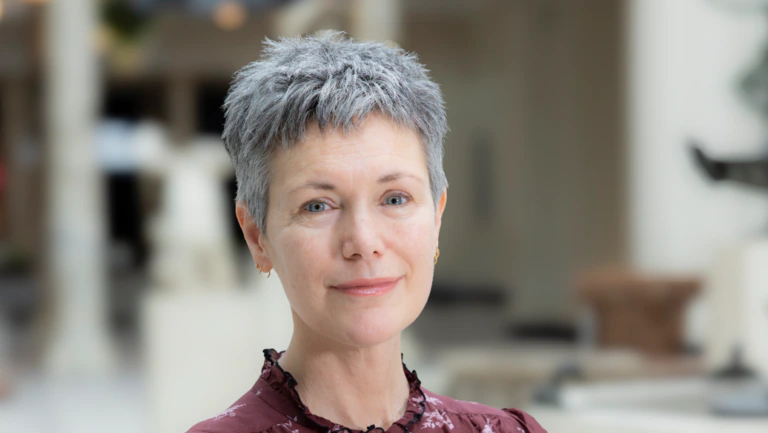
Jackson Armstrong, who led the Burgh Records Project and helped in the game's development, told Museums Journal: “We have digitised 1.5 million words of texts from medieval Aberdeen, mostly from the 15th century. These are a fabulous source for telling us about life in medieval Scotland.
Advertisement
“William Hepburn has been with us for two projects, and one was about exploring the potential of the records for developing games.”
He added: “The game project has grown slowly alongside the academic project in the Burgh Records.”
Covid-19 also influenced the game's development, said Armstrong. “[The pandemic] was certainly a context which helped to bring those issues into sharper relief. It gave a context to the way we could explore public health and disease through the narrative of a game.”
“Our goal with this project was to explore the ways that historical writing and historical research can influence the making of games and we wanted to make our historical research process transparent in the game itself.”
On whether he would like to see Strange Sickness used in schools, Armstrong said: “I think that would be wonderful. We certainly didn’t design it with that as a specific intention, but we would hope that teachers and students could engage with the historical process and historical records and how that has translated into the game and think about how other historically based games tackle similar challenges.”
He added: “We hope people will enjoy the video game experience and that it can showcase not only life in the Middle Ages but the creative potential still alive in the Burgh Records more than 600 years after they were first created.”
Profits raised from the first year of sales of Strange Sickness will be split equally between the Lord Provost’s Charitable Trust and vaccinaid.org, a Unicef-funded initiative to deliver Covid-19 vaccinations to the most at-risk people around the world.