Creative Scotland has announced a shakeup of its funding, with 49 organisations losing their regular funding.
The national arts agency announced last week that changes in its own funding meant it would be scrapping its current model of offering two-year funding agreements.
Instead, from next April, 49 organisations will have to apply for funding for individual projects. They include the Centre for Contemporary Art (CCA) in Glasgow, Inverleith House in Edinburgh and Talbot Rice Gallery, part of the University of Edinburgh.
A further 22 organisations will receive annual funding agreements, including Arts and Business Scotland, Craft Scotland and the Shetland Arts Development Agency. Core funding has also been offered for 44 major “foundation” organisations, such as the Edinburgh international festival and Dundee Contemporary Arts.
Creative Scotland said the change “reflects both the long-term strategic aims for Creative Scotland and the cultural sector as a whole as well as the changing nature of the way creative Scotland receives its income”.
The agency received a £2.1m cut to its core budget in Scotland’s culture budget last September and estimates its grant-in-aid will be about £33.4m in 2014, representing 42% of its total income. This is down from £35.5m in 2010, or 53% of its income.
At the same time, lottery funding is expected to rise, from £18m in 2010 (or 27% of its income) to £32m in 2014 (41% of its income).
Writing in the Scotsman, Andrew Dixon, chief executive of Creative Scotland, said the change was not about cuts: “It is about building a sustainable infrastructure of cultural organisations across Scotland.”
Affected organisations were informed of the changes earlier this month, and have now been offered one-to-one meetings with Creative Scotland to discuss the details of their future funding agreements.
A spokeswoman for the CCA said the full ramifications of the funding change were still not clear. It previously received £515,000 annually from Creative Scotland.
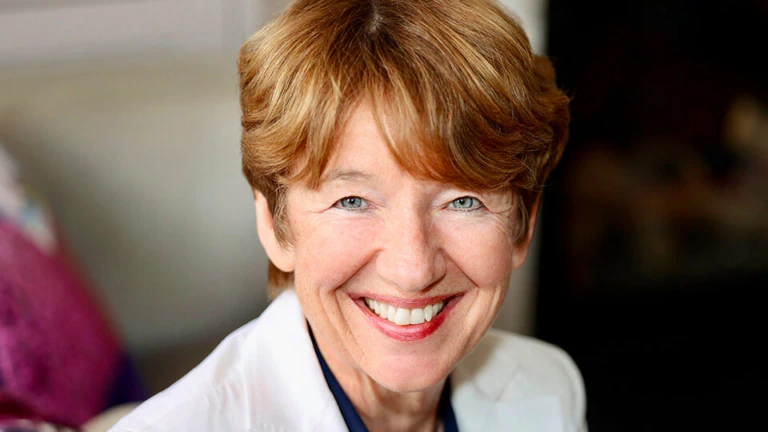
The Common Guild, a visual arts organisation based in Glasgow, will also lose its core funding from Creative Scotland next April. Its director, Katrina Brown, said uncertainty about funding was “debilitating”.
“It is fair to say that, as things stand, there is considerable anxiety across the sector that project-funding will simply not work for most organisations, who need to be able to plan coherent and consistent programmes rather than one-off events, and can only do so from the starting point of a strong core,” she said.
The national arts agency announced last week that changes in its own funding meant it would be scrapping its current model of offering two-year funding agreements.
Instead, from next April, 49 organisations will have to apply for funding for individual projects. They include the Centre for Contemporary Art (CCA) in Glasgow, Inverleith House in Edinburgh and Talbot Rice Gallery, part of the University of Edinburgh.
A further 22 organisations will receive annual funding agreements, including Arts and Business Scotland, Craft Scotland and the Shetland Arts Development Agency. Core funding has also been offered for 44 major “foundation” organisations, such as the Edinburgh international festival and Dundee Contemporary Arts.
Creative Scotland said the change “reflects both the long-term strategic aims for Creative Scotland and the cultural sector as a whole as well as the changing nature of the way creative Scotland receives its income”.
The agency received a £2.1m cut to its core budget in Scotland’s culture budget last September and estimates its grant-in-aid will be about £33.4m in 2014, representing 42% of its total income. This is down from £35.5m in 2010, or 53% of its income.
At the same time, lottery funding is expected to rise, from £18m in 2010 (or 27% of its income) to £32m in 2014 (41% of its income).
Writing in the Scotsman, Andrew Dixon, chief executive of Creative Scotland, said the change was not about cuts: “It is about building a sustainable infrastructure of cultural organisations across Scotland.”
Affected organisations were informed of the changes earlier this month, and have now been offered one-to-one meetings with Creative Scotland to discuss the details of their future funding agreements.
A spokeswoman for the CCA said the full ramifications of the funding change were still not clear. It previously received £515,000 annually from Creative Scotland.
The Common Guild, a visual arts organisation based in Glasgow, will also lose its core funding from Creative Scotland next April. Its director, Katrina Brown, said uncertainty about funding was “debilitating”.
“It is fair to say that, as things stand, there is considerable anxiety across the sector that project-funding will simply not work for most organisations, who need to be able to plan coherent and consistent programmes rather than one-off events, and can only do so from the starting point of a strong core,” she said.