Despite the economic gloom, museums have enjoyed a surge in popularity. Visitor figures for 2009-10 rose almost universally.
Amgueddfa Cymru – National Museum Wales had 1.64 million visits to its sites in 2009-10, up 7.6 per cent on the previous year, a figure bettered only in 2007, which was its centenary year.
The Welsh Assembly commissioned research that asked a range of attractions why they thought visitor numbers had risen. The four most commonly cited reasons among the 118 responses were, in order of priority, the credit crunch, weather, advertising and marketing, and improved facilities.
Blists Hill Victorian Town at the Ironbridge Gorge Museum, Shropshire, invested £12m to improve its facilities in 2009 with a new visitor centre and cafes, and an expanded car park.
Chief executive Steve Miller said the 10 museum sites could comfortably cope with 650,000 visitors – the current total is 567,000 across all sites.
He added that it would be museums’ actions that would determine whether visitors kept coming back.
Miller said their focus was on staff training, investment and customer care. “We want people to be blown away by the quality of our customer service,” said Miller.
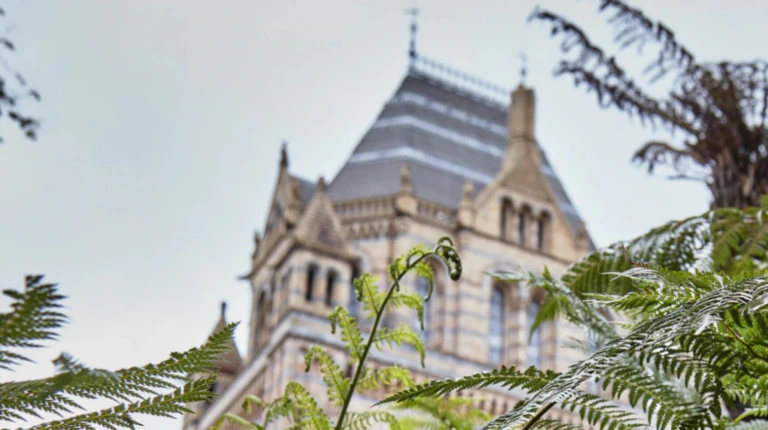
In contrast to the Welsh survey, the Natural History Museum (NHM) puts its year-to-date increase in visitor figures of 31 per cent down to its own museum strategy rather than just external factors. Investment in new toilets and accessible lifts, and the Darwin Centre opening in September 2009, have raised its profile.
Sharon Ament, director of public engagement, said all events relate to the NHM brand, meaning the visitor is clear what is on offer, with the website linked to the physical environment.
She added that the recession and people looking for free days out were significant factors in the rise in visitor numbers, although people still had a choice and would come only if they deemed it worthwhile.
But the rise in visitors does have a downside, such as more wear and tear of exhibits and interactives and longer queues. Miller said he isn’t happy if visitors queue for more than 20 minutes.
Ament said a queuing system, tickets for dinosaurs and special exhibits, and late-night opening, relieved some of the impact.
Amy Kobelis, development manager at the Beamish Museum said they will recruit more volunteers to cope with higher visitor numbers. The open-air museum in County Durham welcomes between 1,000 and 2,000 visitors a day during the summer.
With just three per cent of its funding coming from the council, it charges £16 for adults and £10 for children – or £46 for a family ticket.
Kelvingrove Art Gallery and Museum in Glasgow has bucked the trend, suffering a slight drop in visitor figures in the same year it replaced Edinburgh Castle as Scotland’s most-visited attraction. A museum spokesman said such a fall wasn’t unusual.
But as the cuts take effect it will be interesting to see how visitor numbers are affected. Already museums in Bristol and the New Art Gallery Walsall are planning to reduce opening hours, a move that will inevitably have an impact on attendance figures.
Beamish Museum
Blists Hill, Ironbridge*
National Waterfront Museum
National Museum Wales
North Down Museum
Natural History Museum
Kelvingrove, Glasgow
National Trust**
*Museum was under development
**Figures are for properties and for financial year February 2009-February 2010
Image: Blists Hill Victorian Town
Amgueddfa Cymru – National Museum Wales had 1.64 million visits to its sites in 2009-10, up 7.6 per cent on the previous year, a figure bettered only in 2007, which was its centenary year.
The Welsh Assembly commissioned research that asked a range of attractions why they thought visitor numbers had risen. The four most commonly cited reasons among the 118 responses were, in order of priority, the credit crunch, weather, advertising and marketing, and improved facilities.
Blists Hill Victorian Town at the Ironbridge Gorge Museum, Shropshire, invested £12m to improve its facilities in 2009 with a new visitor centre and cafes, and an expanded car park.
Chief executive Steve Miller said the 10 museum sites could comfortably cope with 650,000 visitors – the current total is 567,000 across all sites.
He added that it would be museums’ actions that would determine whether visitors kept coming back.
Miller said their focus was on staff training, investment and customer care. “We want people to be blown away by the quality of our customer service,” said Miller.
In contrast to the Welsh survey, the Natural History Museum (NHM) puts its year-to-date increase in visitor figures of 31 per cent down to its own museum strategy rather than just external factors. Investment in new toilets and accessible lifts, and the Darwin Centre opening in September 2009, have raised its profile.
Sharon Ament, director of public engagement, said all events relate to the NHM brand, meaning the visitor is clear what is on offer, with the website linked to the physical environment.
She added that the recession and people looking for free days out were significant factors in the rise in visitor numbers, although people still had a choice and would come only if they deemed it worthwhile.
But the rise in visitors does have a downside, such as more wear and tear of exhibits and interactives and longer queues. Miller said he isn’t happy if visitors queue for more than 20 minutes.
Ament said a queuing system, tickets for dinosaurs and special exhibits, and late-night opening, relieved some of the impact.
Amy Kobelis, development manager at the Beamish Museum said they will recruit more volunteers to cope with higher visitor numbers. The open-air museum in County Durham welcomes between 1,000 and 2,000 visitors a day during the summer.
With just three per cent of its funding coming from the council, it charges £16 for adults and £10 for children – or £46 for a family ticket.
Kelvingrove Art Gallery and Museum in Glasgow has bucked the trend, suffering a slight drop in visitor figures in the same year it replaced Edinburgh Castle as Scotland’s most-visited attraction. A museum spokesman said such a fall wasn’t unusual.
But as the cuts take effect it will be interesting to see how visitor numbers are affected. Already museums in Bristol and the New Art Gallery Walsall are planning to reduce opening hours, a move that will inevitably have an impact on attendance figures.
Visitor figures 2008/09
Beamish Museum
- 2008/09 293,000
- 2009/10 380,000
- % change +29.7
Blists Hill, Ironbridge*
- 2008/09 167,000
- 2009/10 222,666
- % change +33.6
National Waterfront Museum
- 2008/09 228,760
- 2009/10 257,888
- % change +12.7
National Museum Wales
- 2008/09 1,524,806
- 2009/10 1,641,053
- % change +7.6
North Down Museum
- 2008/09 44,908
- 2009/10 54,723
- % change +22
Natural History Museum
- 2008/09 3,738,355
- 2009/10 4,105,106
- % change +9.8
Kelvingrove, Glasgow
- 2008/09 1,450,000
- 2009/10 1,370,000
- % change -5.5
National Trust**
- 2008/09 14,800,00
- 2009/10 17,200,200
- % change +16.2
*Museum was under development
**Figures are for properties and for financial year February 2009-February 2010
Image: Blists Hill Victorian Town