Museums are to get a new code of practice to guide them in dealing fairly with the human remains in their collections. The Department for Culture, Media and Sport (DCMS) has formed a working group to produce the code by July.
The code is to give guidance on holding and dealing with human remains, including the return of contentious items. The final document is intended to apply to UK and overseas remains kept in museums in England, Wales and Northern Ireland. Although the code will be non-statutory, museums will have to give good reasons for failing to follow it.
Hedley Swain is the chairman of the newly appointed working group, which includes many of the museum and university experts who sat on the previous DCMS working group that produced the 2003 report on human remains. 'The message from us will be that museums should have a proper procedure for dealing with human remains,' said Swain.
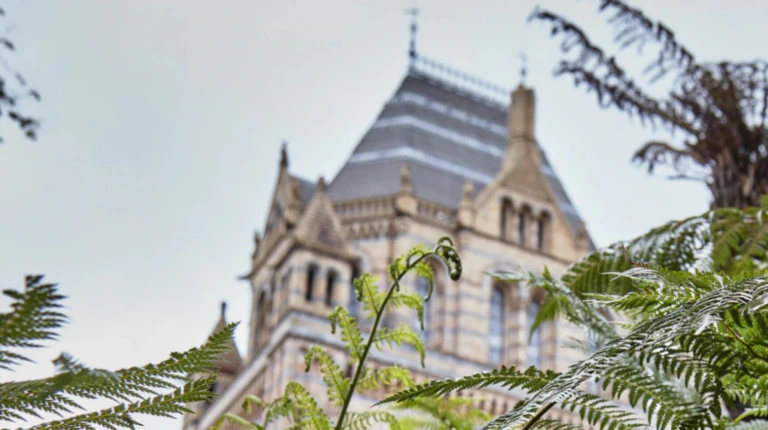
Although the code will give guidance on curating human remains, return is the first focus of the group. Swain said it was important to bear in mind the individual needs of museums. The Natural History Museum has made it clear it wants its own tailor-made guidance. But Swain said smaller museums with limited human remains may prefer 'off-the-shelf' advice.
Bexhill Museum holds three different types of human remains. Two are UK remains and one is from overseas. Julian Porter, the curator, said he welcomed advice, particularly when the holdings are so diverse.
Following the completion of the code, it is expected that the clause in the Human Tissue Act 2004, that allows nine named national museums to return human remains, will be activated.
But a general election may scupper those plans if the Conservatives win and decide to repeal the bill.
Swain said the working group is considering the case for scientific research but said museums need to be more transparent. 'It is important that museums start stating what the research value is and why [the remains] are being held,' said Swain. Museums should ensure that the remains held for scientific needs are accessible, he added.
The Museum, Libraries and Archives Council has said it will consider whether to include the code in its accreditation guidelines.
The code is to give guidance on holding and dealing with human remains, including the return of contentious items. The final document is intended to apply to UK and overseas remains kept in museums in England, Wales and Northern Ireland. Although the code will be non-statutory, museums will have to give good reasons for failing to follow it.
Hedley Swain is the chairman of the newly appointed working group, which includes many of the museum and university experts who sat on the previous DCMS working group that produced the 2003 report on human remains. 'The message from us will be that museums should have a proper procedure for dealing with human remains,' said Swain.
Although the code will give guidance on curating human remains, return is the first focus of the group. Swain said it was important to bear in mind the individual needs of museums. The Natural History Museum has made it clear it wants its own tailor-made guidance. But Swain said smaller museums with limited human remains may prefer 'off-the-shelf' advice.
Bexhill Museum holds three different types of human remains. Two are UK remains and one is from overseas. Julian Porter, the curator, said he welcomed advice, particularly when the holdings are so diverse.
Following the completion of the code, it is expected that the clause in the Human Tissue Act 2004, that allows nine named national museums to return human remains, will be activated.
But a general election may scupper those plans if the Conservatives win and decide to repeal the bill.
Swain said the working group is considering the case for scientific research but said museums need to be more transparent. 'It is important that museums start stating what the research value is and why [the remains] are being held,' said Swain. Museums should ensure that the remains held for scientific needs are accessible, he added.
The Museum, Libraries and Archives Council has said it will consider whether to include the code in its accreditation guidelines.