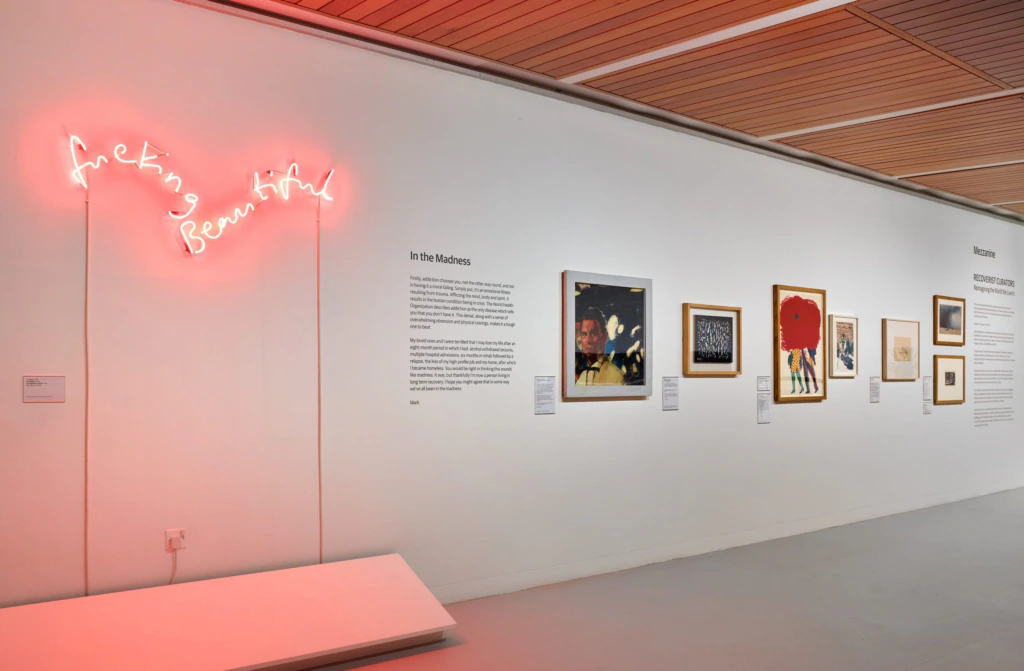
Recoverist Curators: Reimagining the World We Live In (until July 2026) is a participatory curated exhibition at the Whitworth in Manchester featuring more than 25 artworks by artists such as Francis Bacon, Tracey Emin and Wolfgang Tillmans, juxtaposed against personal histories and artefacts.
These create powerful, intimate connections between lived experience and the Whitworth’s collection.
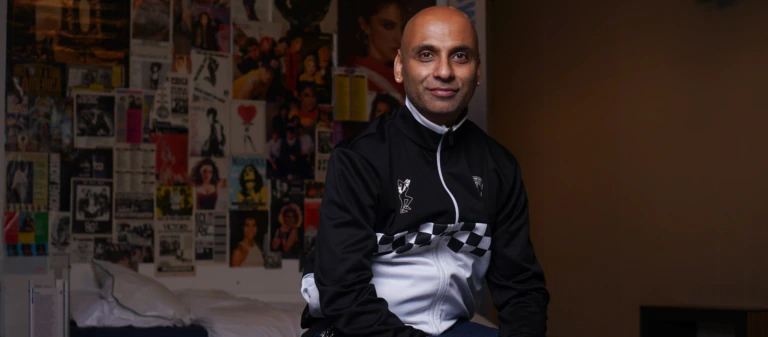
The Recoverist Curators collaboration was conceived in 2018 by Mark Prest, chief executive officer and director of Portraits of Recovery, and conversationally developed with Poppy Bowers, the Whitworth's senior exhibitions curator.
Portraits of Recovery are the UK’s only visual arts charity working with contemporary art, artists and people in recovery from substance use to create transformational art.
The Constituent Museum model
During these early discussions, it became clear that the focus of Portraits of Recovery and the Whitworth was closely aligned. Both organisations share a collective mission: to amplify unheard voices, support mental health and wellbeing, and shift balances of power towards a more equitable approach.
Advertisement
These foundational approaches to art at the Whitworth stem from thinking around the "Constituent Museum" model of participatory exhibition-making.
The ambition of this practice is to transform the way art is experienced and used, addressing what matters in people’s lives, responding to urgent issues and contributing solutions. This can be achieved when an institution places its relationships at the centre of its practice.
In doing so, the Constituent Museum actively changes the role of its visitors and, in turn, the museum itself.
Once our museological framework had been established, it became clear from those first conversations with Mark that an ethical framework of care would be fundamental to the project. The Whitworth recognises that working in partnership with a charity, or arts organisation is crucial to developing an ethics of care around a project, as such partners bring both subject knowledge and lived experience to the table.
In this case, Portraits of Recovery’s expertise was central to shaping the project’s ‘infrastructure of care’.
Funding and recruitment
With funding secured from the Baring Foundation, we began to recruit our "recoverists" (a portmanteau word blending recovery and activism, which includes those in recovery as well as their family, friends and significant others).
Advertisement
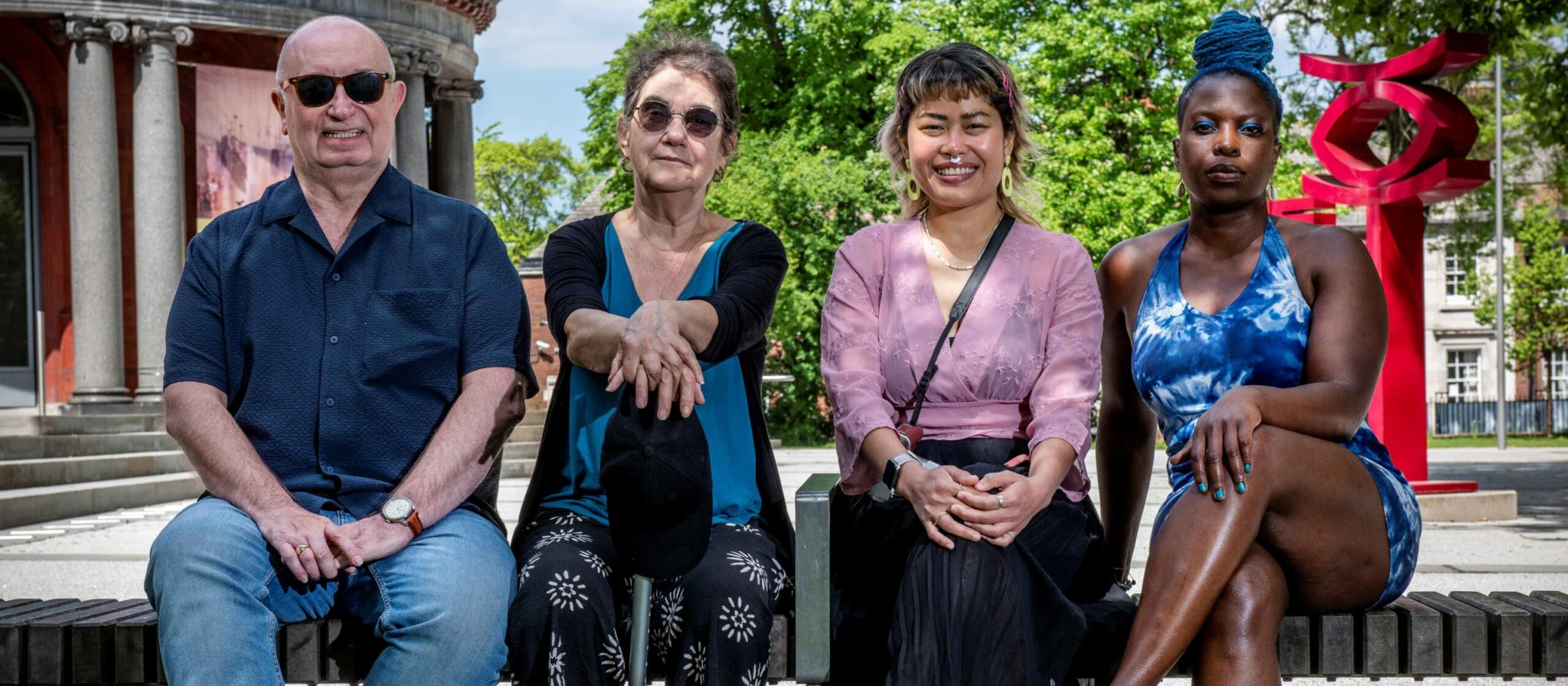
The Recoverist Curators were recruited through Portraits of Recovery’s networks, with the requirement of at least one year of sobriety to ensure commitment. Each session brought together six people in recovery (Anastasia, Annie, Chanje, Dom, Paul and Penny), as well as members of the Portraits of Recovery team, Whitworth curators and our Civic Engagement staff — a mix of perspectives united by a shared purpose.
We started the project by exploring recoverist histories within the Whitworth’s collection. The first sessions focused on listening: gathering reflections on recovery and identifying recurring themes such as ‘simple’, ‘care’, ‘food’, ‘pride’ and ‘journey’.
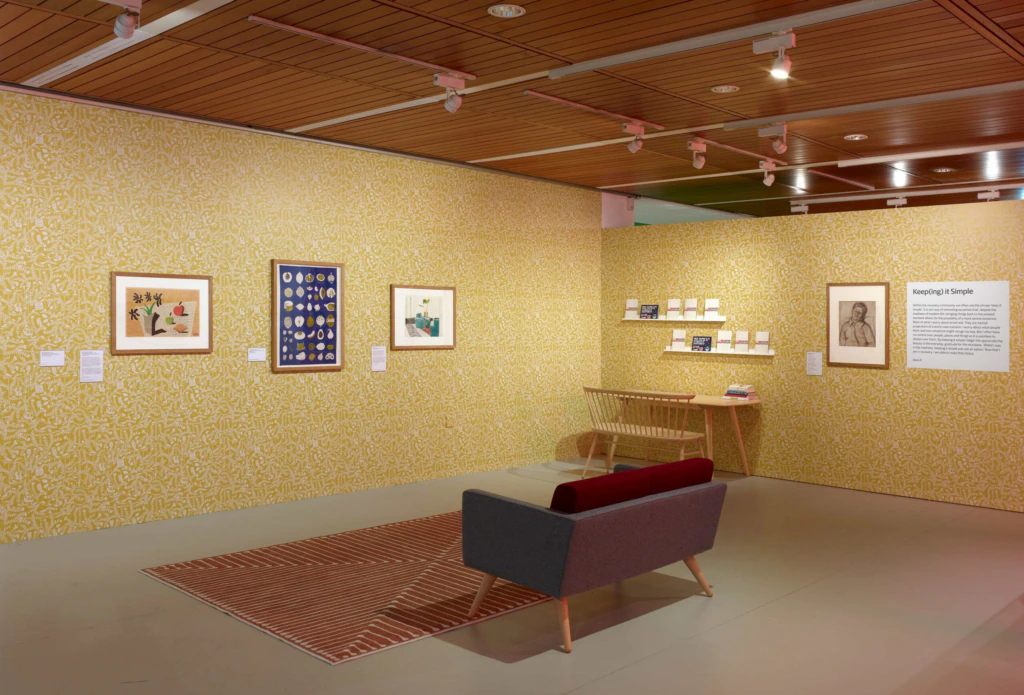
Using these as search terms, we explored the collection and built an initial group of artworks, refining the selection through alternating art store viewings and discussions until we had works that resonated deeply with the group.
Collaboration in Practice
Alternating meetings between the Whitworth and Portraits of Recovery’s offices, the Recoverist Curators met every two weeks for a year which allowed trust and mutual care to build between the participants and the institution.
Advertisement
This project is the successful realisation of a connected process, the culmination of many conversations, sustained collaboration and a shared vision.
The Whitworth's own collaboration with Portraits of Recovery and our participants has challenged us to rethink how a museum listens, shares authority, and works alongside the recoverist community.
Rather than leading from the top, we embraced Portraits of Recovery’s expertise — as subject specialists and lived-experience leaders — shaping the exhibition process together.
A shared vision that meant the Recoverist Curators exhibition is a landmark outcome of the process of trust and collaboration — a year-long show at a nationally significant institution. Its scale and duration highlight the cultural weight and urgency of its subject: art, wellbeing, recovery and community-led curation.
By embracing the lived experience and expertise of Portraits of Recovery the exhibition stands as proof of what’s possible when co-curation meets courage.
It is part of a wider cultural shift — towards institutions that challenge perceptions, expand narratives, and open space for voices too often unheard.
For both organisations, it is more than an exhibition; we have created something bold that reimagines how cultural institutions can spark meaningful change.
Legacy
One of the lasting legacies of this exhibition is to give the recovery community a permanent voice within the Whitworth.
Each group member has selected and interpreted artworks, and their narration will be preserved in our back-of-house system, ensuring that anyone searching for an artwork from the Recoverist Curators exhibition will encounter what it means to be a ‘recoverist’.
This commitment to recovery extends beyond the exhibition itself. In partnership with Portraits of Recovery, the Whitworth will support the hosting of regular Alcoholics Anonymous meetings within the gallery, offering an alternative space for reflection and connection.
Situated in a park, the Whitworth provides a unique setting where art, nature and recovery meet, enabling wellbeing, belonging and sustained mental health. In doing so, we place creativity at the centre of recovery itself.
Dominic Bilton is a producer at the Whitworth
Recoverist Curators: Re-imagining the World We Live In is at the Whitworth, in Manchester until July 2026. It forms part of Portraits of Recovery’s Recoverist Month September 2025 programme. The Chaordic Symposium at the Whitworth on 25 September 2025 will share the learning from this and two other projects.