In 2019, Museums Worcestershire received support from the Esmée Fairbairn Collection Fund to develop its collections and investigate how it might increase participation with a wider audience.
In 2024, funding from Arts Council England helped build on this work to produce Your Worcester – a city museum gallery designed entirely through community co-curation and collaboration.
The gallery is not designed to be a potted history of a place. It is designed to tell the story of a city through the words of those that know it best: the people who live there.
Connecting with audiences
The pilot project is built upon five years of work discovering what local people want from their museum. We also worked to establish partnerships and begin to understand why some communities weren’t engaging.
Some people did not feel comfortable in, or were not interested in, traditional museums. Some said that their interests or heritage were not represented in the current collection or exhibitions. Some felt that museums were spaces not aimed at them.
Advertisement
We then changed our traditional ways of working to try to eliminate these barriers and ensure that the museum became a space for everyone. It then became possible to honestly discuss what is important to people, and how we can work together to celebrate our past and share our present.
We revelled in the fascinating variety of passions that make us all unique, while celebrating the fact that we are united by the place that we all call home.
My Worcester
The stories told in our new gallery have been selected by local people, based on their own unique passions and interests. Our entire journey has been fuelled by what people have said is important to them and their city.
With contributions from partnerships formed with Worcester Black Cultural Association and Worcester Afro Caribbean Association, Worcestershire Care Leavers and Looked After Children, representatives of Worcester Pride, the University of Worcester, and the many, many people interviewed in the streets of the city, we discovered what people feel about their home and heritage.
For some, it was a significant event or personality. For others, it was family and a personal journey, or an object they associate with their city. We've acquired new objects for the collection, including Ginny Lemon’s Drag Race costume and the the clock from the local football ground.
Advertisement
One traditional story about Edward Elgar playing music for hospital patients has been expanded to share the stores of the Windrush nurses who worked in the hospital. We now celebrate many more aspects of our city’s heritage and the diversity that makes us special.
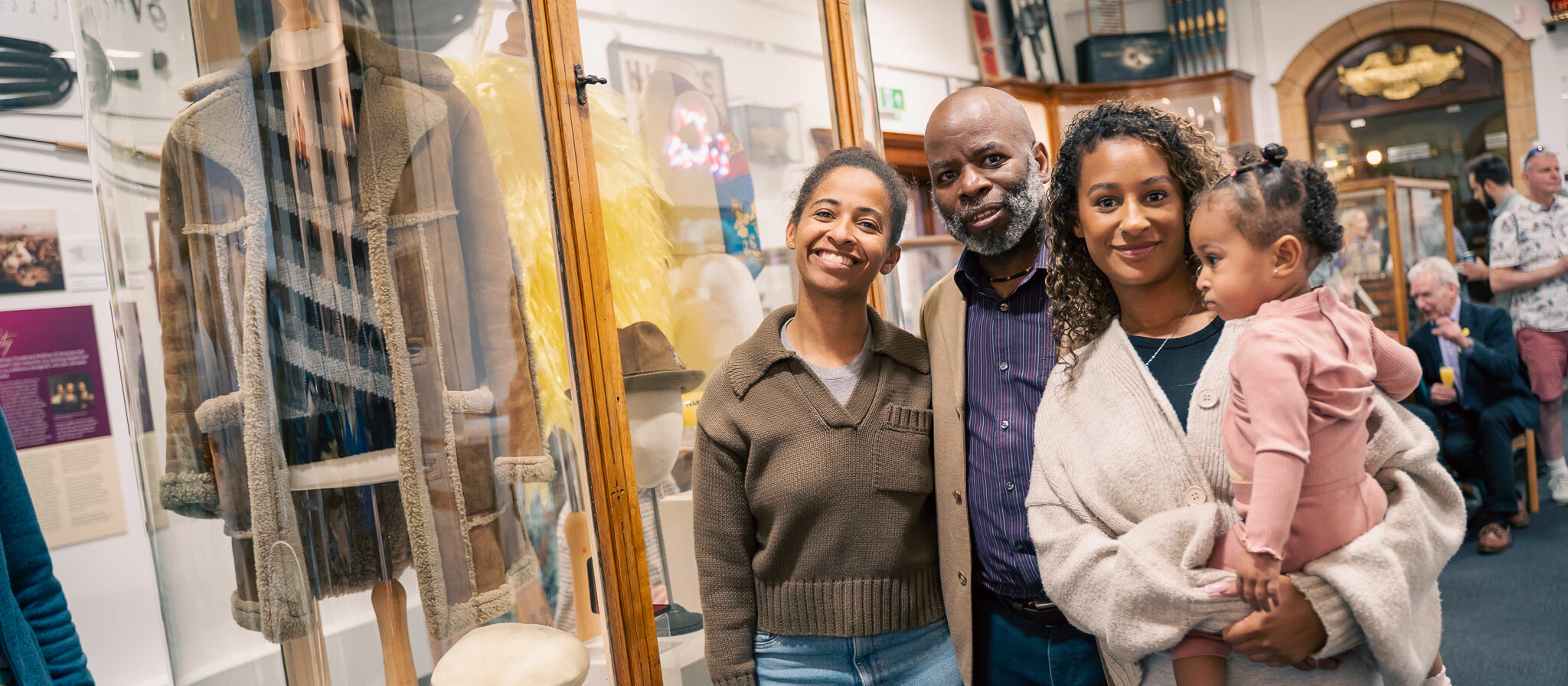
Among the people who donated items to this exhibit was Patrick Palmer, who donated a selection of clothing worn by his late father, Basil Palmer, who emigrated to the UK from Jamacia in 1962.
Mr Palmer said: "My dad passed away back in 2010, and he used to wear this coat and jumper regularly before he died, it all holds real sentimental value. I have been to many museums which have featured items from throughout history, but nothing that I can relate to. It gives people something to relate to. This coat could be your father's, grandfather's or great-grandfather's and you could look at it and think 'oh yeh my dad used to wear something like that.'"
Looking forward
This is just the beginning of a new way of working and is built around a very simple reversal of traditional thinking.
Advertisement
The museum no longer tells people about the place they call home; it asks them about it. Every item has been selected by the public, to tell the story of their city. If certain collections did not already exist they have been created, to help preserve the legacy of those areas of the community that may have been overlooked or deliberately omitted from our historic records.
Interim stats from our current Audience Finder survey tell us we are moving in the right direction:
- 86% think the art gallery and museums is very good/good at being a place for the whole community.
- 90% think it’s good for building knowledge, understanding, skills and expertise.
- 90% think it’s very good/good for building pride in the local area.
- 74% say it’s very good at making you welcome and comfortable.
- 88% say collections are relevant to them.
Going forwards the museum will continue to be flexible so that it can be shaped by the citizens of Worcester and preserve their stories for future generations, in their own words.
David Nash is curator of social history at Museums Worcestershire