Meet other delegates and our conference supporter companies while relaxing with a tea or coffee.
Events Conference 2026: Museums Connecting Communities
Wednesday 4 November
Wednesday 4 November
09:00 – 09:40
Coffee and networking
Chat, chill, create
Visit our dedicated space within the cafe where MA Reps will be facilitating some relaxed networking and creative activities, including contributing to a growing Community Tree.
To explore community connection in museums, delegates are invited to choose from four colour-coded prompts exploring belonging, learning and impact, hopes for the future, and the changes needed to strengthen connections between museums and communities. Add your thoughts to a leaf and watch the collective tree grow as delegates share their experiences, ideas and visions for more connected and inclusive museum communities.
MA Reps will be on hand to support delegates and encourage participation, with the space also providing an opportunity to chat about the prompts or other topics with fellow delegates between sessions.
Book swap
Join us for a book swap and discover your next great read. Bring along a book you’d like to pass on to someone else and browse the collection to take home a new-to-you book to enjoy. We welcome all types of books – from fiction to museology tomes.
09:00 – 09:30
First-time delegates meet and mingle
If you’re a first-time delegate, or haven’t been to conference for a few years, come along to this welcome session to explore the programme. Tamsin Russell, workforce lead at the Museums Association, shares networking hints and tips while MA reps host facilitated table discussions.
Chair
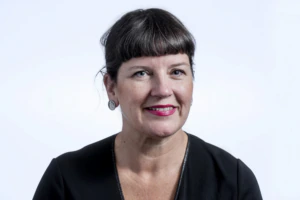
Tamsin Russell
Workforce Development Lead, Museums Association
Online tour and live Q&A | Protecting a legacy: Craft, community and Walsall’s leather heritage
This exclusive online event is a chance for delegates to discover more about Walsall’s rich leather-making history, the community-led campaign to save the town’s leather museum, and the vital role of heritage in the revival of the local leather industry.
Lauren Broxton is a Walsall-based leather designer and educator whose grassroots campaigning played a pivotal role in reversing the local council’s plans to relocate Walsall Leather Museum from its current home in an original 19th-century leather factory.
Lauren’s journey into leathercraft began at the museum, where childhood summer schools sparked a lifelong passion for the material and her hometown’s industrial heritage. In 2022, she established her bespoke leather brand, now selling internationally, while working with educational institutions to develop leathercraft skills provision for future generations.
On this walking tour, Lauren will guide delegates around the museum’s distinctive exterior and visit two further sites connected to Walsall’s leatherworking history.
Drawing on her experiences as a maker, educator and heritage campaigner, she will explore how civic museums can inspire creative careers, sustain traditional skills and strengthen the wider craft ecosystem.
Delegates will have the opportunity to watch the premier screening of the walking tour, followed by a live Q&A with Lauren.
09:40 – 11:00
Core session | Welcome and keynote
Welcome to day two of Conference 2026
Day two is opened by our hosts, four members of the Birmingham Museums Citizens’ Jury. They look forward to the day’s sessions and how they relate to our theme, Museums Connecting Communities.
Maya Hussain, Sean MacGowran, Kevin Saunders and Mark Wilson were among the group of Birmingham residents that were chosen in 2024 to help reshape the city’s museums. This innovative initiative aimed to directly involve local residents in the decision-making process.
The Citizens’ Jury is part of a fundamental transformation of Birmingham Museums Trust into a resilient and financially sustainable organisation with the structure, culture, skilled workforce and audience insights to deliver its ambitious vision.
Keynote: This Is England? Museums, heritage and public belonging
As questions of national identity become increasingly contested, what role can museums play in creating spaces for dialogue, reflection and democratic exchange? This panel brings together leading voices from academia and community practice to explore Englishness, heritage, belonging and anti-racism, and to consider how museums might respond to a changing social and political landscape.
Chair
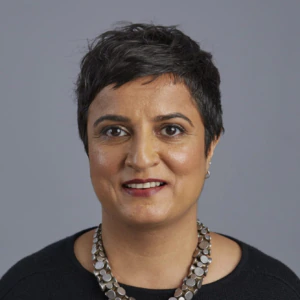
Sara Wajid
Co-Chief Executive Officer, Birmingham Museums Trust
Speakers
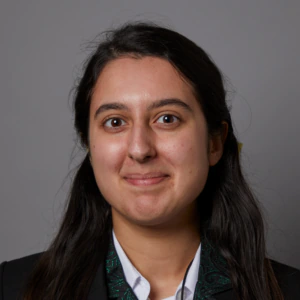
Maya Hussain
Birmingham Museums Citizens’ Jury
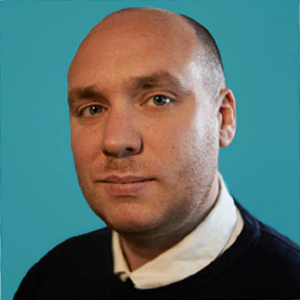
Sean MacGowran
Birmingham Museums Citizens’ Jury
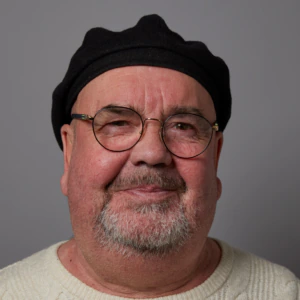
Kevin Saunders
Birmingham Museums Citizens’ Jury
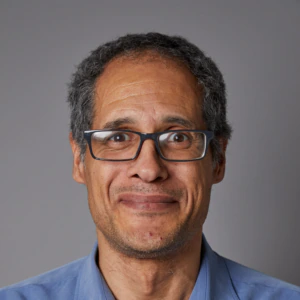
Mark Wilson
Birmingham Museums Citizens’ Jury
Daniel McNeil
Stuart Hall Interdisciplinary Chair, University of Birmingham
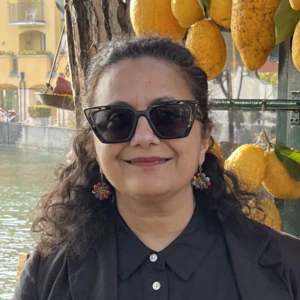
Nirmal Puwar
Professor, Media, Communications and Cultural Studies, Goldsmiths, University of London
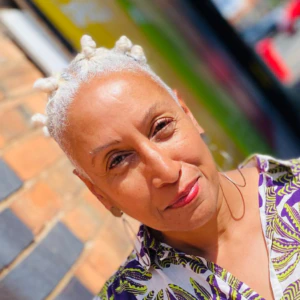
Joy Warmington
CEO, Brap
11:10 – 12:10
Core session | Civic museums – where next?
Speakers representing a wide range of different civic museums take part in an open and honest discussion about the challenges the sector faces.
At a local level, our organisations are having to deal with new and complex political realities, including political instability and polarisation. How far is this impacting the work that we do and what does it mean for our advocacy work?
We also have a new prime minister, Andy Burnham, who wants to shift power away from central government and give regional leaders greater control over spending, transport, housing, skills and economic growth. What impact might this have on civic museums?
Our speakers also address what a new Museums Strategy for England might mean for the future of regional museums. As part of this, they reflect on the role civic museums might play in collectively addressing England’s story, particularly in the context of regional devolution.
This session includes a five-minute welcome from one of our conference supporters, Katie Colombus, Director of Audiences at Art Fund, who shares the latest funding opportunities, including Art Fund Museum of the Year 2027.
Chair
Jon Finch
Head of Culture and Visitor Economy, Barnsley Metropolitan Borough Council
Speakers
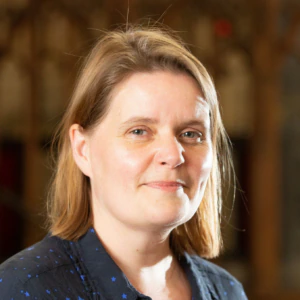
Kathryn Blacker
Chief Executive, York Museums Trust
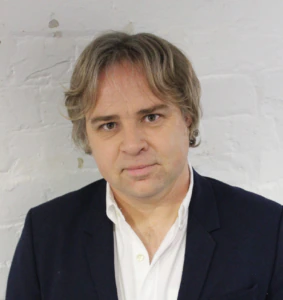
Tony Butler
Executive Director, Derby Museums
Jodie Henshaw
Museum Manager, Mansfield Museum
Zak Mensah
Co-Chief Executive Officer, Birmingham Museums Trust
In Practice session | Innovative approaches to volunteering at the Shakespeare Birthplace Trust
Collections volunteering is one of the Shakespeare Birthplace Trust’s most requested areas, but traditionally the team had limited capacity. In 2025 they worked to change this by creating an exhibition volunteer role that enabled new, collections-informed, public-facing opportunities for volunteers and visitors.
Exhibition volunteer is now the organisation’s fastest-growing role, with 18 volunteers participating and contributing almost 700 hours during 2025. Some individuals have enjoyed being the first point of contact after ticket-booking, developing their skills greeting visitors in a range of languages, while others have helped to take the object handling collection out into the community.
Panel members will share the key learnings of exhibition volunteer recruitment, hearing from two of the volunteers involved.
Takeaways:
- Hear how organisational challenges can become opportunities for creativity and closer working between departments.
- Find out how exhibition spaces can be environments for multi-sensory practices such as object handling.
- Understand how to tailor your approach to the individual, including creating a slower-paced, calm environment that supports the wellbeing of volunteers.
Speakers
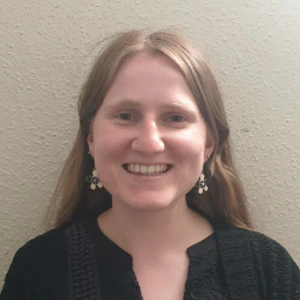
Frankie Davies
Volunteering and Communities Officer, Shakespeare Birthplace Trust
Joy Hawker
Exhibition Volunteer, Shakespeare Birthplace Trust
Michael Lau
Exhibition Volunteer, Shakespeare Birthplace Trust
Workshop | Creu Amgueddfeydd gwrth-hiliol yng Nghymru / Creating anti-racist museums in Cymru/Wales
This session provides practical learning from museums of all sizes that are collaborating with community partners to address what being anti-racist means for their staff, and how this is changing the ways they work, including the impact on collections, displays and programming.
The workshop draws on the learning taken from the Museums Association’s Anti-racist Museums Programme, the Welsh Government’s Anti-racist Action Plan and Race Council Cymru’s mentorship scheme.
The session will share practical skills on how to critically interrogate race and racialisation within a museum context; and approaches taken to leadership and workforce development through mentoring, learning and development.
We also explore whiteness, how institutional racism is often upheld and how this work is increasingly challenged in a polarised political environment. The learning from country-wide initiatives will be shared directly, and the challenges and benefits of working with museums from a community partner perspective.
Takeaways:
- Hear practical examples of anti-racist work that can apply to museums of all sizes.
- Explore the skills and frameworks needed to establish anti-racist principles in all areas of museum work.
- Find out about the challenges and benefits of working with museums from a community partner perspective.
Speakers
Uzo Iwobi
CEO, Race Council Cymru
Marian Gwyn
Heritage consultant
Nia Williams
Director – Experience, Learning and Engagement, Amgueddfa Cymru
Breakout session | Centring care, building trust: co-producing an African collection display
This session comprises a conversation about the community-led approaches to working with African collections taken by museums in Manchester and Birmingham.
By centring “care” at its heart, the discussion addresses the emotional, cultural and spiritual needs of engagement from the outset, while reflecting on how self-care shapes curatorial practice for curators of Black, African and Caribbean heritage or descent. The session also responds to how institutional policies translate care into the visitor experience.
Speakers also outline the history and context of their respective collections. Both Birmingham Museums Trust and Manchester Museum are running two-year projects, funded by the John Ellerman Foundation, to advance research, development, interpretation and co-production of their Global Majority collections, and African collections specifically.
Key discussion points include:
- Building trust and sustaining community relationships.
- Engagement approaches including film screenings, performance, discussions and volunteering.
- Navigating research methods from ethnographic, archival, to community led.
- The values of co-production, fostering inclusion and platforming marginalised histories.
- Capturing, valuing and preserving community-generated knowledge in collections management systems, equal to curatorial knowledge.
The discussion’s conclusion highlights how this work contributes to the organisations’ respective restitution and repatriation policies and processes.
Takeaways:
- How to put a care-centred approach for staff and participants at the heart of co-production.
- How to build trust and maintain relationships for authentic and genuine community participation.
- How to use community learning to contribute to restitution and repatriation policies and procedures.
Chair
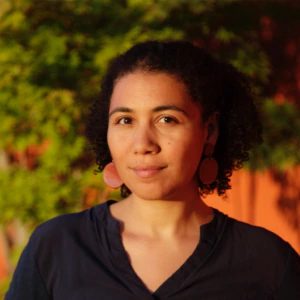
Pascale Boucicaut
Curator of Living Cultures, Manchester Museum
Speakers
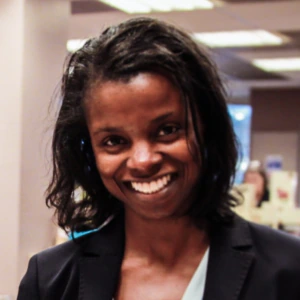
Lucy Edematie
Curator – African Collections from Colonial Contexts, Manchester Museum
Sipho Eric Ndlovu
Artist-In-Residence (Africanize), University of Birmingham
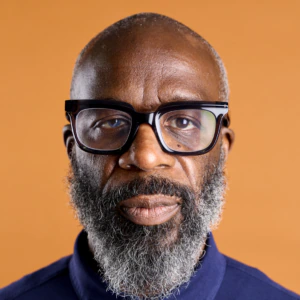
Ian Sergeant
Senior Curator, Global Majority Collections, Birmingham Museums Trust
Breakout session | The Beryl effect: pride and joy
When The Box opened Beryl Cook: Pride and Joy in January 2026, the team didn’t just mount an exhibition – they gave a city back its artist.
This ambitious retrospective marking Beryl’s centenary was a cross-city celebration reframing Britain’s “best loved artist” through partnerships with KARST and Theatre Royal Plymouth. What followed exceeded expectations: 104,000 visitors, a 50% increase in newsletter subscribers, £102,000 in donations, 500 pieces of coverage, a companion exhibition examining her contemporary impact, and life-size sculptures embraced so warmly that visitors travelled from across the UK.
This session explores how local investment creates national resonance both within and beyond museum walls. The panel examines the strategic decisions behind commissioning four citywide 3D sculptures with TRP, how the team turned Cook’s working-class joy into civic celebration, and what happened when a museum fully embraced its sense of place and community.
Speakers will share data, practical lessons, and the unexpected magic when audiences feel genuinely seen. From postcode analysis revealing extraordinary geographic reach and record merchandise sales, to a donation point that broke every Box record, this is audience development rooted in authenticity, confidence and place.
If you believe place-based storytelling is museums’ future, this session is for you.
Takeaways:
- Reap the benefits of being regional – stop apologising and start owning it.
- Discover how to engage audiences by taking exhibitions off the walls and out into the world.
- Explore ways to harness joy and develop it into a serious cultural strategy.
Chair
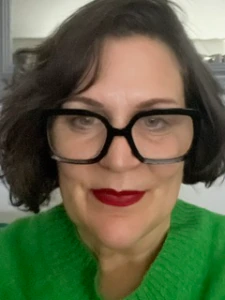
Abigail Netcott
Marketing and Development Manager, The Box Plymouth
Speakers
Donna Howard
Executive Director, KARST Gallery
Sebastian Soper
Head of Production, Theatre Royal Plymouth
Terah Walkup
Curator, The Box Plymouth
Training | Ethics surgery
Do you have any burning ethical questions you would like to discuss? If so, members of the Museums Association’s Ethics Committee will be available in our 1:1 mentoring surgery.
The Ethics Committee can support your ethical practice by talking through specific situations, acting as a sounding board and offering confidential advice.
Your ethical questions can relate to any area of museum practice, including but not limited to equitable working with communities, freedom of expression, anti-discrimination, sponsorship and disposal.
Check back soon to book a time slot to speak to one of the following members of the Ethics Committee.
Speakers
Janet Dugdale
Trustee, Museums Association and museum consultant
Sofia Lazaridi
Development Officer (Trusts and Foundations), Amgueddfa Cymru
Sonia Solicari
Director, Museum of the Home, MA Ethics Committee member and Chair of the AI and Ethics Expert Working Group
Chanté St Clair Inglis
Director of Heritage, Royal College of Surgeons, Edinburgh
Meet the MA | Health and Wellbeing in Museums grantees
Open to all grant recipients of the Health and Wellbeing in Museums Fund and their partners, this collaborative session explores our opportunities for working together, sharing learning and expertise, supporting ourselves and our colleagues, and celebrating the exceptional health and wellbeing work being delivered. If you have been awarded funding in 2025 or 2026, please come along.
Chair
Craig Smith
Health and Wellbeing in Museums Project Officer, Museums Association
Networks | Meet-up for people with disabilities
A relaxed networking session for disabled, d/Deaf and neurodivergent delegates. Meet other disabled people, discuss your experiences in the industry and learn what opportunities for collaboration are out there.
Chair
Jaime Starr
Queer historian and curator
12:20 – 13:20
Core session | Ethics and AI
Hear from AI experts in the museum sector who reflect on how museums can take a responsible and transparent approach to AI use in order to maintain public trust in museums. This session relates to the work of the MA’s AI and Ethics Expert Working Group who will support the development a resource to help guide ethical decision-making on AI in museums.
Speakers
Elizabeth Llabres
Collections Manager, Bradford District Museums & Galleries and AI and Ethics Expert Working Group member
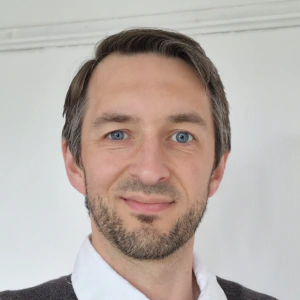
John Peel
Collections Information Manager, Manchester Museum
Sonia Solicari
Director, Museum of the Home, MA Ethics Committee member and Chair of the AI and Ethics Expert Working Group
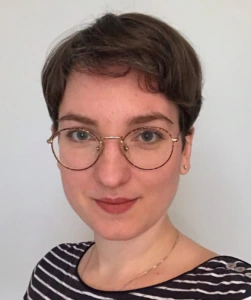
Paula Westenberger
Senior Lecturer in Intellectual Property Law, member of the Centre for AI at Brunel University of London and AI and Ethics Expert Working Group member
In Practice session | Community-led approaches to curating the Migration Museum
As the Migration Museum works towards developing a permanent home in the City of London, it is developing a network of Community Curators from rural and urban areas across the UK to create exhibitions rooted in local knowledge and storytelling. Opening in 2028, the museum will share stories of people and communities across the UK, working with institutional partners nationwide to deliver this major project.
From Hastings to Glasgow, and Derry-Londonderry to Newcastle, the programme supports creative outputs reflecting migration histories within local communities, recognising migration as a national story expressed through local contexts.
The team shares its approach to scaling community co-production from a local initiative to a national programme. The session explores partnership development, shared authority and accountability across sites, and how locally produced work can shape a new museum – alongside practical realities such as resourcing, safeguarding, accountability and sustaining meaningful relationships.
Takeaways:
- How to build equitable collaborations with partners and community members.
- Ways to democratise museums through exhibition-making processes.
- How to embed lived experience into permanent displays – ensuring that people are represented and connected to your work.
Speakers
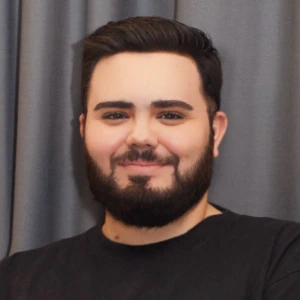
Arbër Gashi
Community Curator, Migration Museum
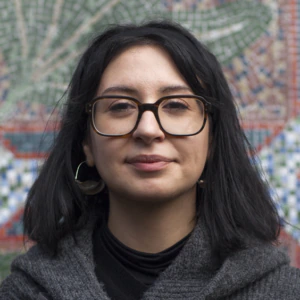
Mona Jamil
Head of Civic Engagement, Migration Museum
Daria Lynch
Researcher in Curatorial Practice and Civic Engagement, Migration Museum
Workshop | Eat the Collection: creative connections between collections and catering
Eat the Collection is an innovative culinary approach at Manchester Jewish Museum, where collections inspire our catering offer and bring stories from our archives to life. We use stories as our primary ingredients and explore the tastes, aromas and cultural memories represented by our collections, translating those abstract histories into tangible dishes.
The Eat the Collection workshop will provide participants with a chance to use this inspiration to come up with their own food and collections ideas to create immersive visitor experiences, income generation and community connections.
Participants are invited to choose a museum collection from organisations represented and create their own Eat the Collection experience ideas together.
Each group will present and share their Eat the Collection Big Idea to the workshop audience and share how they will use that idea to attract new audiences and bring communities together.
Takeaways:
- Learn how to take inspiration from collections to develop commercial offers that reflect the character and purpose of your museum.
- Hear how other delegates are using collections in new ways.
- Learn best-practice practical tips on creating innovative catering offers.
Speakers
Samuel Goldstone-Brady
Curator, Manchester Jewish Museum
Richard McCarthy
Cafe and Retail Operations Manager, Manchester Jewish Museum
Breakout session | Sharing the frame: rethinking power, youth and cultural authority
Journeys with Mai is a partnership project led by the National Portrait Gallery, London, in collaboration with Bradford District Museums & Galleries; The Fitzwilliam Museum, Cambridge; and The Box Plymouth.
The national tour of Joshua Reynolds’ Portrait of Mai was designed in parallel with a youth-centred, cross-cultural engagement programme, positioning shared interpretation and community voice as core to the project’s purpose.
Across four cities, young people have co-curated displays, led public events, created digital work, and challenged dominant Western narratives. The project has fostered a community of practice between partner organisations and youth participants, strengthening relationships and creating space for knowledge exchange across regions. Crucially, Pasifika artists and cultural advisors have shaped interpretation, ceremony and public programming, ensuring that the project does not speak about Mai without Pasifika voices present.
This session brings together representatives from across the partnership in conversation with the project’s national convenor. Together the panel will examine what shifts when young people move from participants to co-authors, how we can share interpretive power, and what meaningful partnership looks like across institutions.
Rather than presenting a polished case study, this session offers an honest reflection on collaboration, discomfort and the structural changes required for museums to connect meaningfully with communities.
Takeaways:
- What it really means to share power, and why it’s worth it.
- How to work with communities in ways that are reciprocal, not symbolic.
- Why a little discomfort can spark real change.
Chair
Miriam King
National Learning and Engagement Convenor, National Portrait Gallery
Speakers
Aaminah Butt
Member, Common/Wealth Youth Theatre, Bradford
Lyall Hakaraia
Pasifika Artist and Cultural Advisor, Inter-island Collective
Adam Milford
Senior Engagement and Learning Officer, The Box Plymouth
Breakout session | Museum of Things: shifting power dynamics
Maryhill Integration Network is a grassroots community organisation established to bring together people in the asylum process, refugees, migrants and members of the “settled” community.
Since 2001, MIN has been developing projects that support positive social change, connecting communities by investing in them and providing welcoming space with opportunities for collaboration and connection.
In 2025, the Museum of Things supported the development of co-production practices at the Hunterian, part of the University of Glasgow, under a broader strategy to shift the power dynamics of museum practice through the building and sharing of social and cultural capital.
Through a process of artistic reclamation, the project delved critically and creatively into the museum’s spaces and objects. The community creators explored themes of history, heritage and personal roots, emphasising storytelling as the key to foster connections between past and present, individual and collective, tradition and innovation.
Bringing diverse community perspectives and lived experience, the group articulated and reshaped how objects are seen and how history is told.
The result was an exhibition that took place throughout the museum, amplifying narratives that resonated with themes of community, existing, belonging and identity.
Takeaways:
- How to develop greater solidarity and peer support with community neighbours.
- Hear how the project has led to personal growth and wellbeing.
- Learn about organisational development through cultural connections.
Chair
Joao Philippe Reid
Exhibitions Manager, The Hunterian
Speakers
Rose Filippi
Development Manager, Maryhill Integration Network
Zandra Yeaman
Curator of Discomfort/Head of Strategy Development, The Hunterian
Training | Networking for freelancers and freelancers in waiting
Networks are important in the sector but can be a lifeline for those working in a freelance capacity.
This session provides opportunities for more focused networking around particular areas of practice. It includes time for those newer to freelancing to ask questions, and for more established members of the workforce to share hints and tips. There will also be space for you to share your thoughts on how the MA can better support freelancers.
Speakers
Tamsin Russell
Workforce Development Lead, Museums Association
Meet the MA | Health and Wellbeing in Museums: partnering for success
As supporting people’s health and wellbeing is increasingly understood as a central role of museums, how do we ensure that we do it well and we do it safely for all museum visitors, staff and collaborators? Forging the right partnerships can hold the key, but these collaborations can come with their own set of obstacles to success.
Join the discussion to explore what the right partnership could look like for your health and wellbeing work, and what the ingredients are for effective, equitable and impactful partnership working.
Chair
Craig Smith
Health and Wellbeing in Museums Project Officer, Museums Association
Museum learning networking session
GEM recently launched its refreshed Generic Learning Outcomes, including a new Sensory Engagement Outcome. Come along to this session to find out more about the refreshed framework and the importance of evaluation. Share your thoughts on the new framework and hear from others how this is being embedded into practice. Meet Rachel Tranter, GEM director and the GEM Midlands Area Reps to discuss all things museum learning in this informal session.
13:20 – 14:20
Lunch
Enjoy a vegetarian/vegan lunch, chat with other delegates and meet our sponsors during this extended lunch break.
Chat, chill, create
Visit our dedicated space within the cafe where MA Reps will be facilitating some relaxed networking and creative activities, including contributing to a growing Community Tree.
To explore community connection in museums, delegates are invited to choose from four colour-coded prompts exploring belonging, learning and impact, hopes for the future, and the changes needed to strengthen connections between museums and communities. Add your thoughts to a leaf and watch the collective tree grow as delegates share their experiences, ideas and visions for more connected and inclusive museum communities.
MA Reps will be on hand to support delegates and encourage participation, with the space also providing an opportunity to chat about the prompts or other topics with fellow delegates between sessions.
Book swap
Join us for a book swap and discover your next great read. Bring along a book you’d like to pass on to someone else and browse the collection to take home a new-to-you book to enjoy. We welcome all types of books – from fiction to museology tomes.
Meet the funders | Lunchtime networking
An invitation-only meeting of collections funders to share current research and work together on shared aims. Lunch will be available at the meeting.
14:20 – 15:20
In Practice session | Visitor management systems: transforming access and connection through collaboration
Implementing a new visitor management system is rarely just a technical upgrade – it’s a catalyst for organisational and digital transformation.
This session explores how the National Museum of the Royal Navy leveraged its implementation process to break down internal silos and centre the museum’s work on audiences while maintaining business goals.
The museum team shares how it drew internal teams, external agencies and audience insights together to drive an inclusive, accessible strategy. By aligning curatorial, marketing, operations, IT and learning, the museum moved beyond individual departmental requirements to focus on a holistic community journey.
Together, they focused on creating a seamless experience – from the first digital touchpoint to the on-site visit – ensuring the museum is accessible and welcoming to all.
Takeaways:
- Learn how to align internal departments and external partners to build a cohesive system that serves the museum and its diverse audiences.
- Discover how to map a seamless online booking experience.
- Identify how to select partners who prioritise innovation and flexibility to meet the changing needs of your community.
Speakers
Sharna Bennett
Performance & CRM Lead, Royal Navy Museums
Workshop | It Only Takes One Seed: joyful, community-led climate action
It Only Takes One Seed is a community-led climate project delivered in a partnership between Barnsley Libraries and people-led arts charity Creative Recovery. The project centres the voices of people most affected by climate anxiety – bringing those often pushed to the margins into the heart of the conversation.
Rather than focusing on fear-based narratives, It Only Takes One Seed promotes joyful activism, using creativity and positivity to explore climate issues in ways that feel inclusive and hopeful.
This interactive workshop shares key learning from the project and invites participants to take part in hands-on creative activities. Attendees will create placards of positivity and be guided to write their own short manifesto, exploring how keeping community voice at the centre can strengthen climate engagement.
Takeaways:
- Discover ways to bring those on the margins into the heart of your project to keep community voices at its centre.
- Explore positive ways to address climate issues and write your own manifesto.
- Leave with practical ideas, creative tools and renewed confidence to support community-driven climate action.
Speakers
Helen Boutle
Arts Director, Creative Recovery
Emma Ford
NPO Engagement Officer, Barnsley Libraries
Breakout session | GRT – what is that?
This session shares how Beamish Museum and community partners and friends from the Gypsy and Traveller communities have built sustainable, trusting relationships and how this work has resulted in huge learning for the museum.
GRT is a label that is often wrongly applied to diverse groups of people with distinct identities and cultures. The team at Beamish discovered this pretty quickly when they started working with representatives from the Gypsy, Traveller and Showmen communities in 2023.
It’s fair to say it’s been a steep learning curve – but one that’s been full of joy, discovery and friendship as part of the museum’s Esmée Fairbairn Communities and Collections Fund project. Working alongside members of the Gypsy, Roma and Traveller communities, the partnership has revisited stored collections to think about how their histories are represented within the museum.
Takeaways:
- Find out why organisations should tell Gypsy and Traveller stories.
- Hear about the tangible benefits of this work for both organisations and communities.
- Understand the challenges that were encountered.
Chair
Seb Littlewood
Senior Keeper, Beamish: The Living Museum of the North
Speakers
Julie Gorman Cliff
Irish Traveller community member
Lisa Kaimenas
Community Participation Officer, Beamish: The Living Museum of the North
Billy Welch
Romani Gypsy community member
Breakout session | The Anti-racism and Decolonisation Steering Group and Strategy
This session is hosted by the MA’s Anti-racism and Decolonisation Steering Group as a space for conversation. The group recently agreed a strategy for the MA’s work on anti-racism and decolonisation, with the aims below:
- Museums of different sizes and types across the UK have become anti-racist organisations.
- The museum workforce is more diverse, with more people from the global majority in influential and leadership roles.
- The museum workforce has a better understanding of anti-racism and decolonisation, that enables them to tackle racism in their work, apply decolonising principles and support decolonising practice.
- The MA is an anti-racist organisation that is actively addressing the continuing impact of the British Empire and slavery.
Delegates are invited to join this session to find out about the group and shape future work towards the strategic aims. The session is also an opportunity to share practice and support one another with work in this area, recognising that anti-racist practice is vital, and often more challenging, as we face increasing polarisation in society.
Speakers
Hasina Dabasia
Chair, Anti-racism and Decolonisation Steering Group
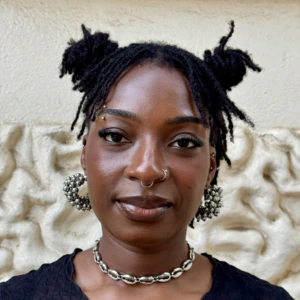
Adé Bákàrè
Policy Officer, Museums Association
Breakout session | Competing perspectives: who owns Cornwall’s story?
How can museums acknowledge deep pride in place and historic marginalisation without creating exclusion? How do we present contested or emotionally charged histories in ways that build understanding rather than division?
Following a major capital transformation, Cornwall Museum and Art Gallery reimagined how Cornish history is presented, placing it firmly within the context of Cornwall as a recognised national minority with a strong sense of identity, pride and underrepresentation. The challenge was to honour this powerful narrative while ensuring the museum remains welcoming to all.
This session explores the tensions and opportunities that emerged when interpreting identity, migration and belonging in a region shaped by cultural nationalism. Speakers also reflect on the realities of public response, including the challenges museums face when contested histories become sites of polarised debate and amplified public scrutiny.
Drawing on honest reflections from the redevelopment process, the session examines the missteps, breakthroughs and community partnerships that helped reshape gallery narratives, interpretation and collecting priorities. Central to the project was a co-creative approach that worked with diverse Cornish communities to broaden representation and challenge assumptions about who belongs within the story of Cornwall.
Participants will gain practical insight into navigating politically and emotionally charged histories, building trust across communities and balancing place-based identity with inclusive storytelling.
Takeaways:
- Learn practical co-creation methods for working with communities with competing perspectives.
- Understand how to interpret contested or emotional histories while being engaging and welcoming.
- Explore strategies to present place-based identity with inclusive storytelling.
Speakers
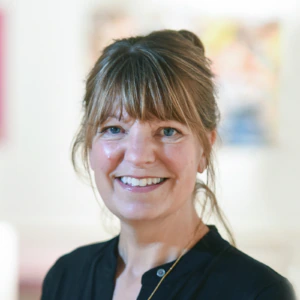
Bryony Robins
Co-director, Cornwall Museum and Art Gallery
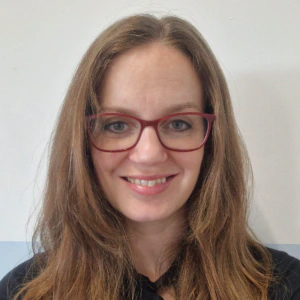
Jeni Woolcock
Collections Manager, Cornwall Museum and Art Gallery
Meet the MA | MA professional development: how can we help you reach your potential?
An opportunity to meet Tamsin Russell, the MA’s workforce lead, and hear more about how our professional development programmes can help you.
Chair
Tamsin Russell
Workforce Development Lead, Museums Association
Networks | Migration Network
The Migration Network is a dynamic knowledge-sharing initiative bringing together museums, heritage organisations, academics, charities and migration sector professionals working on migration and intersecting themes.
Anyone connected to or interested in the network are invited to join the Migration Museum for this relaxed networking session for peer-to-peer connection.
Come along to meet delegates from across regions, sectors and institutions to build and strengthen professional relationships, discuss shared challenges and opportunities and explore potential collaborations on future projects or events.
15:30 – 16:30
Core session | Only connect: addressing the strategic failure of audience development
Museum attendance has increased in all social groups since the Taking Part Survey began in 2005/06 – but the gap between upper and lower socio-economic group visitation has remained unchanged at 24%.
In 2025, the Research Centre for Museums and Galleries at the University of Leicester received a £1.45m Arts and Humanities Research Council (AHRC) grant over four years to “address the museum attendance and benefit gap”.
The project will clarify the meaning of key terms such as equality and inclusion, and what we already know about “what works” in attracting more representative audiences – providing a workbook for heritage organisations to enable them to address the attendance and benefit gap.
But you don’t have to wait for the workbook – this session offers early lessons in how we might achieve the needed breakthrough in audience development.
Takeaways:
- An understanding of why audience development has reached its limits in attracting more representative audiences.
- Why we don’t really know how to break through these limits.
- How you can start making breakthroughs in this area.
Chair
Lucy Reid
Strategy and Creative Officer, DemocracyNext
Speakers
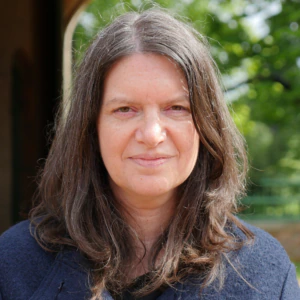
Suzanne MacLeod
Co-Director, Research Centre for Museums and Galleries, University of Leicester
Sara Wajid
Co-Chief Executive Officer, Birmingham Museums Trust
In Practice session | Villiers revealed: connecting with LGBTQ+ audiences
Hear how an exploratory commission to identify queer stories became a powerful and transformative project connecting new LGBTQ+ audiences with Melton Carnegie Museum and wider Culture Leicestershire services.
This project has been a learning curve and a meaningful step forward in how the service engages with marginalised histories.
Hear how the team designed a brief to ensure they partnered with the practitioners who could support real change and connect with new communities.
Takeaways:
- Discover best practice approaches to LGBTQIA+ projects.
- Learn how to build a safer framework for staff and participants.
- Get tips on how to commission practitioners to support change.
Speakers
Alison Clague
Senior Curator, Culture Leicestershire
Jon Sleigh
Arts educator, learning officer and learning curator
Workshop | Whose decision? Defining collection significance with your communities
Welsh Government’s work to support museums in assessing and defining collection significance has culminated in the launch of the Collections Significance Assessment Toolkit and a pilot Cydnabod Scheme, recognising nationally important collections in local museums.
The active involvement of a museum’s communities in the process of defining significance is embedded throughout both and given the same emphasis as input from more traditional experts commenting on artistic worth or historic value. Community expertise is valued and lived experience goes beyond enhancing collections understanding – communities are integral to the decision-making process.
In this practical session, delegates explore how museums can actively involve communities in significant decision-making.
Hear from practitioners on how their work to define the significance of a museum’s collection – be that for developing collecting policies, fundraising or rationalisation – has been a tool for meaningful community engagement.
Takeaways:
- Knowledge of the lessons learnt by practitioners.
- Learn about the key outcomes achieved by the project.
- Discover how to use the toolkit in your museum.
Chair
Ruth McKew
Director, Headland Design
Speakers
Joanna Cook
Collections Manager, CofGâr, Carmarthenshire Council Museum
Helen Gwerfyl
Collections Curator, Storiel and Bangor University Museum
Breakout session | Colonialism, climate and communities
The Museums Association’s climate justice campaign recognises that we cannot treat climate and ecological crisis as a standalone issue – we need to put forward a systems change approach that focuses on climate and social justice.
To take action on climate justice, museums must consider how it intersects with decolonisation and social justice work, as well as their commitments to diversity, inclusion and being actively anti-racist.
This panel discussion will explore the intersection between climate justice and decolonisation in museums through case studies from two Esmée Fairbairn Communities and Collections Fund projects: Broken Tech: Broken Earth at the Centre for Computing History and Extinction Silences at Bristol Museums.
Takeaways:
- Hear practical tips that you can apply at your museum.
- Understand how to work with communities to explore themes of climate and nature in collections through a justice lens.
- Explore the intersection between climate justice and decolonisation.
Chair
India Divers
Policy and Ethics Lead, Museums Association
Speakers
Isla Gladstone
Senior Curator for Natural Sciences, Bristol Museums
Lizzie Salter
Museum Director, Centre for Computing History

Ellayah Woodward-Lindsay
Co-director, Rising Arts Agency
Breakout session | New approaches to community-led creative health
This session shares the methodology and findings from a pioneering collaboration between Better Health Manchester (BHM), a large inner-city NHS GP practice, and Platt Hall, a Grade II* historic house in development as a neighbourhood centre for creative health.
The partnership comprises a jointly funded health coach role, blending clinical practice with heritage collections and creative practice to improve physical and mental health in a neighbourhood rich in cultural diversity but high in health inequalities.
The session outlines each partner’s motivation to combine creative health and primary care, how this role moves beyond social prescribing into an innovative health coaching model, and the project’s transformative impact to date. Speakers discuss how activating heritage assets in meaningful, community-led ways can secure their long-term sustainability.
The session reflects on the challenges and opportunities of two different organisational cultures and structures working towards shared goals, developing trust, and responding to complex health needs. Speakers will also consider the longer-term future of the role and what a sustainable creative health partnership might look like.
Takeaways:
- Understand health coaching as a model that develops personal agency, and its value in a community-led heritage context.
- Hear how to make the case for a GP practice to invest in partnership with heritage and arts organisations.
- Learn how this model can diversify the demographic of heritage usership, broadening community and building relationships with local people.
Chair
Liz Mitchell
Platt Hall Lead, Manchester City Galleries
Speakers
Halima Amin
Local resident and Platt Hall Health Programme participant
Ruth Edson
Senior Learning Manager, Platt Hall and Manchester Art Gallery, Manchester City Galleries
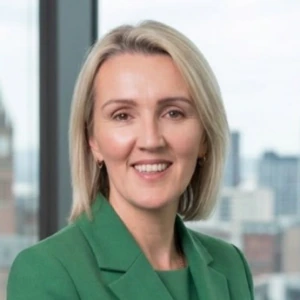
Vicky Tolliday
Director, Better Health MCR
Breakout session | Empowering Collections
Following the publication of the MA’s updated Empowering Collections report, hear from collections practitioners who are embedding the report’s recommendations in their practice and organisations. This session is an honest discussion about the challenges museums face to connect communities with collections in ways that are empowering, relevant and dynamic.
Chair

Sarah Briggs
Grants Manager, Museums Association
Speakers
Inbal Livne
Senior Creative Lead, Manchester City Galleries
Navjot Mangat
Senior Curator of Social Practice, Horniman Museum and Gardens
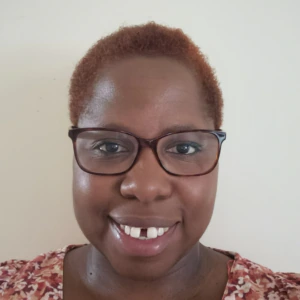
Taniah Simpson
Head of Collections, Herbert Art Gallery and Museum
Breakout session | Responding to racist violence
Following the increase in racist violence across the UK, the MA is holding this space for a facilitated discussion between speakers with recent practical experience of anti-immigration sentiment on the impact of the rise of far-right rhetoric on the sector and what we can do to resist.
Chair
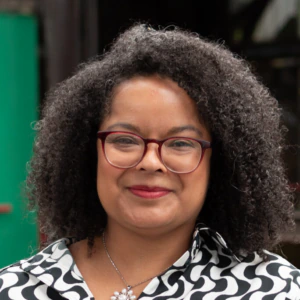
Sheila Asante
Programme Manager: Delivering Change, Museums Galleries Scotland
Speakers
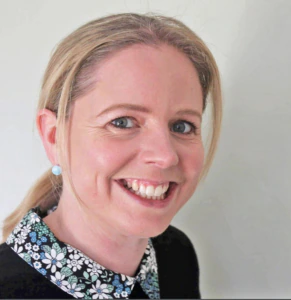
Hannah Crowdy
Head of Curatorial, National Museums NI
Maya Sharma
Head of the Ahmed Iqbal Ullah RACE Centre and Education Trust
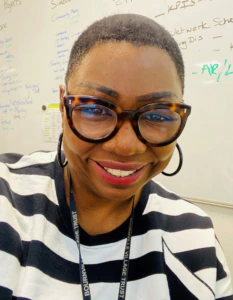
Cheryl Garvey
CEO, Talk Listen Create and MA Anti-racist Museums Programme facilitator
16:30 – 17:00
Coffee and networking
Meet other delegates and our conference supporter companies while relaxing with a tea or coffee.
Chat, chill, create
Visit our dedicated space within the cafe where MA Reps will be facilitating some relaxed networking and creative activities, including contributing to a growing Community Tree.
To explore community connection in museums, delegates are invited to choose from four colour-coded prompts exploring belonging, learning and impact, hopes for the future, and the changes needed to strengthen connections between museums and communities. Add your thoughts to a leaf and watch the collective tree grow as delegates share their experiences, ideas and visions for more connected and inclusive museum communities.
MA Reps will be on hand to support delegates and encourage participation, with the space also providing an opportunity to chat about the prompts or other topics with fellow delegates between sessions.
Book swap
Join us for a book swap and discover your next great read. Bring along a book you’d like to pass on to someone else and browse the collection to take home a new-to-you book to enjoy. We welcome all types of books – from fiction to museology tomes.
17:00 – 18:00
Core session | Casey Bailey
Born and raised in Nechells, Birmingham, Casey Bailey is an award‑winning writer, performer and educator. He served as Birmingham’s Poet Laureate from 2020 to 2022.
Casey has published multiple poetry collections as well as a cultural history of Birmingham’s grime and hip-hop scene. As a playwright, his work has been staged at a range of theatres. His play Please Do Not Touch, which asks important questions about museum collections, completed a successful national tour this year.
His contributions to the arts and education have earned him numerous accolades, including a Royal Television Society Award in 2022 and an honorary doctorate in education from Birmingham Newman University.
Speakers
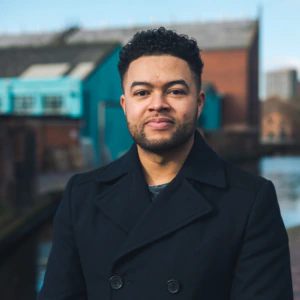
Casey Bailey
Writer, performer and educator
18:15 – 20:00
Closing party | The Exchange
Our closing party takes place at The Exchange, a former bank now run by the University of Birmingham, opposite the conference venue. Say a last goodbye to colleagues under Luke Jerram’s entrancing artwork Helios, a magnified look at our closest star. There will also be a pop-up talk about the art deco banking vaults downstairs.
Advertisement