An exclusive tour of Ikon’s autumn/winter exhibition led by assistant curator Amrit Sanghera. Lines of Flight is the first major survey exhibition of British-Indian artist Balraj Khanna (1939–2024), bringing together more than 40 paintings made over six decades. Through these works, the artist explores themes of migration, Partition, identity and belonging.
Events Conference 2026: Museums Connecting Communities
Tuesday 3 November
Tuesday 3 November
08:20 – 09:20
Morning tour | Ikon Gallery
09:00 – 09:40
Coffee and networking
Meet other delegates and our conference supporter companies while relaxing with a tea or coffee.
Chat, chill, create
Visit our dedicated space within the cafe where MA Reps will be facilitating some relaxed networking and creative activities, including contributing to a growing Community Tree.
To explore community connection in museums, delegates are invited to choose from four colour-coded prompts exploring belonging, learning and impact, hopes for the future, and the changes needed to strengthen connections between museums and communities. Add your thoughts to a leaf and watch the collective tree grow as delegates share their experiences, ideas and visions for more connected and inclusive museum communities.
MA Reps will be on hand to support delegates and encourage participation, with the space also providing an opportunity to chat about the prompts or other topics with fellow delegates between sessions.
Book swap
Join us for a book swap and discover your next great read. Bring along a book you’d like to pass on to someone else and browse the collection to take home a new-to-you book to enjoy. We welcome all types of books – from fiction to museology tomes.
09:00 – 09:30
First-time delegates meet and mingle
If you’re a first-time delegate, or haven’t been to conference for a few years, come along to this welcome session to explore the programme. Tamsin Russell, workforce lead at the Museums Association, shares networking hints and tips while MA reps host facilitated table discussions.
Chair
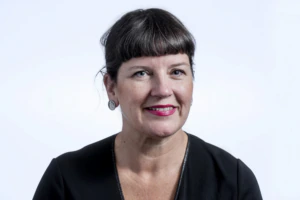
Tamsin Russell
Workforce Development Lead, Museums Association
09:40 – 10:40
Core session | Introduction, welcome and keynote
Introduction from your conference hosts
A warm conference welcome from our hosts, who are four members of the Birmingham Museums Citizens’ Jury, a reflection of this year’s theme: Museums Connecting Communities.
Maya Hussain, Sean MacGowran, Kevin Saunders and Mark Wilson were among the group of Birmingham residents that were chosen in 2024 to help reshape the city’s museums. This innovative initiative aimed to directly involve local residents in the decision-making process.
The Citizens’ Jury is part of a fundamental transformation of Birmingham Museums Trust into a resilient and financially sustainable organisation with the structure, culture, skilled workforce and audience insights to deliver its ambitious vision.
Keynote: Gus Casely-Hayford
Gus Casely-Hayford joined the Victoria and Albert Museum (V&A) in March 2020 as the director of V&A East, which recently opened in east London.
As a curator and historian, Gus writes, lectures and broadcasts widely on culture, having presented several series for Sky, BBC radio and television and other channels.
He is a former executive director of arts strategy at Arts Council England, and is also a past director of the Institute of International Visual Art.
Gus has offered leadership to large and medium-scale organisations, including the Smithsonian National Museum of African Art in the US. He has served on the boards of many cultural institutions, including the National Trust and the National Portrait Gallery in London.
Gus has lectured widely on culture, including periods at Sotheby’s Institute, Goldsmiths, Birkbeck, City University, University of Westminster and SOAS. He has advised national and international bodies on heritage and culture including the United Nations and the Canadian, Dutch and Norwegian Arts Councils.
In 2005 he deployed these leadership, curatorial, fundraising and communications skills to organise the biggest celebration of Africa Britain has ever hosted, with more than 150 organisations running over 1,000 exhibitions and events.
Gus has a PhD from SOAS and is a cultural fellow of King’s College London. He was awarded an OBE in 2018.
Speakers
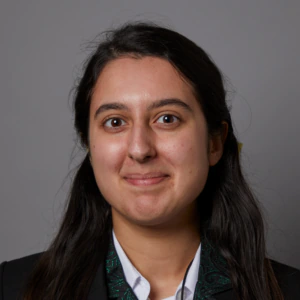
Maya Hussain
Birmingham Museums Citizens’ Jury
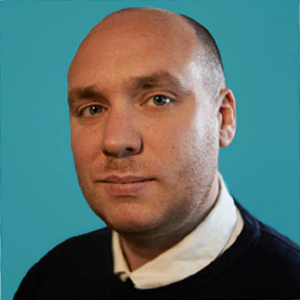
Sean MacGowran
Birmingham Museums Citizens’ Jury
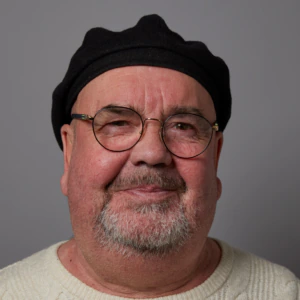
Kevin Saunders
Birmingham Museums Citizens’ Jury
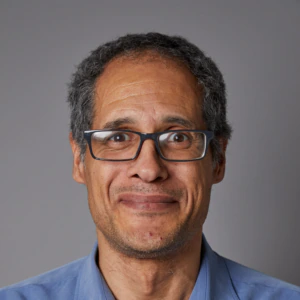
Mark Wilson
Birmingham Museums Citizens’ Jury
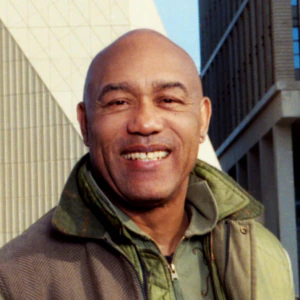
Gus Casely-Hayford
Director, V&A East
10:50 – 11:50
Core session | Innovation, imagination and implementation of radical museum practice
As the higher education sector goes through a period of unprecedented change, university museums have the opportunity and imperative to innovate their practice and adopt radically different models.
This panel session welcomes everyone. It presents and reflects on some practical case studies of university museums that have adopted radically different approaches and are relevant to the wider museum sector. The real-world implementation of divergent approaches and models offers an opportunity to consider and critique the strengths and weaknesses of these alternative models for the future of museums.
Located across the country, university museums have a genuinely national reach and representation and are at the heart of research environments that share an interest in the cutting edge of societal change. These networks of thought, ideas and human connection are often international in nature with an inherent ability to generate and maintain global relationships over time. These attributes foster a landscape of imagination and innovation that act as a catalyst for the process of institutional change.
Takeaways:
- Learn how institutional pressures can be a catalyst for museum innovation.
- Understand how to implement radical changes in museum practice.
- Explore different models of how to run a museum.
Chair
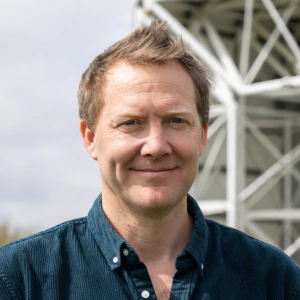
Jago Cooper
Executive Director, Sainsbury Centre, University of East Anglia
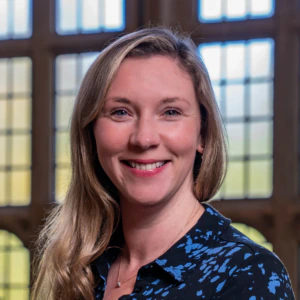
Jenny Powell
Director, Barber Institute of Fine Arts, University of Birmingham
Speakers
James Christen Steward
Nancy A. Nasher—David J. Haemisegger, Class of 1976, Director, Princeton University Art Museum
Ciaron Wilkinson
Head of Partnerships and Engagement, Manchester Museum
In Practice session | Not just a stepping stone: rethinking professional development for visitor experience teams
Museums depend on visitor experience teams, yet many team members see these roles as short-term stepping stones.
In a sector facing recruitment challenges, rising costs and calls for more inclusive talent pipelines, investing in the development of visitor experience teams is no longer optional.
In this session Spencer Rust, visitor experience training manager at London Transport Museum, shares a cross-departmental work experience pilot that saw participants spend time working with different teams – from learning to curatorial, marketing to venue hire – contributing to a specific project, supported by regular 1:1s with their host supervisor and peer-to-peer buddy sessions.
Spencer will unpack the decisions behind designing the programme, how to influence colleagues and leadership, and the challenges and surprises he encountered along the way. Participants will leave with practical ideas for action in their own museums – whether that’s creating a similar programme or rethinking how we nurture, develop and retain visitor experience team members more broadly.
Takeaways:
- Understand why supporting the development of visitor experience team members is critical.
- Gain a practical, adaptable framework for a cross-departmental work experience programme.
- Learn how to secure buy-in from colleagues and leadership, even when capacity and budgets are tight.
Speakers
Spencer Rust
Visitor Experience Training Manager, London Transport Museum
Rowan Cox
Information Desk Visitor Experience Assistant, London Transport Museum
Workshop | Going places: safeguarding for community collaboration
Join this participatory workshop to shape the development of safeguarding guidance for the sector.
Together, we explore how the Art Fund’s Going Places safeguarding framework could evolve into a practical, accessible resource, incorporating safeguarding for vulnerable adults, case studies and best practice examples, and adaptable templates for sector use.
The guidance was commissioned as part of a UK-wide programme of touring exhibitions co-created by museums and galleries in partnership with local communities. It promotes best practice in safeguarding to build confidence and skills when collaborating with young people, supporting overnight trips and cross-partner working, clarifying responsibilities, and ensuring relevance across all four UK nations.
But research conducted during its development identified a gap in provision of museum-specific safeguarding toolkits and low confidence among museum colleagues in creating safeguarding policies and adhering to best practice and legal responsibilities.
These gaps can prevent museums from delivering meaningful engagement opportunities for underserved audiences, including young people and vulnerable adults. Strong safeguarding frameworks are essential to building trusted relationships, enabling partnership working, and ensuring staff and volunteers feel confident and supported.
Takeaways:
- Find out how safeguarding can support, not hinder, collaboration with young people.
- Explore how to involve young people in the development of safeguarding.
- Contribute to the development of a toolkit for use by the wider sector.
Speakers
Laura Crossley
Director, Laura Crossley Consulting/CultureBloom
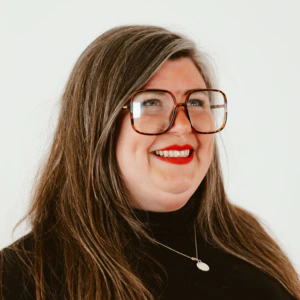
Gracie Divall
Senior Programme Manager, Going Places, Art Fund
Breakout session | From global to local: museum responses in challenging times
During times of crisis and insecurity, museums and their local communities can be severely impacted. Though the drivers of crisis and the challenges faced will be many and varied, the responses have a common theme of collaboration, partnership, shared resources and a sense of community.
Focusing on Africa and South and Southeast Asia, this session looks at how museums and communities can provide mutual support and benefit to address a crisis and plan for a sustainable, inclusive and resilient future.
Speakers in this session are united by global to local learning, inspiring solutions and a shared sense of cultural purpose.
The panel looks at how the challenging and unexpected can result in new and exciting opportunities for the wider heritage and cultural community. They discuss their projects and programmes, perspectives and practice to highlight how creativity and a collective purpose can address international challenges on a local level.
The panel members share stories from India, Indonesia and Uganda that showcase the work being done globally to preserve, protect and promote local histories in response to the global challenges of climate change, natural disasters and societal transformation.
Takeaways:
- Learn from global experiences that have a local resonance for museum staff and audiences.
- Hear how common challenges and solutions can be shared and how we can all learn from our collective experience.
- Discover more about how working in collaboration, nationally and internationally, can support local communities to tell their stories.
Chair
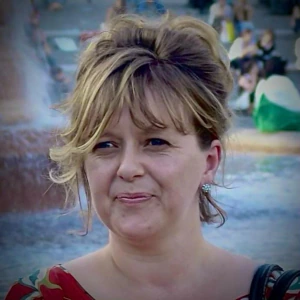
Claire Messenger
Manager, International Training Programme, British Museum
Speakers
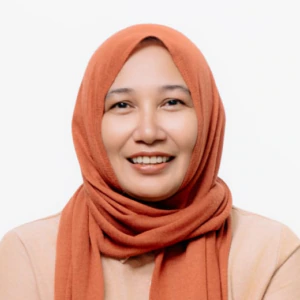
Hafnidar
Reviewer of Regional Policy, Department of Culture and Tourism, Aceh, Indonesia
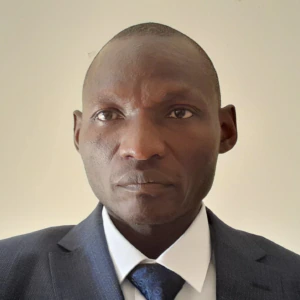
Abiti Adebo Nelson
Principal Curator, Museum Service, Department of Museums, Ministry of Tourism, Wildlife and Antiquities/Curator, Ethnography, Uganda National Museum, Uganda
Namrata Sarmah
Assistant Curator, National Maritime Heritage Complex, Gujarat, India
Breakout session | Bridges to China: connecting communities and collections in Northern Ireland
As our world becomes more polarised, and levels of social isolation and loneliness increase, museums can play important roles in connecting communities, building understanding and fostering a sense of belonging.
This panel discussion brings together Chinese community members and museum and university partners to share impacts from Bridges to China, a community research collaboration connecting China and Northern Ireland through heritage collections and storytelling. The project was delivered by Queen’s University Belfast, Chinese Welfare Association, National Museums NI and Avila Media.
The collaborators set out to build a partnership, with participants shaping the research and determining how their histories were shared. Through object handling workshops, talks, tours and creative activities, Chinese community members in Belfast investigated both museum collections and personal objects. Their work mapped out new approaches to museum practice through community curation drawing on the histories and lived experiences of Chinese communities across Belfast.
A co-curated digital resource shares powerful testimonies from community members, using objects to explore heritage, belonging and identity.
The discussion reflects on working across cultures, generations and diverse lived and professional expertise, while forming close friendships and partnerships in the process; and on how a small region with a complex past can model a more open, united and informed approach to heritage practice.
Takeaways:
- Find out how community perspectives reshaped the museum’s understanding of the objects in the project.
- Hear practical advice on building equal partnerships in community co-production and co-curation.
- Learn about telling diverse, collaborative stories in a region with complex histories.
Chair
Briony Widdis
Research Fellow, Queen’s University Belfast
Speakers
Yushan (Connie) Tang
Academic Researcher in Developmental Psychology, Queen’s University Belfast
Kelly Wang
Deputy Director of External Affairs, Chinese Chamber of Commerce NI, and member of the Chinese Welfare Association
Tríona White Hamilton
Curator of Modern History, National Museums NI
Training | Snakes and ladders: navigating your museum career
In this interactive session, you’ll look at the enablers and barriers to career development, using gamification to explore and problem solve your next steps as small teams – and you’ll explore how the Museums Association’s professional development programmes can help.
Chair
Tamsin Russell
Workforce Development Lead, Museums Association
Meet the MA | Esmée Fairbairn Communities and Collections Fund
Meet the grantees and get advice from Sarah Briggs, the grants manager at the Museums Association. More details to follow soon.
Chair

Sarah Briggs
Grants Manager, Museums Association
Networks | Museum Disability Badge Scheme
The Museum Disability Badge Scheme is a new scheme currently in development by disabled people, for disabled people. Come along to this informal meet-up, hosted by Emily Elsworth and Pen Foreman, to ask discuss access in a safe space, find out more about the scheme and help to shape what it will look like.
12:00 – 13:00
Core session | An act of repair: the case for restitution
There is growing momentum around restitution and an increase in the number of repatriations of ancestral remains and objects from museums in the UK. This panel discussion looks at whether this represents a turning point and how we might better understand the ethical imperatives behind the practice.
The session explores how restitution fits within the broader context of decolonisation, reconciliation and healing, how we care for colonial collections and what needs to happen at a policy and funding level to effect change.
Chair
Laura Van Broekhoven
Director, Pitt Rivers Museum
Speakers
Heba Abd el Gawad
Senior Curator of Anthropology, Horniman Museum and Gardens
Thupten Kelsang
Robert H. N. Ho Family Foundation Buddhism Public Scholar, Courtauld Institute
Brain Miennies
Managing Director, Kalahari Earth Keepers International (KEKI), and Deputy Secretary-General, CASANR
Steph Scholten
Director, The Hunterian, University of Glasgow
In Practice session | When place becomes the programme: moving from engagement strategies to core purpose
This session takes a practical look at how small and medium-sized museums across the Midlands are undertaking community-led activity through participation in the Museum Development Midlands Sense of Place and Hidden Narratives programmes.
Speakers showcase how museums are embedding community voices, celebrating placemaking, and creating inclusive, locally rooted experiences that respond directly to their local contexts.
Using case studies, this session explores how these organisations develop community heritage by working closely with local communities and partners, uncovering overlooked stories, and co-creating exhibitions, collections and programmes. In doing so the session highlights how museums operate within a wider cultural ecosystem within their “place”, connecting heritage, lived experience and contemporary community life.
The session focuses on three key areas: community collaboration, inclusive practice, and place-based storytelling using local heritage and lived experience to foster identity and belonging.
The session is aimed at museum professionals, community engagement practitioners, and anyone interested in delivering meaningful, sustainable and locally resonant place-based projects.
Takeaways:
- Explore the potential of museum development in the local context with lived experience and community identity.
- Learn from case studies about embedding community voices to achieve genuine co-creation.
- Hear about what is needed to successfully embed placemaking.
Speakers
Sally Hawley
Museum Development Collections Officer, Museum Development Midlands
Ashleigh Jayes
Manager, Almonry Museum
Helen Sharp
Programme Officer, Museum Development Midlands
Workshop | Let’s keep talking about failure
This workshop picks up where last year’s “Let’s talk about failure” session left off – this time with less instruction from presenters and more options for participants to drive and shape the discussion.
Participants in last year’s workshop are invited to share if and how their relationship to failure has changed and what strategies they have been using to support open discussion about failure among their teams. Taking part in last year’s workshop is not a prerequisite for attending this session.
Participants join small group-facilitated discussions and activities on various themes where they can share their experiences, problem solve together, and network with one another.
Takeaways:
- Understand how to destigmatise failure.
- Meet future collaborators.
- Support a community of innovative museum professionals who speak frankly about their failures in order to learn from them.
Speakers
Margaret Middleton
Independent exhibit designer and museum consultant
Pierrette Squires
Conservation Manager, Glasgow Life
Kate Wafer
Co-director, Wafer Hadley
Breakout session | Walking the talk: organisational wellbeing in practice
Across the museum sector, we often talk about the wellbeing of our communities, but we don’t often acknowledge our staff and volunteers as a community we need to serve and support. As museums face increasing financial pressure, restructures and workforce instability, staff wellbeing is being stretched.
The impact of poor organisational practice and burnout is often heavier on workers most marginalised by society. We argue that caring for the museum workforce is not a “nice to have” but a core requirement for resilient, inclusive, future-facing museums.
This panel brings together practitioners working at the intersection of organisational culture, leadership and workplace wellbeing to move the conversation beyond rhetoric and into action. Drawing on real-world case studies, the panel will explore what good organisational wellbeing can look like in practice.
We ask: “How can museums begin to implement meaningful change, even with limited resources?”
Rather than asking staff to cope better, this session focuses on what organisations and leaders can do differently: policies that matter, cultural shifts that stick, and practical steps to take now.
Panel members will offer concrete examples of initiatives that have been trialled, adapted and sustained, highlighting scalable approaches for organisations of different sizes and contexts.
Takeaways:
- Understand the impact of structural sector issues on workforce wellbeing and on the sustainability of our museum community.
- Hear practical examples of how you can move from wellbeing rhetoric to structural change, to be more resilient and inclusive as an organisation.
- Learn how to advocate for meaningful change within your organisation.
Chair
Sarah Oswald
Consultant and coach, The Authentic Spark
Speakers
Laura Crossley
Director, Laura Crossley Consulting/CultureBloom
Denise Greany
Learning and Participation Manager, Heritage and Culture, Newark and Sherwood District Council
Kate Oliver
Learning consultant
Breakout session | Decolonising the provincial museum: from Nandi to Kendal and back again
Discover how regional museums might work with international and local partners to collaboratively explore their connected histories.
The panel discussion explores lessons from a collaboration between Kendal Museum in Cumbria and representatives from the indigenous Nandi community of western Kenya. The partnership developed around a collection of hunting trophies donated by a man responsible for leading violent military operations against the Nandi community, who opposed British colonisation and rule.
Representatives from the Nandi community are now working with the museum to incorporate the history of the resistance to British colonialism into its collection interpretation and displays, and to bring communities in Cumbria and Nandi County together to collaboratively explore their connected histories. This includes working towards the repatriation of three horned musical instruments currently in the museum’s care.
We explore what lessons might be learned from this example for other provincial museums seeking to decolonise their collections and bring communities together.
Takeaways:
- Understand the challenges of carrying out decolonisation work in a local museum.
- Learn how to engage in this work in smaller museums.
- Hear about the lessons learned by Kendal Museum.
Chair
Nicola Stylianou
Project Co-ordinator, Rethinking Relationships, Pitt Rivers Museum
Speakers
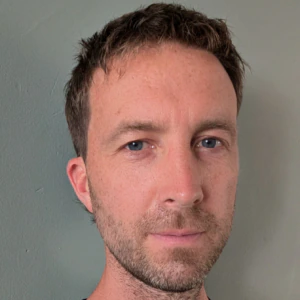
Joe Rigby
Lecturer in Sociology, University of Chester and Research Partner, Kendal Museum
Kipnyango Seroney
Nandi-Kendal Association
Francis Talam
Curator, Koitaleel Samoei Mausoleum, Nandi County, Kenya
Training | Curating trans potential
There is more contemporary LGBTQIA+ curation in GLAMs than ever. But how do we interpret gender diverse collections that may resonate with trans audiences, but predate trans terminology? Presenting research from a new toolkit, Curating Trans Potential, we explore creative approaches to confidently unlock trans potential throughout history.
Supported by the Queer Heritage and Collections Network, Curating Trans Potential covers common hesitancies for curatorial and engagement staff when discussing people and objects that might today be considered trans but were created or lived before the late 20th century.
Topics include how to approach pronouns and names on interpretation about potentially trans historical figures and holding space for multiple narratives about a gender non-conforming person who is claimed as a significant ancestor by multiple communities.
Speakers
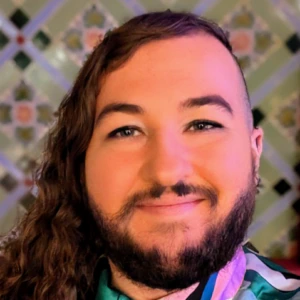
Jaime Starr
Queer historian and curator
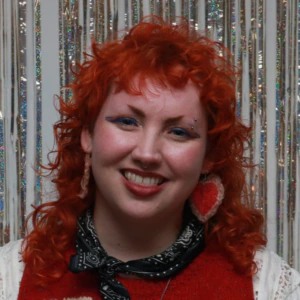
Beau Brannick
Heritage Collections Manager, Museum of Transology and Curator, Queer Britain
Meet the MA | Health and Wellbeing in Museums grantees
Open to all grant recipients of the Health and Wellbeing in Museums Fund and their partners, this collaborative session explores our opportunities for working together, sharing learning and expertise, supporting ourselves and our colleagues, and celebrating the exceptional health and wellbeing work being delivered. If you have been awarded funding in 2025 or 2026, please come along.
Chair
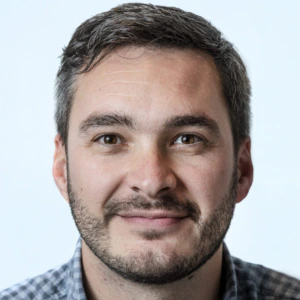
Craig Smith
Health and Wellbeing in Museums Project Officer, Museums Association
13:00 – 14:00
Lunch
Enjoy a vegetarian/vegan lunch, chat with other delegates and meet our sponsors during this extended lunch break.
Chat, chill, create
Visit our dedicated space within the cafe where MA Reps will be facilitating some relaxed networking and creative activities, including contributing to a growing Community Tree.
To explore community connection in museums, delegates are invited to choose from four colour-coded prompts exploring belonging, learning and impact, hopes for the future, and the changes needed to strengthen connections between museums and communities. Add your thoughts to a leaf and watch the collective tree grow as delegates share their experiences, ideas and visions for more connected and inclusive museum communities.
MA Reps will be on hand to support delegates and encourage participation, with the space also providing an opportunity to chat about the prompts or other topics with fellow delegates between sessions.
Book swap
Join us for a book swap and discover your next great read. Bring along a book you’d like to pass on to someone else and browse the collection to take home a new-to-you book to enjoy. We welcome all types of books – from fiction to museology tomes.
Meet the MA | Anti-racist Museums Programme
An invitation-only meeting for alumni of the MA’s Anti-racist Museums Programme. Lunch will be available for those attending this session.
14:00 – 15:00
Core session | Open licensing: connecting communities through shared culture
Open licensing of online collections can be a powerful mechanism for connecting and engaging the public with museums. Yet, in the age of AI, it can also raise concerns about ethical use of collections, conflicts with commercial strategies and regulatory considerations such as copyright, privacy and cultural rights.
This panel session explores how open licensing can expand access to collections, foster collaboration and stimulate creative reinterpretations of cultural heritage. We highlight real-world opportunities: community co-creation projects, educational initiatives that repurpose open content, and partnerships with Wikimedia communities.
The panel will also discuss practical challenges such as funders’ requirements, rights clearance, ethical considerations around sensitive or culturally significant material, and balancing open access with institutional commercial sustainability.
Aligned with the conference theme of Museums Connecting Communities, this session unpicks how open-content policies can strengthen institutional trust and enliven collections as shared cultural resources, while balancing this with discussions about ethical, regulatory and institutional challenges.
You will walk away with case studies and practical next steps to help you consider the opportunities and potentially resolve obstacles associated with open licensing.
This session includes a five-minute welcome from one of our conference supporters, John Kerr, Sales and Marketing Director, Zund UK, on digitising archival packaging workflows.
Takeaways:
- Understand open licensing models and how they support public access and reuse.
- Hear about practical strategies for navigating potential challenges such as rights clearance, ethical and regulatory requirements.
- Explore institutional examples of policy development work, funder engagement, and partnerships to address potential obstacles.
Chair
Naomi Korn
CEO, Naomi Korn Associates
Speakers
Andrea Cop
Research and Academic Liaison Manager, National Museums Scotland
Amy Taylor
Picture Library Manager, Ashmolean Museum
Aidan McNeill
Head of IPR and Licensing, Art UK
In Practice session | The museum of them and us: tackling class inequality
Recent estimates suggest that only 5.2% of museum workers come from working class backgrounds. Class inequality is a significant yet often overlooked issue in the sector.
Practices including low pay, unpaid internships, costly qualifications, precarious contracts, informal recruitment, rigid hierarchies and “idealised” career pathways continue to shape who enters, progresses and feels they belong in museums.
This session presents key findings from recently published research and an innovative pilot partnership between Royal Holloway Business School, Museum as Muck and Birmingham Museums Trust, and shares new insights into tackling class inequality.
It introduces a practical class inclusivity checklist from which participants can assess their own institutional practices and identify realistic actions for change.
This session is particularly relevant for museum leaders, HR professionals, hiring managers, and practitioners seeking research-informed, practical strategies to build a more equitable workforce.
Takeaways:
- Understand the structural roots of class inequality in museums and how it differs from – and intersects with – other forms of inequality.
- Gain practical tools and tested actions to make your workplace culture more class inclusive.
- Leave with a clear starting point for change, using the class inclusivity checklist to assess and improve practice within your own organisation.
Speakers
Samantha Evans
Associate Professor, Royal Holloway Business School, University of London
Michelle McGrath
Founder, Museum as Muck
Fran Riando
Museum as Muck
Workshop | When access is not accessible: rethinking sensory inclusion in museums
Museums are places for community, dialogue and learning, but how well does this extend to people who do not primarily engage through looking and listening?
Recent research led by Anica Zeyen (Royal Holloway) and Amy Stone (access and community heritage consultant), co-developed with disabled people’s organisations, d/Deaf, disabled and neurodivergent participants and museum professionals, shows that significant work remains.
While some museums are beginning to consider blind and/or d/Deaf visitors, provision is often segregated from the main offer, inconsistently available or heavily mediated by staff. This limits independent engagement and turns access into something granted rather than embedded. The result is a museum experience that remains unequal, inflexible and too often inaccessible.
This interactive session brings together research, lived experience and practical expertise to spark a forward-looking conversation about strengthening sensory access. It will explore approaches that challenge existing assumptions and show that meaningful inclusion does not always require large budgets, but a shift in priorities, practice and power.
Participants will discuss international examples, share challenges and work collectively to develop practical and scalable solutions. The aim is not to add access, but to rethink museums as spaces where sensory diversity is expected, welcomed and built into the core visitor experience.
Speakers
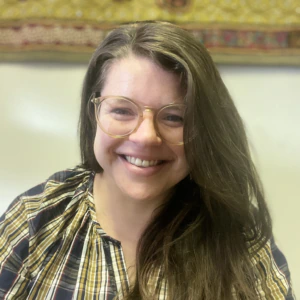
Amy Stone
Access and community heritage consultant
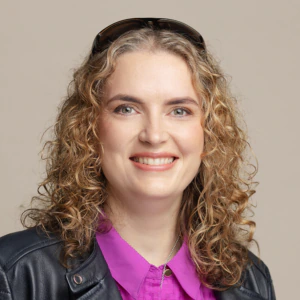
Anica Zeyen
Professor in Entrepreneurship and Inclusion, Royal Holloway Business School, University of London
Breakout session | Community Catalysts: flipping the power dynamic
The Community Catalysts strand of Museums Galleries Scotland’s Delivering Change programme aims to flip the power dynamic to centre systemically excluded communities. The programme directly funds seven community groups to realise their ideas about how to transform museums to make them work better for them and their communities.
The Catalysts chose the museums and hold all the funding, and the museums have been challenged to adapt to the Catalysts’ needs.
Led by the Catalysts, this session creates a dialogue with the audience to disrupt the status quo. Starting with a conversation with the chair, the Catalysts share their experiences before opening out to the audience to work in groups and reflect on provocations.
During the session the audience can share their own provocations. There will also be an exclusive preview of the Catalysts’ film that they have produced as part of their media education training programme.
Takeaways:
- Hear from systemically excluded communities and sit with the discomfort of their experiences.
- Be inspired by the programme’s radical flipping of the power dynamic in museums.
- Find out how you can make your museum accountable to systemically excluded communities.
Chair
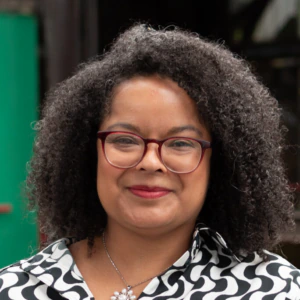
Sheila Asante
Programme Manager: Delivering Change, Museums Galleries Scotland
Speakers
Nikki Kilburn
Director, Zya Community
Rajvinder Singh
Development Lead, Sikh Sanjog
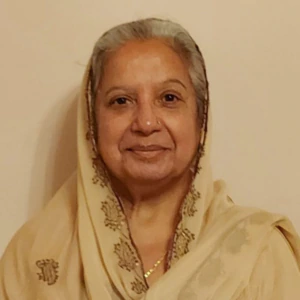
Trishna Singh
Founder/Director, Sikh Sanjog
Breakout session | Connecting communities through transparent collections practice
This panel explores museums’ responses to outdated, offensive or sensitive language in collections records and galleries.
How are museums addressing harmful terminology? What does it mean to do this work responsibly? The panel will share its challenges and invite others to share theirs, particularly around working with communities, transparency and resourcing.
The session aims to build a network of heritage professionals working on similar issues, and create space for honest exchange about what’s working, what isn’t, and what we’re still learning.
These approaches include internal discussion groups, reviewing documentation, introducing guidance and public feedback mechanisms, and supporting staff and volunteers encountering harmful language. The panel also examines how collections systems can better capture community input alongside curatorial expertise.
The session offers a chance to ask questions and discuss solutions that attendees have tried, helping to build a network of practitioners, while creating space for honest discussion about complexity, responsibility and connection.
Takeaways:
- Learn practical starting points for terminology review, applicable to organisations of different sizes.
- Find out how to embed transparency, accountability and risk awareness in collections practice.
- Understand how to move from internal review to meaningful community connection.
Chair
Rosie Barker
Head of Curatorial and Participation, Birmingham Museums Trust
Speakers
Lisa Graves
Senior Curator, World Cultures, Bristol Museums
Laura Humphreys
Curatorial Lead (Collections and Digital), Science Museum Group
Zoë Hollingworth
Collections Systems Lead, Victoria and Albert Museum
Networks | Queer Heritage and Collections Network
The Queer Heritage and Collections Network is a UK-wide Subject Specialist Network that provides training, networking and peer support to people working with LGBTQ+ collections and histories. Join this informal meet-up to connect with others working with queer heritage.
15:10 – 16:10
Core session | Locating communities: the impact of rurality on museum engagement
This session explores how museums and heritage institutions are connecting with communities in rural settings.
Speakers look at what rural is and how rurality impacts engagement and collection policies, including physical location and communal attitudes, in both rural and urban museums.
Takeaways:
- Leave with a better understanding of the barriers for museums and heritage institutions engaging with rural communities.
- Learn different methods museums can use to work with rural communities.
- Discover new ways to better engage rural communities that you could implement at your institution.
Chair
Katie Miller
Collections and Engagement Curator – Archaeology, Herefordshire Museums & Galleries
Speakers
Ollie Douglas
Curator, Museum of English Rural Life
Isobel King
Community Engagement Curator, Museum of Cornish Life
In Practice session | Curating with community voice: Manchester, cotton and transatlantic slavery
How can museums meaningfully address difficult histories while sharing authority with the communities most affected by them? This session presents a case study from the Science and Industry Museum and the Scott Trust (the Guardian) in Manchester, exploring collaborative approaches to interpreting the city’s historical connections to cotton and transatlantic slavery and the resulting legacies.
Curator Reece Williams and programme manager Keisha Thompson are joined by members of the museum’s Collaborators Circle – a group of community-based professionals working for and with African Diasporic communities who extend the curatorial team and work as co-creators – to reflect on how partnership working has shaped the project.
The session offers practical insight into best practice for working with challenging subject matter, including strategies for building trust, navigating contested narratives and centring wellbeing for all stakeholders. Participants hear how the Collaborators Circle authentically informs curatorial principles and decision-making, and how this approach supports more equitable, accountable and community-led storytelling.
You are invited to rethink established curatorial processes and consider how collaborative models can transform the way institutions research, interpret and present complex histories.
Takeaways:
- Learn how to enhance curatorial practice by working collaboratively with community co-creators.
- Explore ways to widen community engagement.
- Find out about best practice in curating content with difficult subject matter.
Speakers
Keisha Thompson
Programme Manager (Manchester), Legacies of Enslavement Programme, The Guardian
Reece Williams
Curator – Legacies of Enslavement, Science and Industry Museum
Workshop | Repatriation
This workshop shares examples of the different types of restitution that have happened in the UK in recent years, from the perspective of UK-based practitioners. It explores the time, care and attention this work takes, with each event being different and unique. The session discusses the practical aspects of restitution, including building relationships with communities of origin, undertaking community-led collections research and successfully communicating with stakeholders.
Chair
Lisa Graves
Senior Curator, World Cultures, Bristol Museums
Speakers
Marina de Alacron
Curator and Head of Collections, Pitt Rivers Museum
Adrian Plau
Access Lead, Wellcome Collection
Ali Clark
Senior Curator, Oceania, National Museums Scotland
How Did We Get Here? Reimagining colonial narratives at Kedleston
This session explores how a historic National Trust collection – long framed through colonial narratives – is being reimagined through equitable collaboration, shared authority and lived experience.
How Did We Get Here? is a community-centred exhibition developed at National Trust property Kedleston in Derbyshire, in partnership with members of the Tibetan community living in Britain. The exhibition focuses on three Tibetan objects in Kedleston’s collection and questions how they came to be in Derbyshire.
The session explores the co-creation process behind the exhibition. It will highlight how British-Tibetan partners shaped every interpretive layer: from culturally informed conservation decisions to the development of written interpretation, to the centrepiece film, Encounters, which captures the emotional responses of members of the Tibetan community to the objects. The project foregrounds questions of provenance, identity and ethical stewardship, while challenging stereotypes.
Above all, the session asks: how can a community-centred approach change the way a heritage organisation presents the collections and places in its care? Delegates will leave with transferable learning on navigating sensitive histories, building trust, sharing power, and designing visitor experiences that foster dialogue, empathy and deeper connection across communities.
Takeaways:
- Hear about practical models for equitable co-creation.
- Discover different approaches to culturally informed interpretation.
- Explore organisational change through community partnership.
Chair
Paige Emerick
Project Manager, National Trust
Speakers
George Doji
Tibetan community partner
Morgan Feely
Property Experiences Curator, National Trust
Nyima Murry
Artist and filmmaker
Breakout session | Replicating the “Lonely Queen” Nefertiti: an ethical approach to restitution?
In this interactive workshop, run by Reimagining Museums, explore the role of replicas in museological practice using an example of contested heritage: the Bust of Nefertiti.
Using 3D released from Berlin’s Egyptian Museum by artist-activist Cosmo Wenman, we have reproduced the Bust using 3D printing technology.
The workshop is an opportunity to explore the role of replicas in the polarised debate regarding restitution and repatriation of contested heritage.
Takeaways:
- Explore the ethics of using replicas in displays.
- Discuss how contested heritage can be explored in innovative ways.
- Learn from this practical case study about working with 3D printing technology.
Chair
Errol Francis
Artistic Director and CEO, Culture&
Speakers
Chloe Asker
Research Fellow, Culture&
Victoria Tischler
Research Consultant, Culture&
Training | Health and Wellbeing in Museums: evaluating impact
Through a carousel of round table discussions, explore some of the creative ways that museums are evidencing impact, measuring change and collecting meaningful data across a range of health and wellbeing projects.
When working with vulnerable, marginalised and survey-fatigued groups, it can be challenging and sometimes even inappropriate to use standard evaluation methods – but then how to evidence impact? Join the session to interrogate some of the sector’s usual tools and techniques and hear examples of how others are discovering new ways of evaluating impact.
Speakers
Anna Cullum
Independent evaluator, Health and Wellbeing in Museums programme
Craig Smith
Health and Wellbeing in Museums Project Officer, Museums Association
Meet the MA | Wellbeing campaign and anti-ableism report
Come along to discuss the Museums Association’s wellbeing campaign and our recently launched Wellbeing and Ableism Recommendations Report. You’ll also have the opportunity to seek advice and make suggestions to improve our activities in this area of practice.
Chair
Tamsin Russell
Workforce Development Lead, Museums Association
Networks | Museum as Muck
Museum as Muck is a network of people from low socio-economic backgrounds working to create change across the cultural sector. Come along to this informal meet-up to connect with other museum people from low socio-economic backgrounds, share experiences, and take a breather in a relaxed and welcoming environment.
16:10 – 16:40
Coffee and networking
Meet other delegates and our conference supporter companies while relaxing with a tea or coffee.
Chat, chill, create
Visit our dedicated space within the cafe where MA Reps will be facilitating some relaxed networking and creative activities, including contributing to a growing Community Tree.
To explore community connection in museums, delegates are invited to choose from four colour-coded prompts exploring belonging, learning and impact, hopes for the future, and the changes needed to strengthen connections between museums and communities. Add your thoughts to a leaf and watch the collective tree grow as delegates share their experiences, ideas and visions for more connected and inclusive museum communities.
MA Reps will be on hand to support delegates and encourage participation, with the space also providing an opportunity to chat about the prompts or other topics with fellow delegates between sessions.
Book swap
Join us for a book swap and discover your next great read. Bring along a book you’d like to pass on to someone else and browse the collection to take home a new-to-you book to enjoy. We welcome all types of books – from fiction to museology tomes.
16:40 – 18:00
Core session | President’s keynote, AGM and Museums Change Lives Awards
Join our president Steve Miller, treasurer Mo Suleman and director Sharon Heal as they reflect on the past year and look forward to the year ahead.
Find out about our strategic priorities, organisational performance and proposed membership fees, and celebrate our new Associates and Fellows of the Museums Association.
We have an amazing shortlist of museums and people delivering social impact in their communities for this year’s Museums Change Lives Awards. Discover the winners in a ceremony presented by our conference hosts.
Speakers
Steve Miller
President, Museums Association and Director of Culture & Heritage, Norfolk County Council
Mo Suleman
Treasurer, Museums Association, Chartered Certified Accountant and Finance Director, Bloc Digital
Sharon Heal
Director, Museums Association
18:30 – 20:30
Main party | Birmingham Museum and Art Gallery
After an exhilarating opening day of conference at the Birmingham Rep, head around the corner to the grand Birmingham Museum and Art Gallery.
The recently refurbished museum is a fittingly grand space to host our main party. Relax with a drink as you network and check out the museum’s Made in Birmingham gallery, which looks deeper into the stories and people who made the city. Don’t miss the museum’s much-heralded new Elephant in the Room gallery, which explores how objects have found themselves in this collection.
Advertisement