
As we prepare to gather for the Climate Resilience in the Cultural Sector Conference, here in the UK, 2026 has got off to an exceptionally wet start – with a strong and unusually southerly jet stream bringing frequent rain, strong winds and wintry hazards.
South-west England has been particularly battered, experiencing 216 millimetres of rainfall so far – 184% of the long-term average for this time of the year. Since the start of this decade, the UK has seen the warmest, fifth wettest, and eighth sunniest year on record (2020).
This was followed by 2022, which was the first year to exceed an average temperature of 10°C, and 2025, which broke records as the warmest and sunniest yet. The backdrop is no longer just the history we curate, but the future we are actively navigating.
When I chaired the London Climate Resilience Review, one thing became crystal clear: our changing climate is not a distant threat—it is a present-day reality and protecting the lives and livelihoods of working people from extreme weather is non-negotiable.
The review highlighted that the cultural sector is at the sharp end of extreme weather. Recommendation 15 of the review is particularly relevant: it calls on the sector to convene key partners to share best practice on adaptation and create adaptation plans and actions.
This isn’t about ticking boxes; it’s about acknowledging that for a museum, cinema or historic house, "resilience" is the new prerequisite for "relevance".
Advertisement
And it is why I am delighted to speaking at the climate conference, which has been organised by the National Museum Directors’ Council.
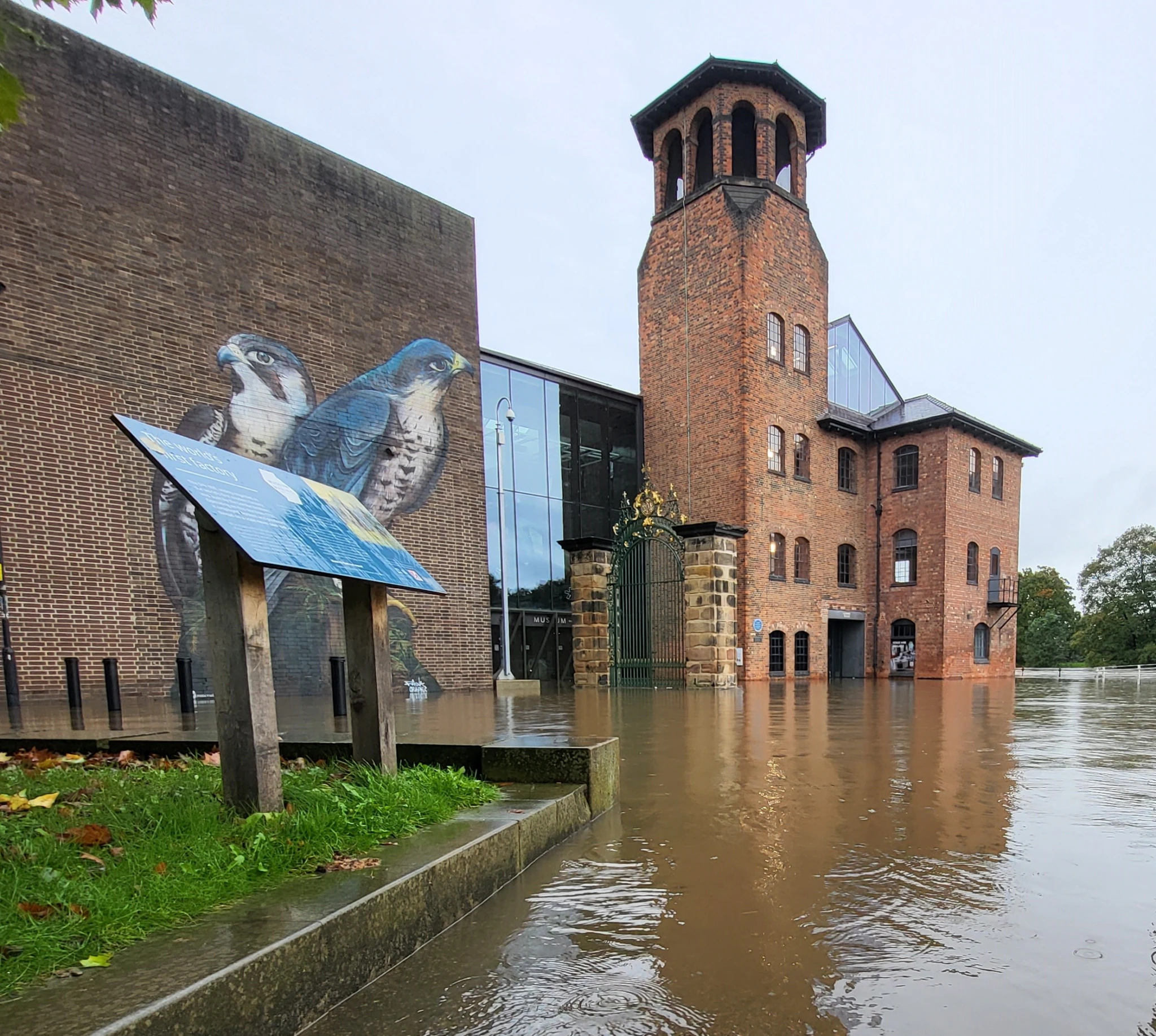
We are already seeing what "lethal risks" look like in practice. The Museum of Making in Derby, a site that embodies industrial ingenuity, suffered devastating flooding during Storm Babet. Despite being designed with flood-resilient ground floors, the sheer volume of water surpassed predictions, causing six-figure damages.
It isn’t just water; it is the heat. In our historic houses, we are seeing the "thermal lag" of stone and brick work against us. National Trust properties, once refuges of cool, are now recording indoor temperatures exceeding 36°C. At places such as Hardwick, volunteers must rotate shifts to avoid heat exhaustion, and the conservation heating was turned off to prevent the collections from baking.
This isn't just a UK problem. The tragic loss of a Taylor Swift fan in Rio de Janeiro due to extreme heat serves as a sombre warning. In Rio, the city responded by launching the Extreme Heat Response Protocol, integrating heat management into the very fabric of their cultural celebrations, like Carnival. We must do the same.
The good news? The culture sector is uniquely positioned to lead. Look at the BFI and Arts Council England’s Cool Off in Culture campaign. By inviting the public into climate-controlled cinemas during heatwaves, they have turned cultural venues into essential public health infrastructure.
In north London, the Regent’s Park Open Air Theatre has made the bold move to adjust its summer timings. By shifting matinees to avoid peak afternoon heat, they are acknowledging that the show must go on – but only if it is safe for the audience and the cast.
Advertisement
We see this same proactive spirit in South Kensington, where world-leading museums are collaborating on the South Ken ZEN+ programme, sharing data and resources to retrofit their historic estates. They are proving that you don't have to choose between heritage and the future.
Artists are also showing us how to visualise this change. Luke Jerram’s Echo Wood – a living artwork of 365 trees – acts as a natural flood defence and a carbon sink, while Retrofit or Ruin, a report from property firm Grosvenor, highlights how we must reform the planning system to allow our heritage buildings to adapt before they become obsolete.
Elsewhere in Phoenix, Arizona, ¡Sombra! Experiments in Shade is an innovative public art project developed by the Phoenix Office of Arts and Culture to address extreme urban heat. Funded by Bloomberg Philanthropies’ Public Art Challenge, this project showcases the extraordinary shade solutions that arise when artists partner with civic leaders.
Adaptation is not a retreat; it is an act of preservation. This conference is a vital step in moving from reactive repairs to proactive resilience. Our museums and galleries are the storytellers of our civilisation. If we want to keep telling those stories, we must ensure our buildings and our people are ready for the climate we now inhabit.
Emma Howard Boyd chairs ClientEarth’s Group Board and ClimateArc, is a co-chair of Climate Resilience for All, and was appointed by the Mayor of London to chair the London Climate Resilience Review