You might be surprised to hear that last year, around eight million people saw a British Museum object outside of London, compared with the 6.5 million who visited the Camden site.
We have only been able to achieve this impressive number by working in partnership with a national network of over 200 cultural organisations around the UK, through our touring exhibitions, long-term loans, and Partnership Galleries.
So what is a Partnership Gallery? This approach started with the Ancient Worlds gallery at Cornwall Museum in Truro, which opened in 2003. These permanent galleries bring together partner museum collections with carefully chosen objects from the British Museum to create unique, long-term displays.
They are developed collaboratively from their inception, with the British Museum supporting curatorial research, object selection, interpretation, design and display. They also provide many long-term opportunities for collaboration across research and scientific analysis.
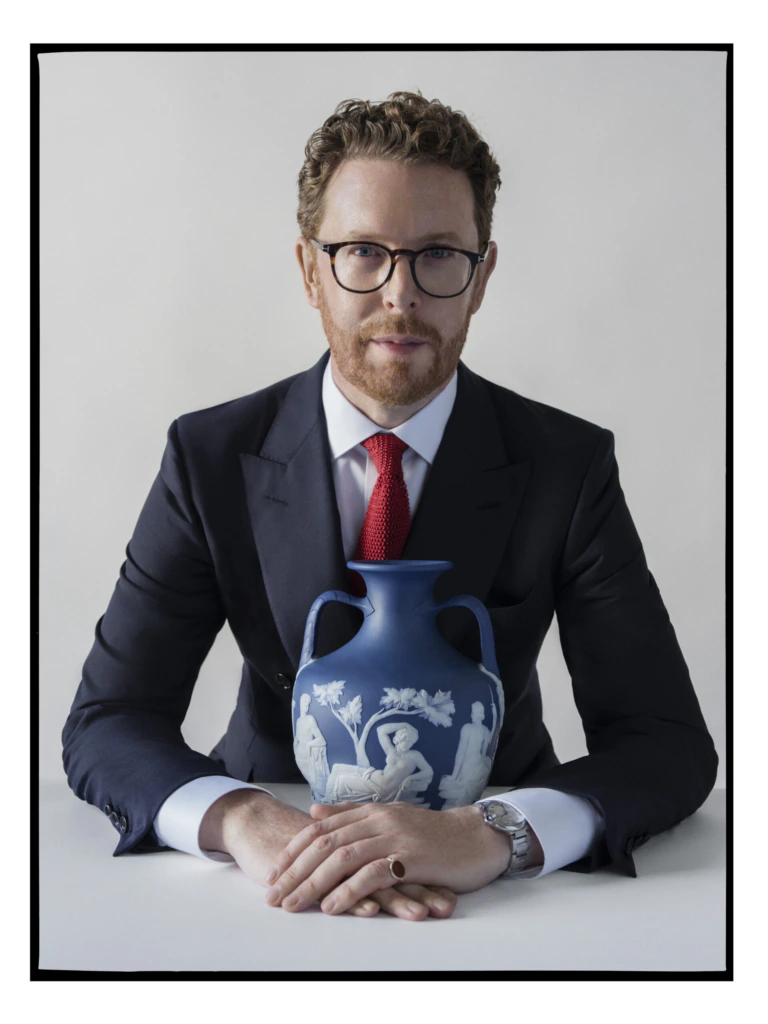
Partnership Galleries are a commitment to a space and place, and ensure the British Museum collection is accessible to audiences outside London. They are now located in Glasgow, Newcastle, Carlisle, York, Truro, Manchester, and in August, we launched our seventh – The Gallery of Medieval Life, at the newly redeveloped Norwich Castle.
Advertisement
This is the British Museum’s first medieval gallery outside of London, offering a unique opportunity to display medieval objects in a medieval setting.
It builds on our long-standing relationship with Norfolk Museums Service, and represents more than 25 years of close and productive partnership and collaboration between curators, conservators, researchers, technicians and many others.
The gallery brings together over 900 objects that illuminate five centuries of life in medieval England but also Europe, from the Norman Conquest to the reign of Henry VIII.
We are incredibly proud that more than 50 of these objects are on long-term loan from the British Museum. Many of these objects are on public display for the first time, and together they tell the intriguing story of life in this fascinating period of history.
Fittingly for a royal castle commissioned by William the Conqueror, a number of the British Museum objects on display have royal connections.
One of the most striking is the seal matrix (used to create wax seals) of King Henry V, created when he was still Prince of Wales. An image of chivalric might, it shows the future king in full armour, sword raised, and royal shield held high.
Advertisement
Another seal matrix comes from one of England’s most notorious rulers, Richard III, made when he was Duke of Gloucester and Admiral of England.
Then there is the tiny gold hawking vervel, a small ring used for identifying owners of a hawk. It is inscribed with the words “sum regis angliae” – “I belong to the King of England.”
The gallery also features some truly exquisite Gothic ivory carvings from the British Museum collection – pieces that speak to the tastes and entertainments of medieval nobility.
Thanks to the Portable Antiquities Scheme, remarkable recent discoveries made by local detectorists a few miles away now sit alongside these masterworks, connecting the present to the past in very real and very local ways.
These are not just historical objects – they are windows into the past, that show us the ambitions, beliefs, and inner worlds of the people who shaped our past and our present.
The transformation of Norwich Castle Keep is one of the most ambitious heritage projects in the country, and has been made possible through a grant of over £13 million from the National Lottery Heritage Fund, as well as funding from Norfolk County Council and other sources.
Advertisement
Now it is completed, it is one of the most accessible castles in the UK. From the new entrance and café to a glass walkway offering incredible views of the east façade, and the full reinstatement of the medieval floorplan, the result is immersive, imaginative, and incredibly authentic. The keep brings our medieval past to life not as a distant memory, but as a vivid, tangible world.
We are very proud to support this gallery not just through objects, but through curatorial collaboration, scientific analysis, and conservation expertise.
I pay tribute to all of those who have worked so hard to make it a reality. Since its reopening, Norwich Castle has attracted visitors from near and far, with more than 100,000 visitors in the three months since opening.
It is a truly exciting moment for the castle to be reopened, at a time of growing and sustained interest in medieval history.
Next year, the Bayeux Tapestry will return for the first time in almost a thousand years, and we look forward to working with Norwich Castle and partners across the country to ensure everyone can benefit from this extraordinary, once-in-a-lifetime loan.
Two years ago, we launched another groundbreaking Partnership Gallery – the award-winning South Asia Gallery at Manchester Museum, which is another example of what can be achieved when we work in partnership.
Described as a “watershed moment for the sector”, it is the first permanent gallery in the UK dedicated to the experiences and histories of South Asian diaspora communities.
Through these national partnerships, we want to create a positive impact for people and places across the UK. We are the custodians of a national collection, and I am committed to making it accessible to everyone.
Plans for our next Partnership Gallery are already underway, and we are ambitious in growing this network – so watch this space!
Nicholas Cullinan is the director of the British Museum
To find out more about the British Museum’s National Programme, visit the British Museum website or contact ukpartnerships@britishmuseum.org