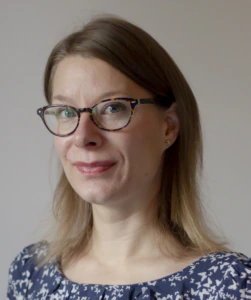
Jennie Morgan
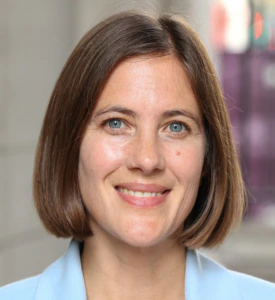
Anna Woodham
Museums are increasingly recognised as “relational” organisations, with relationships between them, the public and diverse communities forming the backbone of most aspects of practice. At the heart of this work is their staff, whose actions help shape the possibilities and, ultimately, the success of museums in building sustainable and resilient organisations.
Re-centring museums on relationships involves acknowledging an increasingly complex set of workplace competencies, including the use of emotional labour. This goes beyond simply experiencing emotions in the workplace towards considering how emotions are managed, used and even suppressed. It’s an important shift in focus because it helps us to recognise that the emotions felt by museum staff influence decisions, actions and even inactions.
We recently completed a pilot study, New Futures of Care: Investigating Emotionally Laden Museum Work, funded by the Royal Society Edinburgh. Through conversations with a range of museum professionals, the study confirmed our hypothesis that emotional labour occurs across incredibly diverse areas of museum work, from curatorial and conservation roles to front-of-house engagement and management. And there is little recognition of the unique emotional demands of these different roles.
One of the most significant gaps we identified is the lack of sector-wide evidence of the emotions experienced and used in museum work. This gap is problematic, as without this evidence, effective policies supporting the emotional wellbeing of those working in diverse roles and organisations will continue to lag.
The Museums Association has made valuable inroads seeking to understand wellbeing in the sector more generally, but this could be enhanced by understanding the full range of emotions experienced, and in what roles and contexts.
Advertisement
It is also crucial to understand the “feeling rules” that operate in the sector – unspoken norms dictating which emotions are deemed acceptable. If we are to make progress in acknowledging emotional labour as work – and to support this in ways that boost staff wellbeing – we must identify and critically examine the “emotional expectations”.
Our project also highlighted the importance of neurodivergent experiences. This draws attention to the fact that emotions are not universally experienced or used. Each person brings their own emotional context to their work.
This diversity of emotional experience reinforces a more nuanced understanding of what emotional labour looks like in museums and how it can be effectively supported.
As museums confront institutional legacies and take on global challenges, there is more need for an emotionally attuned workforce capable of navigating these demands. Without a workforce that is equipped to handle the emotional weight of this relational work, museums will struggle to effectively engage with these pressing issues.
We need wider recognition that the emotional wellbeing of the museum workforce is not a side issue. It is central to the success and relevance of museums. Only by understanding and supporting the emotional complexities of museum staff can we hope to create organisations capable of navigating the challenges ahead.