Blackburn is not necessarily the first place you would think of when you hear the term “cultural renaissance”, being more associated with our industrial past, as a town built on cotton and other industries long gone.
However, the town is literally remaking itself, from the inside out, as a centre of the UK’s resurgent creative making movement, drawing on its strong heritage of innovation and manufacturing to reinvent itself.
It is about reclaiming and building on the heritage, communities, civic and cultural buildings, and a creative spirit that didn’t stop dead with the closure of the mills and decline of industry but continued to influence the punk, northern soul and acid house movements in the 1970s, 1980s and 1990s.
From this DNA, the town has carved out a new cultural identity that connects its rich history of weaving, textiles and trade with a reimagined future, repurposed for a rapidly changing society.
This is not a quick fix, but an evolution that began more than 10 years ago when the council declared “Blackburn is Open” and embedded culture as part of its manifesto for a new approach to our town. Blackburn with Darwen made a decision to open doors, facilitate activity and reduce barriers to cultural programming across the borough – and, most importantly of all, just started saying “yes”.
This new attitude is reflected in the way the cultural ecology has grown with a supportive and collaborative approach at its centre, enabling and facilitating cultural change. It is why we have gone from one of the most under-resourced cultural sectors in the country to one with four Arts Council England National Portfolio Organisations: National Festival of Making, British Textile Biennial, Culturapedia and Blackburn Museum and Art Gallery.
Advertisement
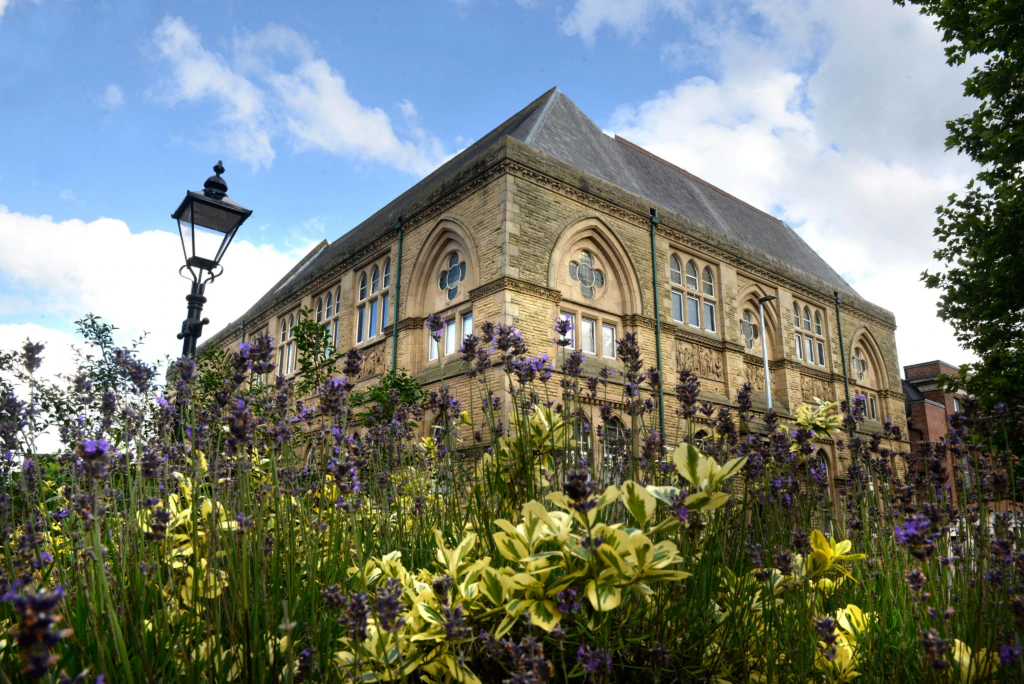
The museum, which last year celebrated its 150th anniversary, was one of the first purpose-built museums outside of London and is a tribute to the Blackburn of that time. It houses collections of manuscripts, coins and Japanese prints, as well as industrial technology, and has also opened its doors to wider community collaboration.
A museum is more than its collections, so we refocused our attention to prioritise people – the famous, ordinary, Indigenous and newly migrated – to reveal the history of the objects. The stories intertwine with those of the collections to create a narrative that tells of how we all came to this place – and it is those tales we are embracing.
People and partnerships are key in reimagining the town and the museum’s future, beautifully illustrated by artist Jamie Holman who hosted the Tribute exhibition as part of the anniversary commemorations. By working with artists and creatives to explore our industrial and textile collections, we start to reinterpret a diverse range of narrative threads including slavery, voices of mill workers, migration from India and Pakistan, and the ravers and illegal dance culture of the 1990s.
Liaising with creatives and partners on the redisplay of the collection is expanding the narrative of the town, from one worn down by industry to a place of compassion, creativity and collaboration.
A recent illustration of this is our work with National Festival of Making and artist Nehal Aamir, in residence at the Darwen Terracotta and Faience factory, using a museum collection for inspiration. The resulting work, Infinite Hands, a ceramic tapestry that we installed in the museum alongside collections including manuscripts and icons, tells a story that interweaves the history of terracotta, a spirit of collaboration and Blackburn’s vibrant culture with tenderness, honouring the people and place.
Rebecca Johnson is the arts and heritage manager at Blackburn with Darwen Borough Council