Dear Dhikshana:
Investment in learning staff and facilities has increased our capacity to deliver programmes to 200,000 participants a year, with a greater focus on digital. In the current phase, we expanded our reach through working with partner museums across Scotland. We have a solid foundation, but we can’t stand still.
Best wishes, Stephen
Dear Stephen:
We can’t stand still – those that work in learning and engagement rarely do. It sounds an exciting time at the National Museum of Scotland: the move to learning and engagement being more central, and investing in them, is great to hear. However, the journey to get here has been long, with many steps backwards as well as forwards.
Demands on learning professionals are ever more pressurised, as we work to engage with all audiences. Yet while their workloads are increasing, they are still paid significantly less and not given the same respect as other departments. As we think about the future of museum learning and engagement, we need to think about the future of museum learning and engagement professionals as well.
Best wishes, Dhikshana Dear Dhikshana:
Context is everything, and National Museums Scotland has been comparatively well supported by our key funders, particularly the Scottish government and Heritage Lottery Fund.
However, I do recognise that more demands – and increased expectations – are being made of learning staff, as we are asked to find new ways of engaging a wider range of audiences and communities. For example, we have increased our informal “social learning” events and renewed the emphasis on Stem and on digital resources. New approaches often need new skills and an investment in training.
Best wishes, Stephen
Dear Stephen:
Upskilling and training is needed, but this should be for all staff across an organisation, so that learning and engagement is at the core. The move to the informal is key: it is important to reach those who do not engage, and to give them the context that learning is not just about schools.
But even when we do look at our schools programmes, we need to be braver and more radical in not being constrained by curriculums. We should be readying young people to be active members of society and allowing their voices to be heard. Best wishes, Dhikshana
Dear Dhikshana:
I agree that learning and engagement need to be embedded, and that means commitment from colleagues. That is not always easy when balancing what can be seen as competing demands – research, collections care and so on – so being clear about the wider impact and benefits for our visitors is vital.
While I see our teams as being vanguards in engaging people with our collections and places – especially those who don’t think of museums as places for them – it isn’t just learning specialists who can make the difference. Learning is for all: the staff and communities we serve alike.
Best wishes, Stephen Dear Stephen:
You’re right in saying that learning specialists are not the only ones to make a difference and all staff have to be committed, and so it should be at the core of our missions and in everyone’s job description.
Learning is for all, and to really engage and represent our communities, we need to go to them. Let’s take the informal events and hold them outside of our buildings, but inside our communities.
Best wishes, Dhikshana
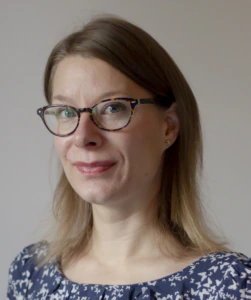
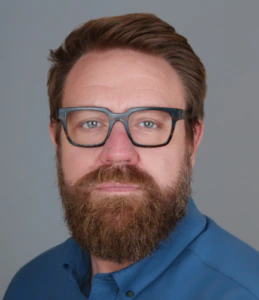
Stephen Allen is the head of learning and programmes at National Museums Scotland Dhikshana Pering is the young people’s producer for Brent, the London Borough of Culture 2020
The Museums Association is holding a one-day conference, Future of Museums: Learning and Engagement, on 27 March at the National Museum of Scotland, Edinburgh