Dear David:
Cornwall is a land of museums. We have more than 70, 32 of which are Accredited - the most of any region. Yet who knows about all the work we do for our communities and for the millions of visitors that flock here every year? Where are the Cornish case studies in national reports? This exclusion is systemic - and it is not limited to the museum sector. Even though the Cornish were officially recognised by the UK government as a national minority in 2014 - equal with the Irish, Scots and Welsh - there is no Cornish tick box on the census.
Oll an gwella, Tehmina
Dear Tehmina:
It sometimes appears that Hadrian's Wall and its modern counterpart, the M25, are still managing to hold back the many small, independent museums in Scotland that are often excluded in UK national programmes. There can be no doubt that the devolved political structure in Scotland gives some advantages - our national development body and eagerly awaited new culture strategy, for example - but on a UK level, we struggle to have our collective voice listened to. We have sector-leading projects that struggle to get the recognition and plaudits they deserve across the border. How do the museums "frae a' the airts" shout loud enough to be heard over the noise of the M25?
Best wishes, David
Dear David:
There is sector-wide institutional bias towards museums within the M25 and those of big cities as the source of best practice and having collections more worthy of funding, saving and sharing. As in other modern Celtic nations, our small museums, especially in largely rural contexts, have encouraged better collaboration, more inventiveness and a renewed sense of purpose. Take the reinvention of Cornwall Museums Strategy: from 48-page document to 26-card pack, with a human-focused design.
Oll an gwella, Tehmina
Dear Tehmina:
The more we work together the better, at a local, regional and national level. But there is a particular need for the Celtic collective to find ways to work together. Strategies, however slimlined, must be aligned, and we must ensure we are represented at the highest levels, and to make sure the good work we all do is acknowledged, showcased and highlighted. But this all costs resources - people and finances - that few in the regions can afford. Who is going to support this with the necessary resources: us, the Museums Association, the Association of Independent Museums, development bodies?
Best wishes, David
Oll an gwella, Tehmina
Dear Tehmina:
Best wishes, David
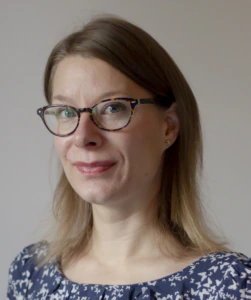
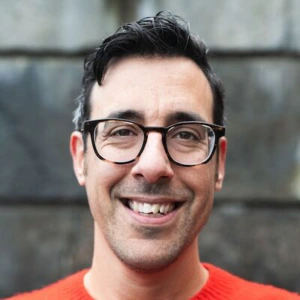
Tehmina Goskar is a consultant curator based in Penzance, Cornwall. David Mann is the director of the Scottish Maritime Museum, Irvine
Tehmina Goskar and David Mann will be speaking at the Museums Association Conference & Exhibition in Belfast, 8-10 November, in a session called Celtic Knot: Redefining British Identities
Cornwall is a land of museums. We have more than 70, 32 of which are Accredited - the most of any region. Yet who knows about all the work we do for our communities and for the millions of visitors that flock here every year? Where are the Cornish case studies in national reports? This exclusion is systemic - and it is not limited to the museum sector. Even though the Cornish were officially recognised by the UK government as a national minority in 2014 - equal with the Irish, Scots and Welsh - there is no Cornish tick box on the census.
Oll an gwella, Tehmina
Dear Tehmina:
It sometimes appears that Hadrian's Wall and its modern counterpart, the M25, are still managing to hold back the many small, independent museums in Scotland that are often excluded in UK national programmes. There can be no doubt that the devolved political structure in Scotland gives some advantages - our national development body and eagerly awaited new culture strategy, for example - but on a UK level, we struggle to have our collective voice listened to. We have sector-leading projects that struggle to get the recognition and plaudits they deserve across the border. How do the museums "frae a' the airts" shout loud enough to be heard over the noise of the M25?
Best wishes, David
Dear David:
There is sector-wide institutional bias towards museums within the M25 and those of big cities as the source of best practice and having collections more worthy of funding, saving and sharing. As in other modern Celtic nations, our small museums, especially in largely rural contexts, have encouraged better collaboration, more inventiveness and a renewed sense of purpose. Take the reinvention of Cornwall Museums Strategy: from 48-page document to 26-card pack, with a human-focused design.
Oll an gwella, Tehmina
Dear Tehmina:
The more we work together the better, at a local, regional and national level. But there is a particular need for the Celtic collective to find ways to work together. Strategies, however slimlined, must be aligned, and we must ensure we are represented at the highest levels, and to make sure the good work we all do is acknowledged, showcased and highlighted. But this all costs resources - people and finances - that few in the regions can afford. Who is going to support this with the necessary resources: us, the Museums Association, the Association of Independent Museums, development bodies?
Best wishes, David
Dear David:
We need to build alliances between and within the modern Celtic nations, so our voices are louder. The national agencies have a duty to more accurately represent us and our work, but I don't believe this is a resource issue. It is more about emphasis and nuance.
Our museums need to take on some responsibility for promoting the multiplicity of British identities. What about Celtic diversity? We don't talk about that - well at least not yet, but we will after our Celtic Knot session at the Museums Association Conference in Belfast next month.
Oll an gwella, Tehmina
Dear Tehmina:
There can be no doubt that we are stronger together and that we need the national agencies to nurture, support and listen to us. But one of the reasons the larger institutions dominate is that they shout loudest. So, we have two options: ask them to be a little quieter or up our own game and shout louder.
The former is unlikely and the latter will require some resources and leadership to allow us to raise our voice and maintain it at that amplified level. Even if this is not successful, hopefully more people will be aware of the excellent work undertaken by the diverse Celtic Knot museums that struggle with limited resources and support.
Best wishes, David
Tehmina Goskar is a consultant curator based in Penzance, Cornwall. David Mann is the director of the Scottish Maritime Museum, Irvine
Tehmina Goskar and David Mann will be speaking at the Museums Association Conference & Exhibition in Belfast, 8-10 November, in a session called Celtic Knot: Redefining British Identities