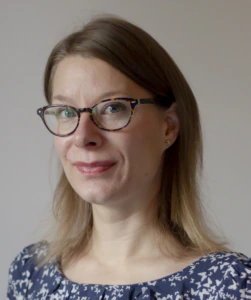
Rachael Minott, research assistant, Birmingham Museums Trust
“The future of co-curation starts with an acknowledgement that singular gatekeepers of knowledge lead to singular narratives. Collaboration, consultation and co-curation are vital for museum survival. That necessity must be reflected in budgets that will allocate fair pay for these contributions, moving away from hierarchies that say museum workers are essential and ‘community’ contributors are enrichment. Staff will need to be equipped with the tools to host creative conversations, and to share their specialist knowledge, creating incentivised and equipped gatekeepers.”
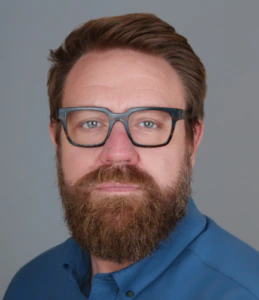
David Jubb, Artistic director and chief executive, Battersea Arts Centre
“If curating is about caring for things, and making meaning from them, then co-curating is about working in partnership to achieve the same goal. A more exciting future for co-curation might be to look beyond the idea of exhibiting things.
What if we co-curated a renewed sense of purpose for a museum? How can a museum take the essence of what it does, and the values that it represents, to support the interests and desires of its community? This will mean sharing more power and resources than the choice of what goes in an exhibition.”
Jen Kavanagh, freelance curator and oral historian
“Our world is changing faster than museums can keep up. Co-curation will be essential in ensuring we capture important stories and objects. Immersed, engaged and well-connected community curators will help document untold histories as they develop. Museums can empower non-heritage professionals to be upskilled in collecting practice and find the voices that need to be heard. Creative approaches to working with diverse people in a collaborative way will lead to exciting and surprising new collections, helping to refresh collecting practice.”
Adam Corsini, Archaeology collections manager, Museum of London
“Co-curation has a strong foundation of years of exemplary community engagement work, but is now at a point where those experiences can be used to create some powerful stuff. Rather than trying to engage specific demographics, co-curation has the ability to bring a mixture of people together to create their own ‘museum community’. By involving people at all levels, hearing new voices, opening up to new interpretations and attitudes, and challenging traditional curation, the outputs can engage audiences with a new way of thinking.”
“The future of co-curation starts with an acknowledgement that singular gatekeepers of knowledge lead to singular narratives. Collaboration, consultation and co-curation are vital for museum survival. That necessity must be reflected in budgets that will allocate fair pay for these contributions, moving away from hierarchies that say museum workers are essential and ‘community’ contributors are enrichment. Staff will need to be equipped with the tools to host creative conversations, and to share their specialist knowledge, creating incentivised and equipped gatekeepers.”
David Jubb, Artistic director and chief executive, Battersea Arts Centre
“If curating is about caring for things, and making meaning from them, then co-curating is about working in partnership to achieve the same goal. A more exciting future for co-curation might be to look beyond the idea of exhibiting things.
What if we co-curated a renewed sense of purpose for a museum? How can a museum take the essence of what it does, and the values that it represents, to support the interests and desires of its community? This will mean sharing more power and resources than the choice of what goes in an exhibition.”
Jen Kavanagh, freelance curator and oral historian
“Our world is changing faster than museums can keep up. Co-curation will be essential in ensuring we capture important stories and objects. Immersed, engaged and well-connected community curators will help document untold histories as they develop. Museums can empower non-heritage professionals to be upskilled in collecting practice and find the voices that need to be heard. Creative approaches to working with diverse people in a collaborative way will lead to exciting and surprising new collections, helping to refresh collecting practice.”
Adam Corsini, Archaeology collections manager, Museum of London
“Co-curation has a strong foundation of years of exemplary community engagement work, but is now at a point where those experiences can be used to create some powerful stuff. Rather than trying to engage specific demographics, co-curation has the ability to bring a mixture of people together to create their own ‘museum community’. By involving people at all levels, hearing new voices, opening up to new interpretations and attitudes, and challenging traditional curation, the outputs can engage audiences with a new way of thinking.”