Dear Tony: My life balance has an impact on my work. When it’s right, I am more committed, creative and productive. The Character Matters report shows that our skilled and talented museum workforce is feeling under pressure. Of course, life balance means something different for everyone; for me, it’s about work being in balance with family life. I have a flexible working pattern – full-time but compacted hours. On my shorter working day, I can take my kids to school, and pick them up. I’d like more museums to proactively offer flexible working patterns for all staff. Best wishes, Liz
Dear Liz: There’s nothing stopping museums from offering more flexibility – and many do (like mine). I work away from home during the week and truncate my hours on the bookend days, with the consent of my team. But the pressure many people feel is part of a wider cultural problem with work in the UK. There is a leadership culture of presenteeism, which staff feel compelled to follow. We equate success with “more” rather than “good”. And despite long hours, there is low productivity. The rigours of running a large organisation seem incompatible with bringing up a family, often brought on by the demands of board members who worked in a different age. Best wishes, Tony
Dear Tony: I applaud you living the principle in real life as a leader of your organisation. What could we do to encourage more leaders to do the same, and governing bodies to support them? Until we start talking about it, we will make no progress. Nor does this issue affect only working parents – everyone has external factors in their life, from other caring duties to community roles, that are hard to balance with a traditional working week. Flexible working is about enabling people to bring their best selves to work because they can plan a working day that allows them to contribute their best, in the most suitable way for them and the needs of the organisation. Surely this is a win- win? Best wishes, Liz
Dear Liz: Despite a plethora of leadership programmes, the heroic leader model is still sadly the norm. I’d like to see a more distributed model, which might mean flatter salaries and management structure. This would give more flexibility and balance for people and organisations, and provide far more professional development opportunities. We also have to challenge the assumption that life balance is just about family life. Giving people the space to participate in community activity is also likely to make them better at their job. Productivity is vastly improved if people can refresh and extend their curiosity. Best wishes, Tony
Dear Tony: I like the concept of diversifying working behaviour and management structures; organisations would surely become more inclusive as a result, enabling talent to thrive. I’m most productive when I’m being managed by outcome, not by time – and being trusted to deliver. We need to think about the impact of digital on our work/life balance, too. Greater connectivity has given us flexibility but also blurred the lines between work and the rest of life. How can we harness that without expecting people to be always “on”? Best wishes, Liz
Dear Liz: I am guilty of digital presenteeism. It suits my life balance but I would not expect it of others. Connectivity encourages homeworking, flexible hours and more outcome-focused work. However, we have to acknowledge that flexibility must go across the board to accommodate those whose role is to be present, such as visitor services teams. Trust in others and a good life balance improves health and productivity for any organisation. Happy Museum principles around wellbeing provide a good framework and something for my team to hold me to. You’d have to ask my team if they think the balance is right. Best wishes, Tony
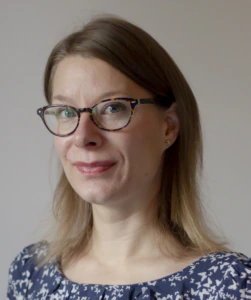
Liz Johnson is the senior manager, Museums Review, at Arts Council England
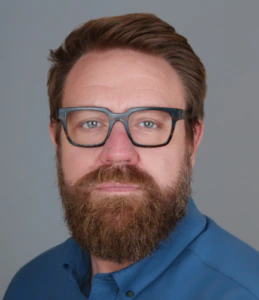
Tony Butler is the executive director of Derby Museums
Dear Liz: There’s nothing stopping museums from offering more flexibility – and many do (like mine). I work away from home during the week and truncate my hours on the bookend days, with the consent of my team. But the pressure many people feel is part of a wider cultural problem with work in the UK. There is a leadership culture of presenteeism, which staff feel compelled to follow. We equate success with “more” rather than “good”. And despite long hours, there is low productivity. The rigours of running a large organisation seem incompatible with bringing up a family, often brought on by the demands of board members who worked in a different age. Best wishes, Tony
Dear Tony: I applaud you living the principle in real life as a leader of your organisation. What could we do to encourage more leaders to do the same, and governing bodies to support them? Until we start talking about it, we will make no progress. Nor does this issue affect only working parents – everyone has external factors in their life, from other caring duties to community roles, that are hard to balance with a traditional working week. Flexible working is about enabling people to bring their best selves to work because they can plan a working day that allows them to contribute their best, in the most suitable way for them and the needs of the organisation. Surely this is a win- win? Best wishes, Liz
Dear Liz: Despite a plethora of leadership programmes, the heroic leader model is still sadly the norm. I’d like to see a more distributed model, which might mean flatter salaries and management structure. This would give more flexibility and balance for people and organisations, and provide far more professional development opportunities. We also have to challenge the assumption that life balance is just about family life. Giving people the space to participate in community activity is also likely to make them better at their job. Productivity is vastly improved if people can refresh and extend their curiosity. Best wishes, Tony
Dear Tony: I like the concept of diversifying working behaviour and management structures; organisations would surely become more inclusive as a result, enabling talent to thrive. I’m most productive when I’m being managed by outcome, not by time – and being trusted to deliver. We need to think about the impact of digital on our work/life balance, too. Greater connectivity has given us flexibility but also blurred the lines between work and the rest of life. How can we harness that without expecting people to be always “on”? Best wishes, Liz
Dear Liz: I am guilty of digital presenteeism. It suits my life balance but I would not expect it of others. Connectivity encourages homeworking, flexible hours and more outcome-focused work. However, we have to acknowledge that flexibility must go across the board to accommodate those whose role is to be present, such as visitor services teams. Trust in others and a good life balance improves health and productivity for any organisation. Happy Museum principles around wellbeing provide a good framework and something for my team to hold me to. You’d have to ask my team if they think the balance is right. Best wishes, Tony
Liz Johnson is the senior manager, Museums Review, at Arts Council England
Tony Butler is the executive director of Derby Museums