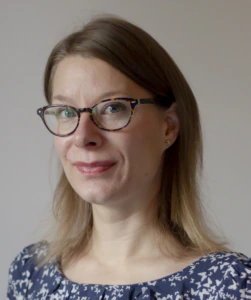
Catherine Holden, independent cultural consultant
“All hail the village elder, or the brilliant boss, inspiring teacher, best mate. Inspiring individuals are invaluable, and it’s a gift to explore thinking with someone interesting and independent. Stepping away from the relentless to-do list lets us think further and wider, testing ideas in a supportive and constructive way. That’s good for organisations’ strategic development and for personal growth – plus a great antidote to the online echo chamber. Well-run mentoring programmes help people feel valued and reflect wisely, building talent for the future.”
Tamsin Russell, Professional development officer, Museums Association
“Mentoring creates protected time and space for reflection – a real luxury in our fast-paced, changeable work environment. It facilitates access to experience, networks and insights. It does this in a way that is both individualistic and person-centred rather than mass ‘sheep dips’ in training. It also enables those that have already been ‘dipped’ to think about previous content and apply it appropriately to current contexts and challenges. Mentoring is the perfect mirror; the focusing spotlight; the uncomfortable challenge housed within a nurturing safety net for growth.”
Becky Cund, Director of HR & Administration, Shakespeare Birthplace Trust
“Effective mentoring in the workplace has significant benefits for the employee, the employer and the mentor. In order to ensure that everyone benefits it is essential that the partnering is right. If it is, the employee benefits from someone who can guide and support them in elements of their job role, behaviours and skills; the employer sees an improvement in productivity, accuracy and motivation and it is clear to staff that they are investing in their workforce. And it helps the confidence, communication and listening skills of the mentor. ”
Steve Miller, head, Norfolk Museums Service
“I like to think that the sector does most things pretty well, but I’ve always thought that in the area of professional development we excel. At the heart of many of the best development programmes, including the AMA and the new Transformers scheme, is the concept of mentoring. Whether as part of the AMA or within another structured programme, mentoring is vital to the long-term success of the museum sector. The true magic of mentoring, however, is that it is a mutually beneficial experience – just ask anyone who has ever tried it.
“All hail the village elder, or the brilliant boss, inspiring teacher, best mate. Inspiring individuals are invaluable, and it’s a gift to explore thinking with someone interesting and independent. Stepping away from the relentless to-do list lets us think further and wider, testing ideas in a supportive and constructive way. That’s good for organisations’ strategic development and for personal growth – plus a great antidote to the online echo chamber. Well-run mentoring programmes help people feel valued and reflect wisely, building talent for the future.”
Tamsin Russell, Professional development officer, Museums Association
“Mentoring creates protected time and space for reflection – a real luxury in our fast-paced, changeable work environment. It facilitates access to experience, networks and insights. It does this in a way that is both individualistic and person-centred rather than mass ‘sheep dips’ in training. It also enables those that have already been ‘dipped’ to think about previous content and apply it appropriately to current contexts and challenges. Mentoring is the perfect mirror; the focusing spotlight; the uncomfortable challenge housed within a nurturing safety net for growth.”
Becky Cund, Director of HR & Administration, Shakespeare Birthplace Trust
“Effective mentoring in the workplace has significant benefits for the employee, the employer and the mentor. In order to ensure that everyone benefits it is essential that the partnering is right. If it is, the employee benefits from someone who can guide and support them in elements of their job role, behaviours and skills; the employer sees an improvement in productivity, accuracy and motivation and it is clear to staff that they are investing in their workforce. And it helps the confidence, communication and listening skills of the mentor. ”
Steve Miller, head, Norfolk Museums Service
“I like to think that the sector does most things pretty well, but I’ve always thought that in the area of professional development we excel. At the heart of many of the best development programmes, including the AMA and the new Transformers scheme, is the concept of mentoring. Whether as part of the AMA or within another structured programme, mentoring is vital to the long-term success of the museum sector. The true magic of mentoring, however, is that it is a mutually beneficial experience – just ask anyone who has ever tried it.